How Long Does an NC Straightener Feeder Last?
- Share
- publisher
- David Park - Senior Stamping Engineer, FANTY Machinery
- Issue Time
- Aug 13,2026
Summary
Learn how long an NC Straightener Feeder lasts with proper care. Explore the 3-in-1 decoiler straightener feeder lifespan, maintenance schedules and replacement signals from FANTY.
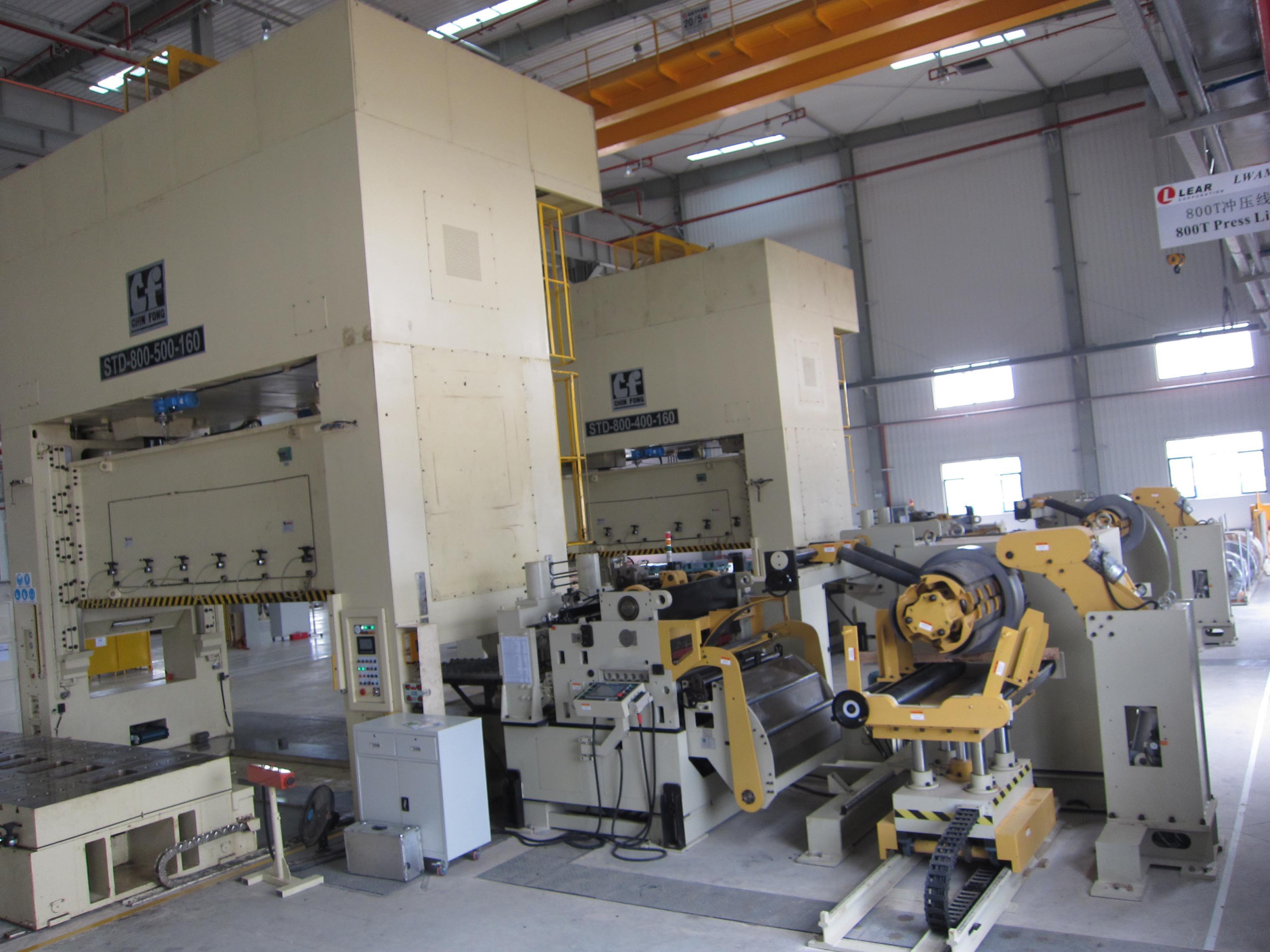
How long does an NC Straightener Feeder last? This is one of the first questions serious stamping buyers ask before investing in a 3-in-1 decoiler straightener feeder.
The honest answer, based on twelve years of building coil feeding equipment at FANTY Machinery, is that a well-built NC Straightener Feeder will comfortably deliver ten to fifteen years of daily production, and many machines in the field are still running past their twentieth year.
The real variable is not the steel frame or the servo drive, which are built to outlast most press lines, but how the machine is maintained, how it is operated, and how honestly the supplier rates its components.
This guide walks through every factor that determines feeder lifespan, what a realistic maintenance schedule looks like, and the warning signs that tell you a replacement or upgrade is finally due.
What Determines the Lifespan of an NC Straightener Feeder?
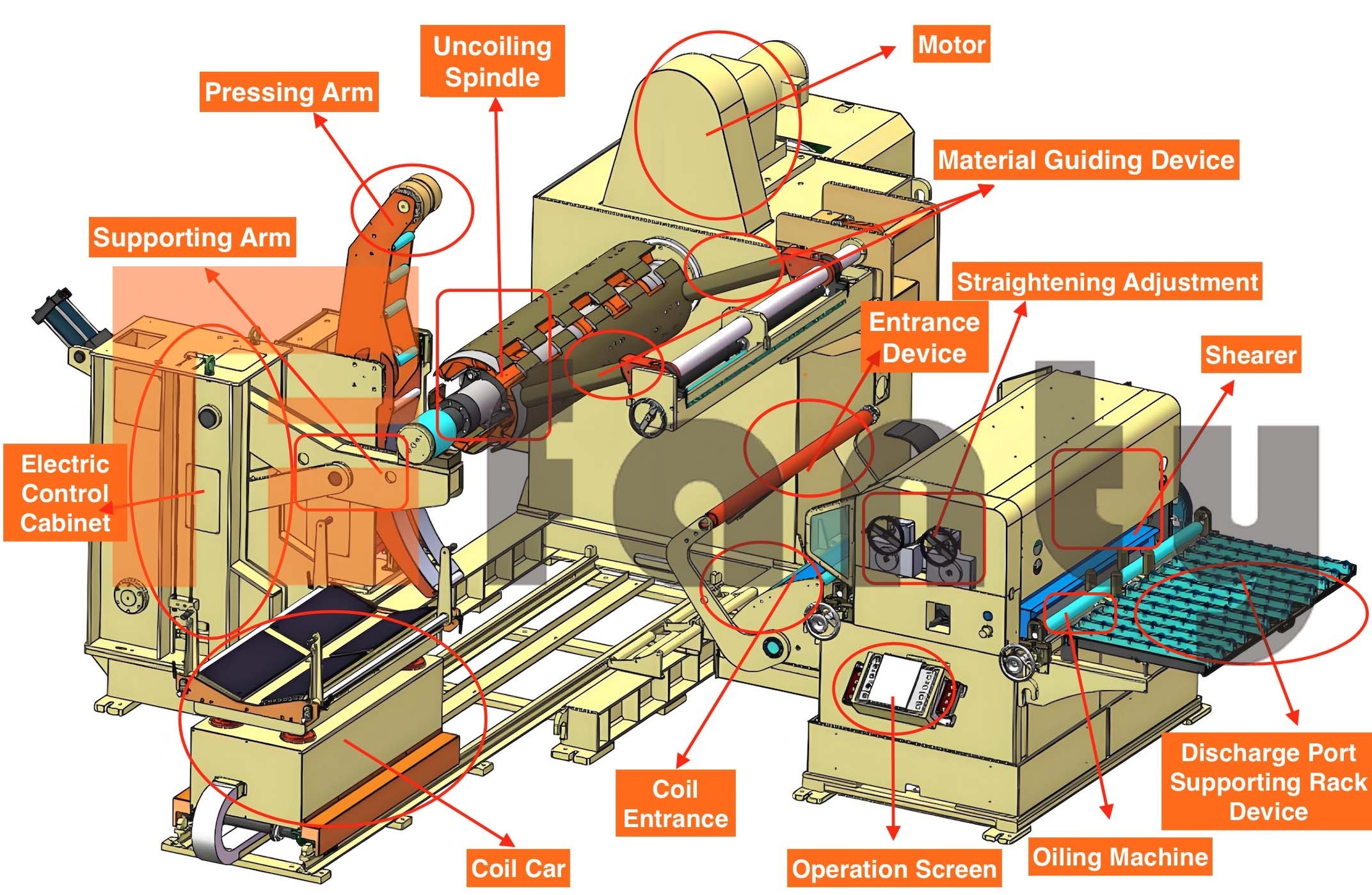
An NC Straightener Feeder is not a single machine but a tightly coupled system: a coil cradle or decoiler, a straightener with banks of work rolls, a servo-driven feed mechanism, and a control cabinet that coordinates all of them.
The frame and structural members are the least of your worries. A properly stress-relieved and machined frame, which is standard in FANTY's 45,000 square metre factory, will hold its geometry for decades.
The straightener rolls, made of hardened alloy steel with precision-ground surfaces, typically need re-grinding after several years of heavy use but are designed to be reconditioned rather than replaced.
The servo motor and planetary gearbox are rated for continuous duty and, with clean power and correct lubrication, routinely exceed ten years of two-shift operation.
The components that actually determine service life are the wear items: pneumatic cylinders and seals, hydraulic hoses and pumps on the decoiler side, guide rollers and bearings, and the electronic components inside the control cabinet.
Bearings on the decoiler drum and straightener roll shafts are typically the first to show fatigue, especially when coil weights run close to the machine's maximum rating.
Electronics age by hours of operation and ambient temperature more than by calendar time, which is why a clean, ventilated control cabinet is not a luxury.
Operating conditions matter more than most buyers expect. A feeder running 200 SPM on thin aluminium strip in an air-conditioned shop will age very differently from the same model feeding 4 mm steel in a hot, dusty environment. Duty cycle, coil weight relative to rating, and the frequency of die changes all feed into the real service life of the machine.
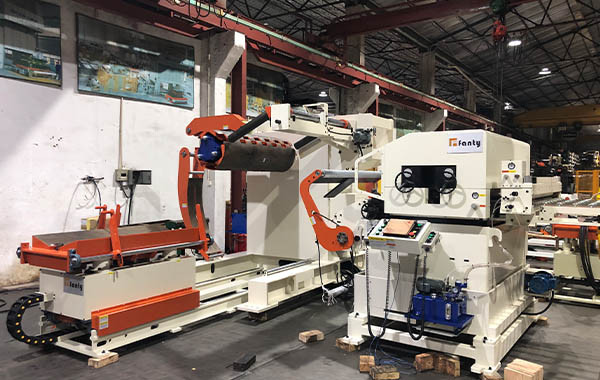
Integrated 3-in-1 Design vs Separate Units: Which Lasts Longer?
Buyers frequently ask whether a 3-in-1 decoiler straightener feeder lasts as long as a line built from separate decoiler, straightener and feeder units.
- One machined base keeps roll and feed alignment permanent, reducing premature bearing wear.
- Fewer interconnecting cables and air lines mean fewer failure points over the machine's life.
- Integrated guarding and CE-certified safety circuits simplify inspection and stay compliant for years.
- One supplier owns the whole line, so spare parts and engineering support remain consistent for 15 years.
- Shorter strip path reduces threading accidents that can dent rolls and bend feed components.
That said, a separate line has one genuine advantage: you can replace a worn decoiler without touching the feeder.
Expected Service Life by Major Component
| Component | Expected Life | Key Influencing Factors | End-of-Life Signal |
|---|---|---|---|
| Frame and base structure | 20+ years | Stress relief, machining quality | Cracks or weld fatigue after severe overload |
| Straightener work rolls | 5-10 years between re-grinds | Coil surface condition, roll material | Visible scoring, loss of flatness |
| Servo motor and gearbox | 10-15 years | Clean power, lubrication, duty cycle | Feed position drift, rising temperature |
| Decoiler bearings and drum | 8-12 years | Coil weight vs rating, load balance | Runout, rumble noise, uneven payout |
| Hydraulic pump, hoses and seals | 5-8 years | Oil condition, temperature, pressure spikes | Leaks, slow clamping, pressure drop |
| Pneumatic cylinders and valves | 6-10 years | Air quality, lubrication, cycle count | Sticking, air leaks, erratic motion |
| Control cabinet electronics | 10-15 years | Ambient temperature, dust, power stability | Intermittent alarms, corrupted parameters |
| Guide rollers and feed rolls | 4-7 years | Material hardness, surface debris | Grooving, slipping, dimensional drift |
The Maintenance Schedule That Keeps a Feeder Alive for 15 Years
Lifespan is largely a maintenance story, and the good news is that the schedule is simple. A daily walk-around that takes ten minutes catches 80 percent of developing problems before they become failures. Operators should check for oil leaks under the decoiler, unusual noise from the straightener, loose fasteners, and any discoloration on servo cables that would indicate overheating.
Weekly tasks cover lubrication. Grease the straightener roll bearings and guide roll spindles according to the lubrication chart, and check the oil level in the gearbox and hydraulic reservoir.
Monthly, inspect the air preparation unit for water, clean the filter element, and verify that all safety guards and interlocks still function. Every six months, check belt tension, tighten electrical terminations in the cabinet, and inspect hoses for cracking or chafing.
An annual service by the supplier's technician, including roll run-out measurement and a full parameter backup, is the single best investment you can make in machine life.
Beyond the calendar, pay attention to operating habits. Never run the machine past its rated coil weight "just this once", because overloads accumulate in bearings that cannot be visually inspected.
Keep the strip path free of debris and lubricant overspray, and store spare rolls and hoses properly so they do not corrode on the shelf.
FANTY's 80+ R&D engineers design these machines so that every wear item can be replaced in a single shift, which is why our installed base of more than 200 active lines includes many machines still running after a decade and a half.
Warning Signs That an NC Straightener Feeder Needs Replacement or Upgrade
Even with perfect maintenance, every machine eventually reaches its economic end of life. The signal is not the machine stopping, because a well-built feeder rarely stops completely; it is the slow rise in cost per good part.
When feed accuracy drifts outside the ±0.05 mm tolerance even after recalibration, when spare parts start taking weeks to source, or when downtime for repairs begins to exceed one shift per month, the feeder is no longer earning its keep.
Replacement is also worth considering when your production requirements have outgrown the machine.
If you have moved to thicker material, heavier coils, or faster press speeds than the original specification, an upgrade to a newer NC Straightener Feeder with a larger servo drive and updated control can pay for itself through lower scrap and higher output.
A sensible rule used by many FANTY customers is to run a full cost comparison once the machine reaches ten years: the capital cost of a new feeder, divided by the reduction in scrap, maintenance and downtime, usually shows a payback of two to three years, after which the new machine is effectively free.
When you do replace, buy from a supplier with real longevity of its own. A company like FANTY with 12 years of continuous manufacturing, 370 employees and exports to more than 60 countries can guarantee that documentation, parameters and spare parts will still be available in a decade, which is exactly the horizon your new investment needs to cover.
Frequently Asked Questions
How many years can an NC Straightener Feeder realistically last?
With regular maintenance, 10-15 years of two-shift production is a realistic expectation, and lighter-duty installations frequently reach 20 years. The frame and servo system are engineered to outlast most press lines; wear items such as bearings, seals and hoses are designed to be replaced on a schedule.
Which components wear out first on a 3-in-1 decoiler straightener feeder?
Decoiler bearings and straightener guide roll bearings are typically first, especially when coils run close to the machine's maximum rated weight. Hydraulic hoses and pneumatic seals follow. None of these are expensive, and all are designed for single-shift replacement.
Does running at maximum capacity reduce feeder life?
Yes. Operating continuously at or above rated coil weight accelerates bearing and structural fatigue disproportionately. Most FANTY machines are specified for a real duty cycle, and leaving a 15-20 percent margin in coil weight extends bearing life significantly.
When should I replace my NC Straightener Feeder instead of repairing it?
When feed accuracy can no longer be restored to ±0.05 mm, when spare parts take weeks to source, or when repair downtime exceeds roughly one shift per month, replacement usually makes economic sense. A payback analysis after ten years of service will almost always favour a new machine.
Related reading
- what import cost to expect
- how much floor space a coil line needs
- what each specification line really costs
Part of the the coil line guide library — the full library of coil handling, straightening and feeding guides from FANTY.
Ready to invest in an NC Straightener Feeder that lasts?
FANTY builds 3-in-1 decoiler straightener feeder lines engineered for 15 years of daily production, with CE certification, ±0.05 mm accuracy and 200 SPM capability. Get a specification matched to your coil size and press speed today.
Send Inquiry to FANTY