How to Automate a Sheet Metal Stamping Line for Maximum Efficiency?
- Share
- publisher
- David Park, Senior Stamping Engineer at FANTY Machinery
- Issue Time
- Jul 29,2026
Summary
Step-by-step guide to automating a sheet metal stamping line. Equipment, integration, and ROI from FANTY.
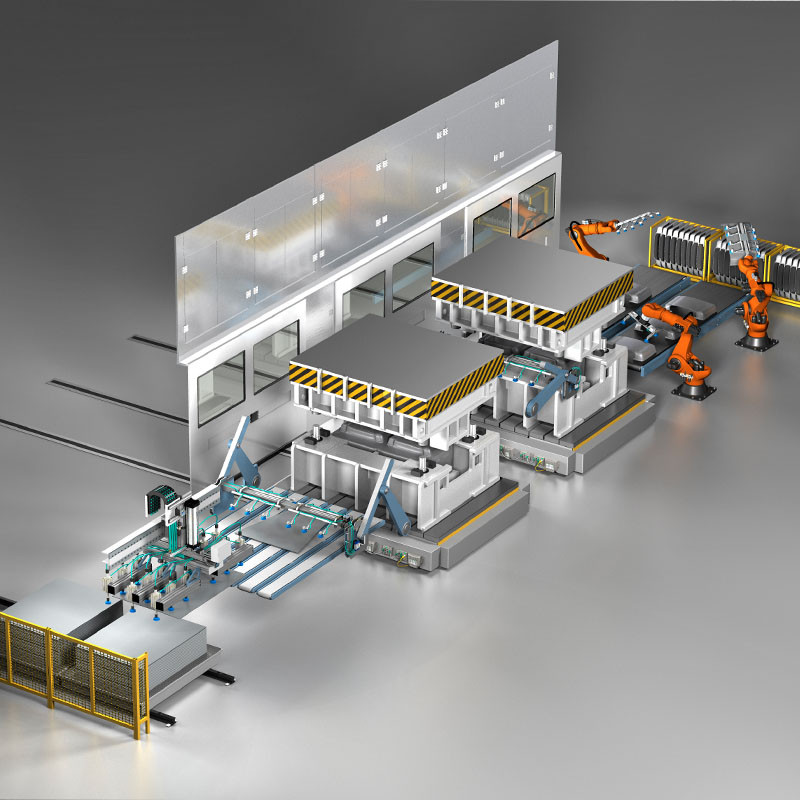
Automating a sheet metal stamping line is one of the most effective ways to increase productivity, reduce labor costs, and improve part consistency. This guide walks through the key components and integration steps needed.
Key Considerations
| Factor | What to Evaluate | FANTY Recommendation |
|---|---|---|
| Material Specs | Type, thickness, width, weight, yield strength | Define all five before comparing options |
| Automation Level | Manual, semi-auto, or fully automatic | Match to your production volume and mix |
| Control Quality | Servo brand, PLC brand, HMI features | Yaskawa + Mitsubishi delivers best reliability |
| After-Sales Support | Warranty, response time, spare parts | FANTY: 12mo warranty, 4hr tech response |
| Total Cost of Ownership | Purchase + install + 5yr maintenance | Quality machine costs less over 5 years |
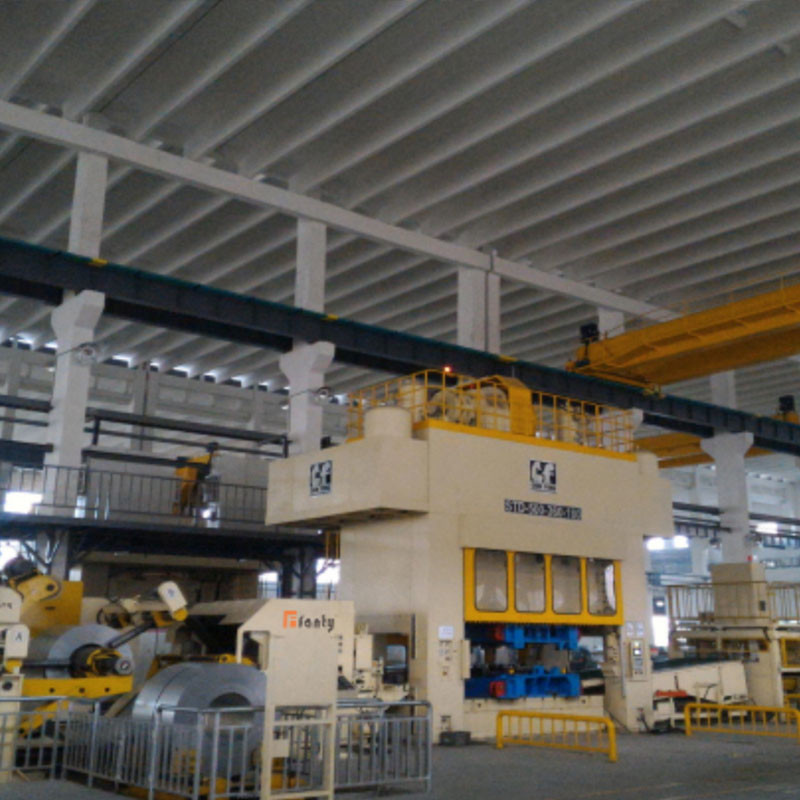
A fully automated sheet metal stamping line typically includes several key components working together in sequence. The material flow starts with a hydraulic or motorized decoiler that holds and unwinds the metal coil. The strip then passes through a precision straightener with 11 to 17 rollers that remove coil set and ensure material flatness within ±0.1 mm per meter. From the straightener, the material enters an NC servo feeder that advances it into the press with ±0.05 mm repeatable accuracy at speeds up to 200 strokes per minute. The press performs the stamping operation, and finished parts are collected by a transfer system or stacking mechanism. Integrating the decoiler, straightener, and feeder as a single 3-in-1 system can reduce the total line length by 50%, saving significant floor space for additional equipment or storage.
Key design considerations include maintaining a straight, unobstructed material flow path from coil car to press exit — every bend or redirection adds tension variation and potential for material damage. Coil changeover time should be under 10 minutes using hydraulic decoilers with powered mandrel expansion.
Feeder timing must be synchronized with the press angle encoder for precise cam profile matching.
FANTY has installed over 200 automated stamping lines worldwide for automotive, appliance, and electronics manufacturers, helping customers achieve 15-25% scrap reduction, 60-80% faster changeovers, and ROI within 12-18 months.
Our engineering team can design a complete line tailored to your specific parts, materials, and production targets.
Key Takeaways
- Define your material specifications before comparing any options
- Match automation level to your production volume and mix
- Evaluate total cost of ownership, not just purchase price
- Choose a supplier with proven experience and reliable support
- FANTY offers CE-certified machines built with premium components
FAQ
What is the most important factor when selecting this equipment?
Defining your material specifications first. Every other decision depends on accurate material data. Start with thickness, width, coil weight, material type, and required production precision.
How does FANTY ensure product quality?
FANTY operates a 45,000 m² facility with 370 employees and 80+ R&D engineers. All machines are CE-certified, tested under load before shipping, and built with premium components from Mitsubishi, Yaskawa, and Siemens.
What after-sales support does FANTY provide?
FANTY provides remote installation guidance, comprehensive operator training, detailed maintenance documentation, and 4-hour response time for technical inquiries. Remote diagnostic access reduces downtime.
Related reading
Part of the the coil line guide library — the full library of coil handling, straightening and feeding guides from FANTY.
Need help selecting the right equipment? Contact FANTY's engineering team for a free consultation and personalized recommendation based on your production data.