How to Calculate Steel Coil Weight?
- Share
- Issue Time
- May 5,2026
Summary
Learn how to calculate steel coil weight using proven formulas, charts, and calculators. Discover OD/ID methods, PIW formulas, coil weight tables, and how to choose the right decoiler machine.
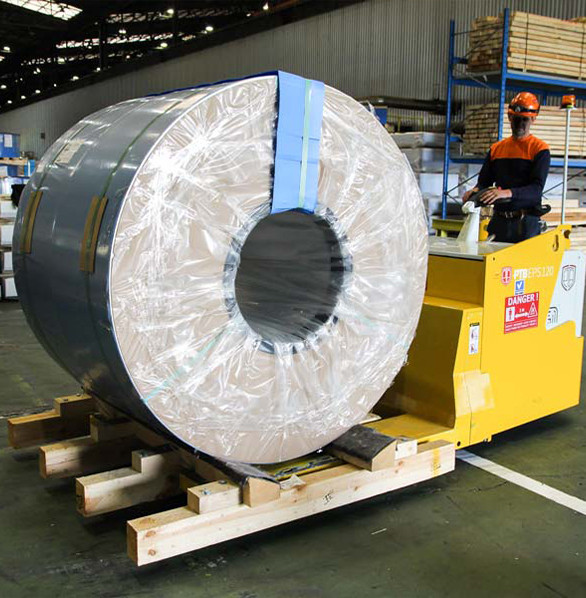
Steel coil weight calculation is one of the most important processes in metal stamping, coil handling, steel processing, and automated production line design. Whether you are purchasing a decoiler machine, designing a coil feeding line, estimating shipping costs, or planning warehouse storage, understanding how to calculate steel coil weight accurately can help reduce downtime, improve safety, and optimize production efficiency.
In industrial manufacturing, incorrect coil weight estimation may lead to decoiler overload, feeding instability, material waste, transportation problems, or even equipment failure. That is why steel service centers, metal fabricators, automotive manufacturers, appliance factories, and stamping plants all rely on standardized steel coil weight formulas and calculators.
What You Will Learn in This Guide
- How to calculate steel coil weight manually
- Steel coil weight formulas explained step-by-step
- Flat-length calculation method
- Annular volume calculation method
- Weight-per-meter calculation method
- Steel density reference values
- Steel coil weight chart examples
- How coil weight affects decoiler machine selection
- Common coil weight calculation mistakes
- How manufacturers use coil weight calculators in production
Why Is Steel Coil Weight Important in Manufacturing?
Steel coil weight directly impacts production line design, material handling, transportation logistics, machine load capacity, and workplace safety. In automated stamping systems, coil weight determines the size and structure of the decoiler machine, hydraulic expansion mandrel, loading car, coil upender, and feeding equipment.
For example, if a steel coil weighs 10 tons but the decoiler capacity is only 5 tons, the equipment may suffer from structural stress, unstable feeding, or motor overload. Similarly, overweight coils may increase transportation costs or exceed warehouse lifting capacity.
Industrial buyers often calculate coil weight before:
- * Selecting a hydraulic decoiler machine
- * Choosing a servo feeder
- * Designing a stamping production line
- * Estimating shipping and packaging costs
- * Planning warehouse storage
- * Comparing steel material consumption
- * Calculating PIW (Pounds Per Inch Width)
- * Estimating coil running length
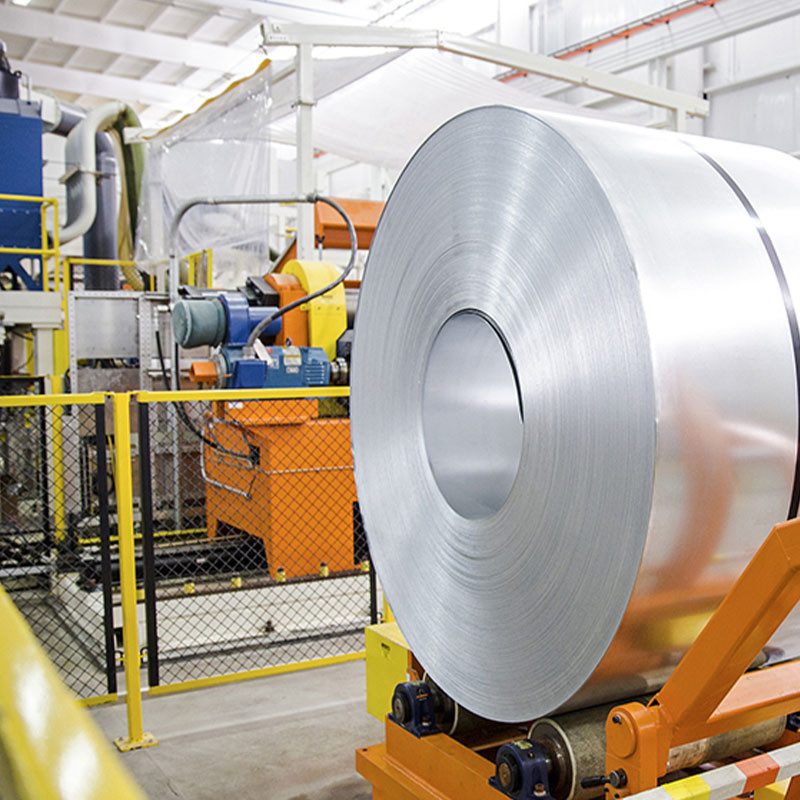
What Factors Affect Steel Coil Weight?
Steel coil weight depends on several physical dimensions and material properties. The most common variables include:
| Factor | Description |
|---|---|
| Coil Width | The width of the steel strip |
| Thickness | Steel sheet thickness |
| Outside Diameter (OD) | Maximum outer diameter of the coil |
| Inside Diameter (ID) | Coil inner diameter |
| Material Density | Density varies by material type |
| Coil Length | Total uncoiled strip length |
Standard Steel Density Values
Different metals have different densities, which directly affect final coil weight calculations.
| Material | Density |
|---|---|
| Carbon Steel | 7.85 g/cm³ |
| Stainless Steel | 7.93 g/cm³ |
| Aluminum | 2.70 g/cm³ |
| Copper | 8.96 g/cm³ |
| Galvanized Steel | Approximately 7.85 g/cm³ |
Method 1: Flat-Length Method for Steel Coil Weight Calculation
The flat-length method calculates steel coil weight based on the uncoiled sheet dimensions. This method is ideal when the strip length, width, and thickness are already known.
Steel Coil Weight Formula
Weight = Width × Thickness × Length × Density
How to Calculate Coil Weight Using Flat-Length Method
- * Measure the steel coil width
- * Measure the material thickness
- * Determine the total strip length
- * Multiply all dimensions by material density
- * Convert units if necessary
Example Calculation
Suppose you have:
- * Width = 48 inches
- * Thickness = 0.1 inches
- * Length = 1000 inches
- * Density = 0.284 lb/in³
48 × 0.1 × 1000 × 0.284 = 1363 lb
This method is highly accurate but requires knowing the full uncoiled length, which may not always be available in industrial applications.
Method 2: Annular Volume Method for Steel Coil Weight
The annular volume method is one of the most commonly used steel coil weight formulas in manufacturing industries because it only requires outside diameter, inside diameter, width, and density.
Annular Volume Formula
Volume = (π / 4) × (OD² − ID²) × Width
Weight = Volume × Density
Example
Assume:
- * OD = 40 inches
- * ID = 20 inches
- * Width = 48 inches
- * Density = 0.284 lb/in³
Volume = (3.1416 / 4) × (40² − 20²) × 48
Volume = 45,239 in³
Weight = 45,239 × 0.284 = 12,847 lb
This method is widely used in steel service centers, decoiler machine manufacturing, and metal stamping plants because OD and ID are easy to measure.
Method 3: Weight Per Meter Method
The weight-per-meter method is especially useful in continuous production lines and automated feeding systems.
Formula
Weight per Meter = Width × Thickness × Density × 1000
Example
- * Width = 1200 mm
- * Thickness = 2 mm
- * Density = 7850 kg/m³
1.2 × 0.002 × 7850 = 18.84 kg/m
If the total coil length is known, manufacturers can quickly estimate the total coil weight.
Steel Coil Weight Charts and Reference Tables
Steel coil weight charts help engineers quickly estimate approximate coil weight without performing manual calculations.
| Thickness | Outer Diameter | Approx Weight |
|---|---|---|
| 1.0 mm | 1000 mm | 4574 kg |
| 1.0 mm | 1200 mm | 7287 kg |
| 2.0 mm | 1400 mm | 10493 kg |
| 3.0 mm | 1400 mm | 10493 kg |
What Is PIW (Pounds Per Inch Width)?
PIW stands for Pounds Per Inch Width and is commonly used in North American steel processing industries.
PIW = Coil Weight ÷ Coil Width
For example:
20,000 lb ÷ 40 in = 500 PIW
PIW values help determine decoiler shaft strength, feeding stability, and machine structural requirements.
How Steel Coil Weight Affects Decoiler Machine Selection
Choosing the correct decoiler machine depends heavily on coil weight. Industrial manufacturers typically select decoilers based on:
- * Maximum coil weight
- * Coil width
- * Coil OD and ID
- * Material thickness
- * Production speed
- * Automation level
For example:
| Production Type | Recommended Decoiler |
|---|---|
| Light Gauge Stamping | Motorized Decoiler |
| Heavy Coil Processing | Hydraulic Decoiler |
| High-Speed Feeding | Double Head Decoiler |
| Automated Stamping Line | Decoiler Straightener Feeder |
Common Mistakes in Steel Coil Weight Calculation
- * Using incorrect material density
- * Mixing metric and imperial units
- * Ignoring coil ID dimensions
- * Using nominal instead of actual thickness
- * Incorrect OD measurements
- * Forgetting protective coating weight
- * Ignoring packaging weight during transportation
Why Manufacturers Use Online Steel Coil Weight Calculators
Online steel coil weight calculators simplify industrial calculations and reduce human error. Many manufacturers integrate coil weight calculators into ERP systems, warehouse management systems, and automated production software.
Modern steel coil weight calculators can:
- * Calculate coil weight instantly
- * Estimate strip length
- * Calculate PIW values
- * Support metric and imperial units
- * Handle multiple material types
- * Estimate shipping costs
- * Improve production planning
How Fanty Machinery Helps Manufacturers Handle Heavy Steel Coils
Fanty Machinery specializes in coil handling equipment, automated stamping systems, and intelligent metal processing solutions. Our engineering team helps manufacturers select the right decoiler machine, straightener feeder, servo feeder, and coil automation system based on actual steel coil weight requirements.
Our solutions support:
- * Heavy-duty hydraulic decoilers
- * Double-head decoilers
- * Decoiler straightener feeder systems
- * Compact coil feeding lines
- * High-speed stamping automation
- * Custom coil handling systems
Whether your application involves automotive stamping, appliance manufacturing, construction materials, electrical cabinets, or precision metal parts, accurate steel coil weight calculation is the first step toward building a stable and efficient production line.
How to Calculate Decoiler Machine Capacity for Steel Coils in 2026?
Frequently Asked Questions About Steel Coil Weight Calculation
How Does Steel Density Affect Steel Coil Weight Calculation?
Steel density plays a critical role in determining the final coil weight because it defines how much mass is contained within a specific volume of material. After calculating the coil’s volume, the result is multiplied by the density of the steel grade to obtain the total weight.
For most carbon steel coils, the standard density is approximately:
Different materials may have slightly different density values:
- Carbon Steel: ~7.85 g/cm³
- Stainless Steel: ~7.90–8.00 g/cm³
- Galvanized Steel: slightly higher due to zinc coating
Using the correct density value is essential for accurate coil weight estimation, especially in automated stamping lines, decoiler selection, shipping calculations, and load capacity planning.
What Measurements Are Required to Calculate Steel Coil Weight Accurately?
To calculate steel coil weight precisely, manufacturers typically need four critical dimensions:
- Outside Diameter (OD) – the full diameter of the completed coil
- Inside Diameter (ID) – the diameter of the coil core
- Coil Width – the width of the steel strip
- Material Thickness – the thickness of the steel sheet or strip
These dimensions determine the coil’s total volume and directly affect equipment selection, including decoiler machines, straighteners, feeders, and coil handling systems.
For best accuracy:
- Use consistent units (mm, kg, meters, or inches consistently)
- Measure OD and ID carefully
- Verify material specifications from the steel supplier
- Avoid mixing metric and imperial units during calculations
Can Steel Coil Weight Be Estimated Using Dimensions Only?
Yes. Steel coil weight can be estimated accurately using standard geometric formulas based on the coil’s dimensions and material density.
The most commonly used industry formula is:
Where:
- W = Coil Weight
- OD = Outside Diameter
- ID = Inside Diameter
- Width = Coil Width
- Density = Steel Material Density
This formula is widely used in:
- Coil processing factories
- Metal stamping production lines
- Decoiler machine sizing
- Warehouse inventory management
- International steel shipping calculations
It provides a reliable weight estimate before slitting, punching, leveling, or further processing.
What Are the Most Common Mistakes in Steel Coil Weight Calculation?
Many manufacturers encounter calculation errors due to inconsistent measurements or incorrect material assumptions. The most common mistakes include:
1. Mixing Metric and Imperial Units
Using millimeters for one dimension and inches for another can produce major calculation inaccuracies.
2. Using Incorrect Steel Density
Different steel grades have different densities. Applying carbon steel density to stainless steel or aluminum will distort the result.
3. Incorrect Diameter Measurements
Even small OD or ID measurement errors significantly affect calculated coil volume and final weight.
4. Ignoring Material Coatings
Galvanized or coated steel may weigh slightly more due to surface layers.
5. Excessive Rounding During Calculation
Rounding values too early reduces accuracy, especially for heavy industrial coils.
To improve accuracy:
- Use calibrated measuring tools
- Maintain consistent units
- Verify steel specifications
- Double-check formulas before equipment selection
Accurate coil weight calculation helps manufacturers choose the correct decoiler capacity, reduce equipment overload risks, and improve production efficiency.
Conclusion
Understanding how to calculate steel coil weight is essential for safe material handling, production planning, equipment selection, and cost control. Whether using the flat-length method, annular volume method, or weight-per-meter formula, accurate coil weight calculations help manufacturers improve operational efficiency and reduce risks.
As global manufacturing becomes increasingly automated, precise steel coil data is more important than ever. Companies that properly calculate coil weight can optimize decoiler selection, reduce downtime, improve logistics, and build more efficient production lines.
If you are looking for professional coil handling equipment, hydraulic decoilers, servo feeding systems, or custom automated stamping solutions, Fanty Machinery can help you design the ideal production line for your steel coil applications.