How to Choose Coil Processing Equipment in 2026?
- Share
- Issue Time
- Feb 5,2026
Summary
How to choose the right coil processing equipment in 2026? Compare decoiler, straightener feeder, blanking line types, key specs, budget vs performance, and upgrade tips from manual to automated.
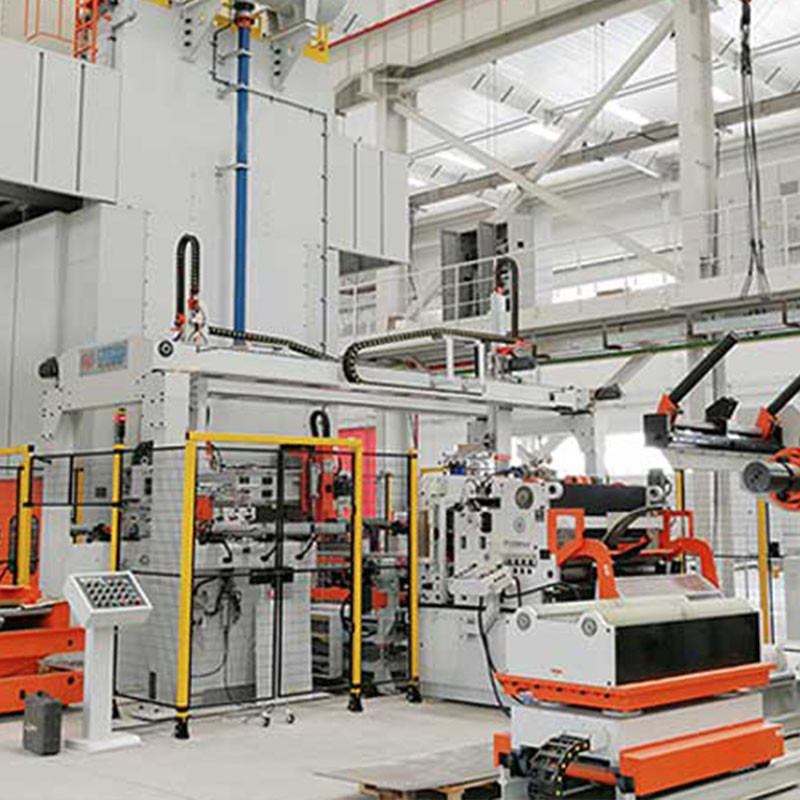
If your factory is still wrestling with frequent jams on manual uncoilers, inconsistent feeding, high scrap rates, or operators constantly stopping to realign sheets, you’ve probably started thinking: “Is 2026 the year we finally upgrade our coil processing setup?” The good news is — yes, the technology, pricing, and ROI have never been more attractive. In this practical 2026 buyer’s guide, we’ll walk through exactly how to choose the right coil processing equipment (decoiler, straightener feeder, blanking line, etc.) so you end up with a system that actually solves your current pain points instead of creating new ones.
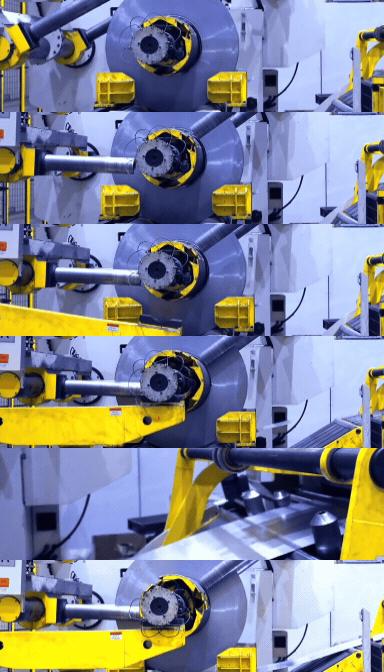
Step 1: Honestly Assess Your Current Pain Points & Production Goals
Before you look at any catalog or quote, answer these questions — they determine almost everything:
- How many hours per month is your line stopped due to manual uncoiling jams, feeder slippage, or leveling issues?
- What’s your current scrap rate from poor coil set removal or inaccurate feeding?
- What’s your average coil weight (1–5 t? 10–30 t?) and material types (mild steel, AHSS, stainless, aluminum)?
- Target output in 2026–2027 — staying flat or aiming for 30–100% more throughput?
- Available floor space and budget range (entry-level vs. fully automated)?
Most factories I talk to realize they’re losing 10–25% efficiency from outdated manual or semi-manual equipment. If that sounds familiar, you’re already in upgrade territory.

Step 2: Understand the Core Types of Coil Processing Equipment in 2026
| Equipment Type | Best For | Typical 2026 Price Range | Automation Level |
|---|---|---|---|
| Manual / Non-powered Decoiler | Very low volume, tight budget | $3,000–$12,000 | Manual |
| Motorized / Hydraulic Decoiler | Medium volume, frequent coil changes | $12,000–$35,000 | Semi-auto |
| NC / Servo Straightener Feeder (single unit) | High-precision stamping | $25,000–$80,000 | High |
| 3-in-1 Decoiler Straightener Feeder | Space-limited factories, high efficiency | $45,000–$150,000 | Very high |
| Full Coil Blanking / Cut-to-Length Line | High-volume blank production | $150,000–$600,000+ | Fully automated |
Step 3: Must-Have Features to Demand in 2026
- Servo instead of mechanical feeding — far better accuracy (±0.03–0.05 mm) and less wear
- Hardened & polished rollers (HRC 60±2) — critical for stainless / AHSS without marking
- Touchscreen HMI with recipe storage & error diagnostics — reduces setup time dramatically
- Auto-lubrication & remote monitoring options — prevents dry-running jams
- CE certification + overload / safety interlocks — non-negotiable for export & insurance
Why Fanty Machinery Is a Smart Choice for 2026 Upgrades
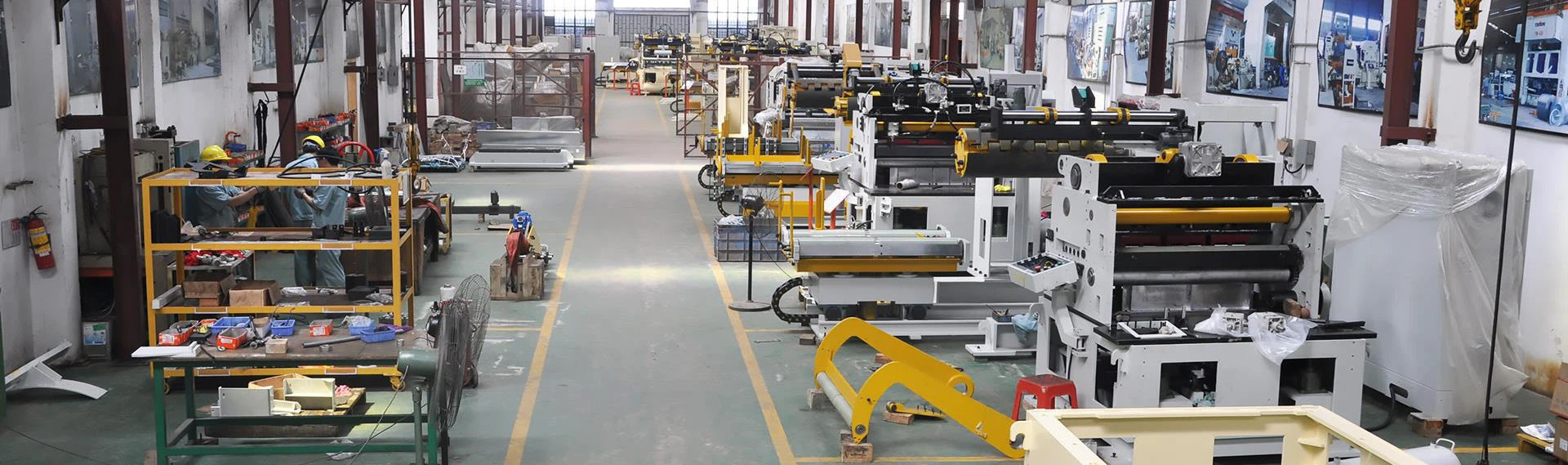
At Fanty Machinery (Dongguan, China, est. 2013), we’ve spent over a decade helping factories escape exactly the problems you’re facing — manual uncoiling jams, feeder slippage, inconsistent leveling, and painful downtime.
Our 45,000㎡ facility and 80+ R&D engineers focus on:
- 3-in-1 decoiler straightener feeders (most popular upgrade from manual setups)
- NC servo & high-speed straightener feeders (±0.03 mm repeatability)
- Full coil blanking / cut-to-length lines for high-volume producers
- CE-certified, Yaskawa/Mitsubishi/Delta core components
- Over 2,000 successful installations worldwide — including automotive partners like BYD
We understand that upgrading isn’t just about buying hardware — it’s about getting a partner who helps calculate real ROI, customizes to your floor space & material, and supports you long after installation. Ready to stop fighting jams and start running smoothly in 2026? Visit our About Us page or contact us for a no-pressure line audit & quotation.
Quick 2026 Decision Checklist
- Calculate current downtime & scrap cost per month
- Define must-have accuracy (±0.1 mm? tighter?)
- Match coil weight / width / material to machine specs
- Require servo feeding + modern HMI for future-proofing
- Ask suppliers for ROI case studies & after-sales plan
- Get 2–3 detailed quotations (including installation & training)
Fanty · NC Straightener Feeder
Pitch, Pass Line and Roll Pressure, Sorted Before You Order
Tell us your press stroke rate and feed length. Our engineers match servo feed power, straightener roll geometry and loop control to your actual cycle time.
Get a Free QuoteFANTY Machinery · 13 years on stamping automation · 2,000+ coil lines installed · engineers reply within 24 hours