How to Compare Prices for Coil Feeding Equipment?
- Share
- publisher
- David Park - Senior Stamping Engineer, FANTY Machinery
- Issue Time
- Jul 31,2026
Summary
A comprehensive guide to comparing coil feeding equipment prices, covering TCO analysis, supplier evaluation, and negotiation tips from FANTY.
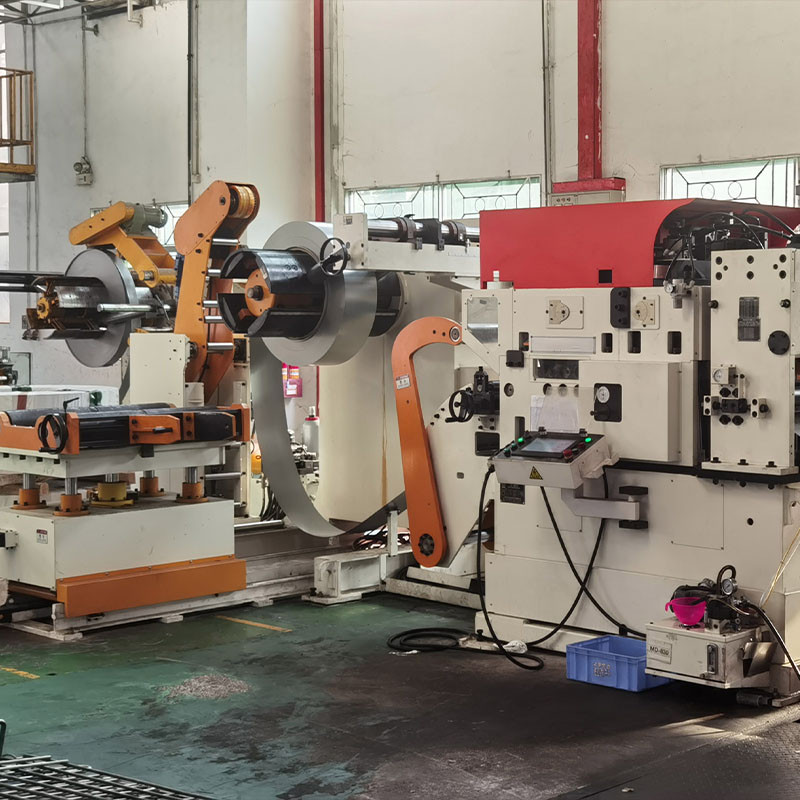
When investing in a stamping press line, one of the most critical decisions is evaluating coil feeding equipment price. The market offers a wide range of options, from budget-friendly entry-level units to premium high-speed servo-driven systems. But price alone never tells the full story.
A seemingly cheap feeder can cost you far more in downtime, scrap, and maintenance over its lifespan. This guide from FANTY Machinery walks you through a structured framework for comparing coil feeding equipment prices, so you can invest wisely and maximize your return.
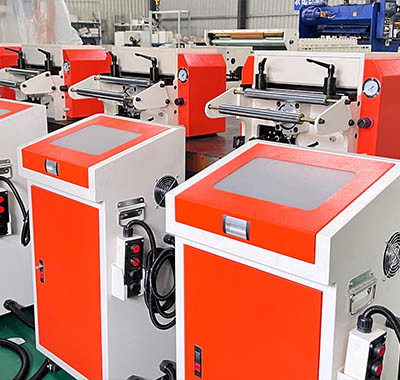
Comparing coil feeding equipment requires looking beyond the sticker price.
Step 1: Define Your Technical Requirements First
Before you even begin comparing prices, you must have a clear technical specification. Feeding equipment prices vary dramatically based on capacity, speed, material thickness, and control precision.
- Maximum coil weight and width (e.g., 5 tons × 400 mm or 10 tons × 600 mm)
- Material type: mild steel, stainless steel, aluminum, galvanized, or pre-painted
- Material thickness range (e.g., 0.3–3.2 mm)
- Required feed pitch length and accuracy (e.g., ±0.05 mm)
- Maximum stamping speed in strokes per minute (SPM)
- Available floor space and press mounting configuration
At FANTY, our engineers always ask clients for these parameters before quoting. A feeder that is oversized for your application wastes capital; an undersized feeder wastes productivity. With 12 years of experience and over 200 production lines installed across 60+ countries, we have seen both scenarios countless times.
Defining your specs first prevents you from comparing apples to oranges when evaluating coil feeding equipment price.
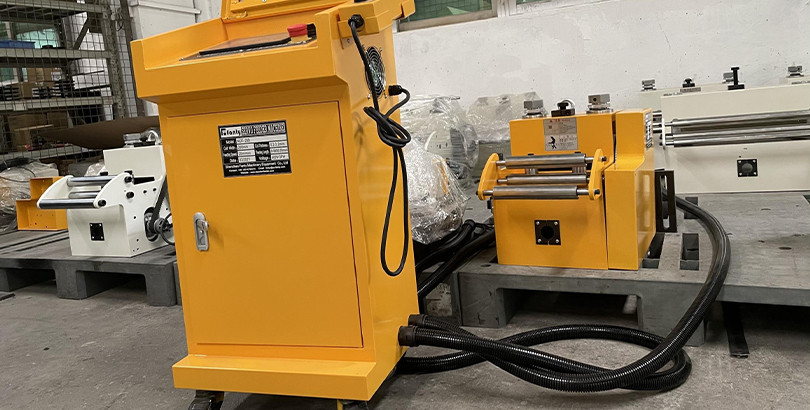
Step 2: Understand the Pricing Components
Coil feeding equipment pricing is rarely a single line item. When you receive a quotation, break it down into these components:
- Base machine price: The feeder, straightener, or combined unit itself
- Control system: PLC, servo drive, touchscreen HMI, and programming
- Tooling and accessories: Coil cradle, loading car, peel-off table, loop control
- Installation and commissioning: On-site setup, calibration, and training
- Shipping and duties: International freight, customs clearance, insurance
- Warranty and after-sales service: Extended warranty, spare parts package, remote support
A low base machine price often hides higher costs elsewhere. For example, a manufacturer may quote a low price for the feeder but charge premium rates for the PLC programming or charge separately for installation. Always request an itemized quotation and clarify what is and is not included.
Price Comparison Table by Equipment Type
| Equipment Type | Typical Price Range (USD) | Max Coil Width | Feed Accuracy | Best For |
|---|---|---|---|---|
| Air Feeder (Pneumatic) | $2,000 – $8,000 | 200 mm | ±0.15 mm | Low-speed, simple stamping |
| Roller Feeder (Mechanical) | $5,000 – $15,000 | 300 mm | ±0.10 mm | Medium-speed general stamping |
| NC Servo Feeder | $10,000 – $50,000 | 600 mm | ±0.05 mm | High-speed precision stamping |
| NC Servo Straightener Feeder (Combo) | $15,000 – $80,000 | 600 mm | ±0.05 mm | Heavy-duty high-precision stamping |
| Heavy-Duty Decoiler + Straightener + Feeder Line | $30,000 – $200,000+ | 1,600 mm | ±0.05 mm | Automotive, appliance mass production |
This table gives you a ballpark reference. Note that the actual coil feeding equipment price depends heavily on customization, control system sophistication, and after-sales support. FANTY offers all these configurations with CE-certified quality, manufactured in our 45,000 m² facility by our 370-person team, including 80+ R&D engineers.
Step 3: Evaluate Total Cost of Ownership (TCO)
Smart buyers know that the purchase price is only the beginning. The total cost of ownership includes:
- Energy consumption: Servo-driven feeders consume energy only during feeding, reducing electricity bills by 30–50% compared to hydraulic systems
- Maintenance costs: NC servo feeders have fewer wear parts (no hydraulic pumps, no pneumatic cylinders to rebuild), significantly lowering annual maintenance expenses
- Downtime impact: Each hour of unplanned downtime on a stamping line can cost hundreds or thousands of dollars in lost production. A reliable feeder with remote diagnostics and local support saves far more than the price difference between brands
- Scrap and rework: Higher feeding accuracy (e.g., ±0.05 mm) means fewer rejected parts. A 1% reduction in scrap rate can save tens of thousands of dollars annually in high-volume production
- Residual value: Well-maintained equipment from reputable brands retains value better. FANTY machines are built from high-grade steel components and precision-ground rollers, designed for a service life exceeding 10 years
When comparing quotes, ask each supplier for their estimated TCO over 5 years. You may be surprised to find that a mid-priced feeder from a quality manufacturer like FANTY delivers the lowest total cost due to lower maintenance, higher uptime, and better support.
Step 4: Compare Supplier Capabilities, Not Just Prices
Behind every coil feeding equipment price is a supplier with a certain level of manufacturing capability, engineering expertise, and after-sales infrastructure. Here is what separates world-class suppliers from commodity resellers:
Manufacturing Scale
FANTY operates from a 45,000 m² ISO 9001-certified factory with advanced CNC machining centers, laser cutting, and robotic welding. This scale enables consistent quality and shorter lead times.
Engineering Depth
With over 80 R&D engineers, we continuously improve our designs. Our NC servo feeders feature proprietary control algorithms for real-time compensation of material thickness variations, coil curvature, and back tension fluctuations.
Global Service Network
FANTY equipment operates in more than 60 countries. We offer remote debugging, video-guided maintenance, and on-site service within 48 hours in most regions. Our CE certification means compliance with European safety and quality standards.
References and Track Record
Ask for customer references in your industry. FANTY has installed over 200 complete production lines for automotive, appliance, electrical, and hardware manufacturers worldwide. A supplier with proven experience in your sector is worth a premium.
Step 5: Checklist for Price Negotiation
Once you have shortlisted two or three suppliers, use this checklist during price negotiation:
- Request the itemized quotation with all components listed separately
- Ask about payment terms: typical is 30% deposit, 60% before shipment, 10% after acceptance
- Clarify the warranty period and exactly what it covers (parts, labor, travel)
- Inquire about spare parts availability and typical lead time for critical components
- Request a list of included training hours for your operators and maintenance team
- Ask about remote monitoring and diagnostic capabilities
- Verify the lead time from order to delivery and installation
- Negotiate a performance guarantee: the supplier should commit to specific feed accuracy and speed targets
- Ask about financing options or lease-to-own programs
- Get references from at least three customers who bought similar equipment
Remember that the cheapest quote is rarely the best value. FANTY's philosophy is to offer fair pricing with transparent terms, backed by real engineering support — not just a sales pitch.
Frequently Asked Questions About Coil Feeding Equipment Pricing
Why is there such a wide price range for coil feeding equipment?
The price range reflects differences in build quality, control precision, material capacity, automation level, and brand support. A basic air feeder costs a few thousand dollars, while a fully automated NC servo line with decoiler and straightener can exceed $200,000. The right choice depends on your production requirements and quality standards.
Is it worth paying more for a servo-driven feeder?
Yes, for most medium-to-high-volume production. NC servo feeders deliver ±0.05 mm accuracy, programmable feed lengths, real-time adjustment, and significantly lower maintenance compared to pneumatic or mechanical feeders. The higher upfront coil feeding equipment price is typically recouped within 12–18 months through reduced scrap, higher speed, and lower downtime.
How much does a complete coil feeding line cost?
A complete line including decoiler, straightener, feeder, and control system typically ranges from $30,000 to $200,000+ depending on coil width, thickness, speed requirements, and level of automation. FANTY offers customized solutions at competitive prices with full CE certification and global support.
Should I buy a combined straightener feeder or separate units?
A combined straightener feeder saves floor space and installation cost, while separate units offer more flexibility for different coil specifications. Combined units are ideal for dedicated production lines with consistent material, while separate units suit job shops with varying material requirements.
Can I negotiate the price of industrial coil feeding equipment?
Yes, most manufacturers are open to negotiation, especially for larger orders or long-term partnerships. The key is to get multiple itemized quotes, understand the cost breakdown, and negotiate on total package value rather than just the base machine price. FANTY offers volume discounts and flexible payment terms for established customers.
Get a Customized Price Quote from FANTY
Stop guessing and start comparing with real data. FANTY Machinery provides detailed itemized quotations with full technical specifications, performance guarantees, and after-sales support plans. Our experienced engineering team can help you select the right coil feeding equipment for your specific application and budget.
With 12 years of manufacturing expertise, CE-certified quality, and equipment installed in over 60 countries, FANTY is your trusted partner for press feeding solutions.
Related reading
- how much floor space a coil line needs
- how to select the right model
- what each specification line really costs
Part of the the coil line guide library — the full library of coil handling, straightening and feeding guides from FANTY.