How to Estimate NC Straightener Feeder Resale Value?
- Share
- publisher
- David Park - Senior Stamping Engineer, FANTY Machinery
- Issue Time
- Sep 7,2026
Summary
How to estimate the resale value of an NC Straightener Feeder: depreciation curves, condition grading, market factors, and the maintenance records that protect value.
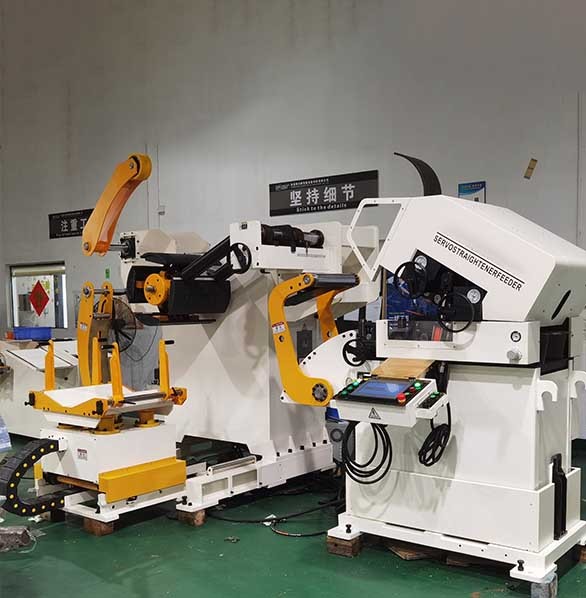
Machinery is an asset on the balance sheet, and like every asset it has a value that falls with age, hours, and wear. Most stamping shops never think about the resale value of an NC straightener feeder when they buy it, yet that value decides how much equity the machine represents, how much insurance to carry, and how much you recover when a line is retooled or a plant closes. Understanding how used coil-feeding equipment is valued helps you buy wisely, maintain deliberately, and sell at the right moment. This guide explains the factors that drive resale value, the depreciation pattern typical of this equipment class, and the records that separate a machine that holds its value from one that loses it fast.
The valuation method here is the same one used by dealers, appraisers, and plant liquidators when they price used stamping equipment. It is not a precise science, but it is a consistent framework, and consistency is what lets you track the value of your own machines over time.
How Coil-Feeding Equipment Depreciates
An NC Straightener Feeder follows a depreciation pattern that is common to well-built production machinery: a steep drop in the first years, then a long plateau where a maintained machine holds a stable value.
- Year one to three. The value falls fastest, often losing 30 to 45 percent, because the warranty expires and the machine is no longer new.
- Year three to eight. The value plateaus as the machine proves reliable; a maintained unit may hold 40 to 55 percent of its new price.
- Beyond eight years. The value depends almost entirely on condition and documentation, not age, as buyers judge the machine on its records.
Compare this with the accounting depreciation on your books, which usually writes the machine down to a small salvage value over five to seven years. The market value and the book value diverge, and the market value is the one that matters when you sell or borrow against the machine.
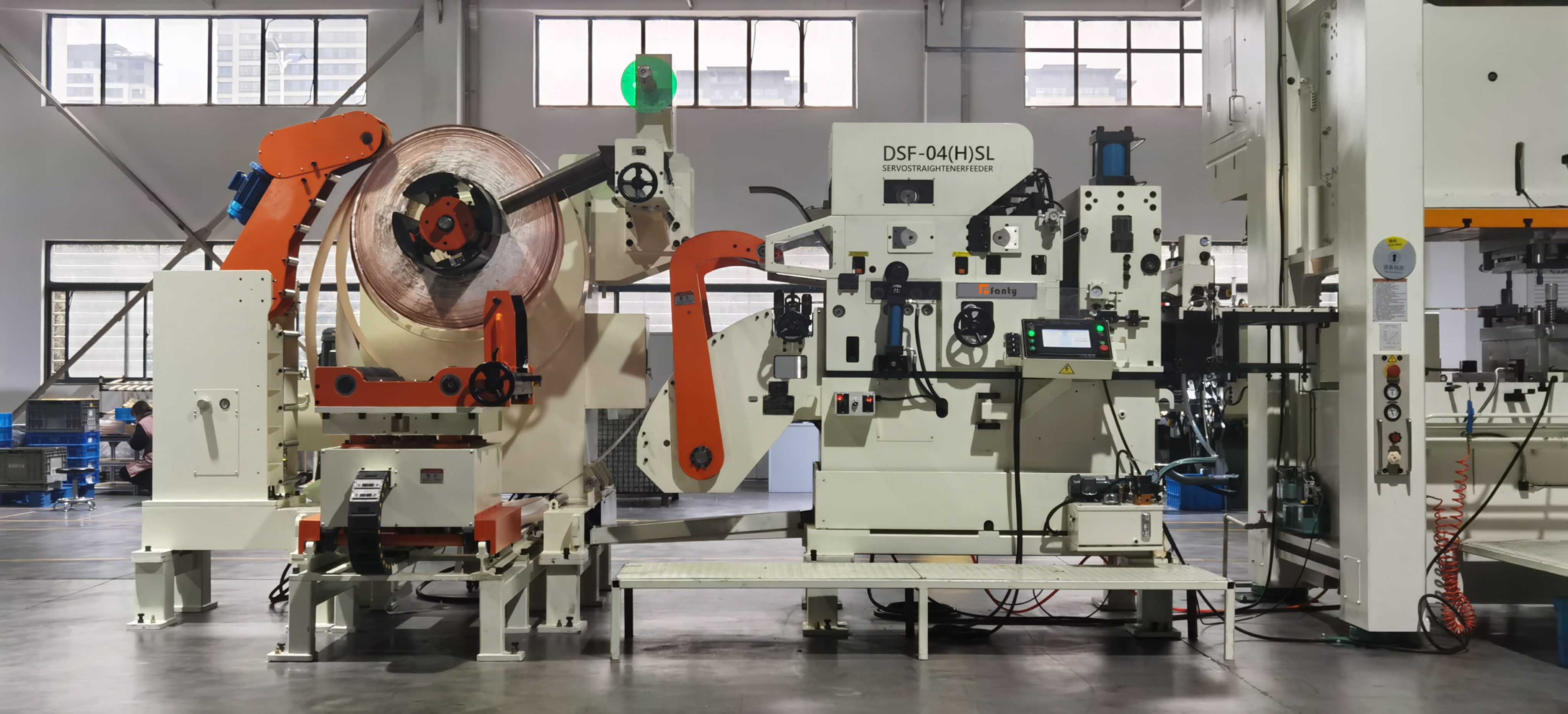 the nc straightener feeder line
The Factors That Move the Value
Within the depreciation curve, six factors decide where a particular machine sits. Appraisers grade each one when they price a unit.
| Factor | What appraisers look at | Effect on value |
|---|---|---|
| Age and running hours | Years in service and total operating hours | High hours lower value faster than age alone |
| Condition grade | Cosmetics, wear, leaks, and control panel condition | A clean, tight machine can sell well above a neglected one of the same age |
| Maintenance records | Service log, parts replaced, and roll condition | Documented history adds 10-20% for serious buyers |
| Servo and drive brand | Whether the electronics are standard, serviceable parts | Common brands hold value; obsolete electronics discount heavily |
| Original documentation | Manuals, wiring diagrams, CE file, test reports | Missing documents can halve the effective market |
| Market demand | How many shops want that size and capability now | Popular sizes sell fast; odd sizes wait for a buyer |
Notice that two of the six factors, maintenance records and documentation, are entirely within your control from the day you buy the machine. A feeder with a complete service log and original manuals is worth measurably more to a knowledgeable buyer, because the buyer is purchasing certainty as much as hardware.
How to Grade the Condition Yourself
Before you need an appraiser, you can grade your own machine with the same categories the trade uses. This also tells you what to fix before a sale.
- Excellent. Low hours, original paint largely intact, no leaks, complete records, all functions tested and working.
- Good. Normal wear for the age, minor cosmetic marks, service history available, machine runs to specification.
- Fair. Visible wear, some repairs needed, incomplete records, sold with the understanding that the buyer will invest in it.
- Poor. Significant repairs required, obsolete controls, no records, valued near scrap plus the value of usable components.
Grade honestly. A machine that is honestly graded good sells faster than one over-claimed as excellent, because the buyer's inspection will confirm the grade and the discount for disappointment is steep.
Researching the Market Price
To estimate what a machine would sell for today, research the current market rather than relying on the original price. Look at listings from used-machinery dealers for NC straightener feeders and 3-in-1 coil lines of similar size and age, and note the asking prices. Asking prices include the dealer's margin, so the actual sale price is typically 10 to 25 percent below the asking figure. Auction results, where they are published, show the true market floor.
When comparing listings, adjust for capability: a feeder with a larger thickness range, a wider strip capacity, or a well-known servo brand supports a higher price than a smaller or lesser-known configuration. A practical estimation formula used by dealers is to take the replacement cost of the machine today, apply the age-and-hours depreciation curve, then adjust up or down by the condition grade and documentation completeness. The result is a defensible estimate you can use for insurance, financing, or a sale decision.
Protecting the Value from Day One
The cheapest way to maximize resale value is to protect it from the day the machine arrives. Five habits cost almost nothing and pay at the sale.
- Keep the original documentation. Manuals, wiring diagrams, CE file, and the commissioning report in one binder.
- Run the maintenance schedule. A documented service history is the single strongest value protector.
- Record every repair. What failed, what was replaced, and when, with the parts used.
- Log the operating hours. The hour meter is the machine's odometer; record it with each service.
- Keep it clean. A machine that looks cared for sells faster and higher than an identical one that looks abandoned.
These habits also protect your production, because the same records that raise the resale value are the records that let your maintenance team predict and prevent failures. Value protection and reliability protection are the same activity.
Frequently Asked Questions
How much of its value does an NC Straightener Feeder keep after five years?
A well-maintained unit typically holds 40 to 55 percent of its new price after five years, depending on condition, hours, and market demand. Machines with complete records and common servo brands sit at the top of that range.
Do hours matter more than age for resale value?
For this equipment class, yes. Two identical machines of the same age can differ greatly in value if one ran one shift and the other ran three. The hour meter and the maintenance log tell the real story.
Should I sell through a dealer or directly?
A dealer reaches a wider market and handles the logistics, but takes a commission. Selling directly captures the full price but takes time and effort. For a common size with broad demand, a direct sale to a nearby buyer often nets more; for an unusual machine, a dealer's network is worth the fee.
Does upgrading the controls increase resale value?
It can, if the upgrade makes the machine more capable or brings the electronics to a serviceable standard. An upgrade that costs 5,000 dollars and adds 8,000 dollars of value is worthwhile; one that simply personalizes the machine for your operation may add nothing for the next buyer.
How should I value the machine for insurance?
Insure for the replacement value, the cost to replace the machine with an equivalent new one, not the resale value. The two differ substantially, and under-insuring by insuring at resale value leaves you short after a total loss.
Buy a Machine That Holds Its Value
The machines that hold value are the ones built by real manufacturers with standard components and full documentation. FANTY NC Straightener Feeders ship with a complete technical file, a service schedule, and common servo drives, so the asset stays sellable for decades. Ask for the documentation list with your quotation.
Request a Quotation with Full Documentation