How to Reduce Material Waste with an NC Servo Feeder?
- Share
- publisher
- David Park - Senior Stamping Engineer, FANTY Machinery
- Issue Time
- Aug 21,2026
Summary
An NC servo feeder reduces material waste three ways: stored recipes cut setup strip, ±0.05 mm accuracy allows tighter pitch, and stable feed cuts rejects.
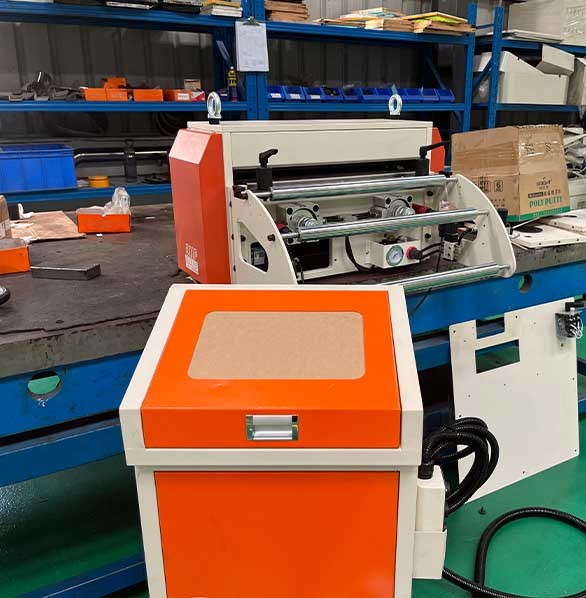
In a stamping shop, material is the largest single cost of every part, which means the strip you throw away is not a rounding error; it is your profit margin walking out the door.
The gap between the theoretical material cost per part and what you actually buy is the waste bill, and it is made up of three things: the scrap skeleton between parts, the coils scrapped during setup, and the rejects produced by an unstable process. An NC servo feeder attacks all three.
Because it meters the strip with closed-loop precision, it lets you nest parts closer together, cuts the trial-and-error strip used during changeover, and removes the feed errors that create rejects.
This guide breaks down exactly how an NC servo feeder reduces material waste, where the savings appear, and how to measure them so you can prove the payback.
Where the Waste Actually Comes From
Most shops do not realize how much strip disappears outside the die. Setup waste is the classic example: to set the feed length, the operator feeds strip through, checks the part, adjusts, feeds more strip, and repeats until the part is right.
The second hidden waste is the scrap skeleton: the distance between parts along the strip. If the feeder cannot hold tight pitch accuracy, you must leave extra pitch length between parts so that slight errors do not push parts into the pilot station or the next die station.
That extra spacing is pure scrap on every stroke of every coil. A precise NC servo feeder holding ±0.05 mm allows the die designer to tighten the pitch, which converts previously wasted strip into additional parts per coil.
Over a year of production, a reduction of a few millimeters of pitch per part is a measurable tonnage of saved material.
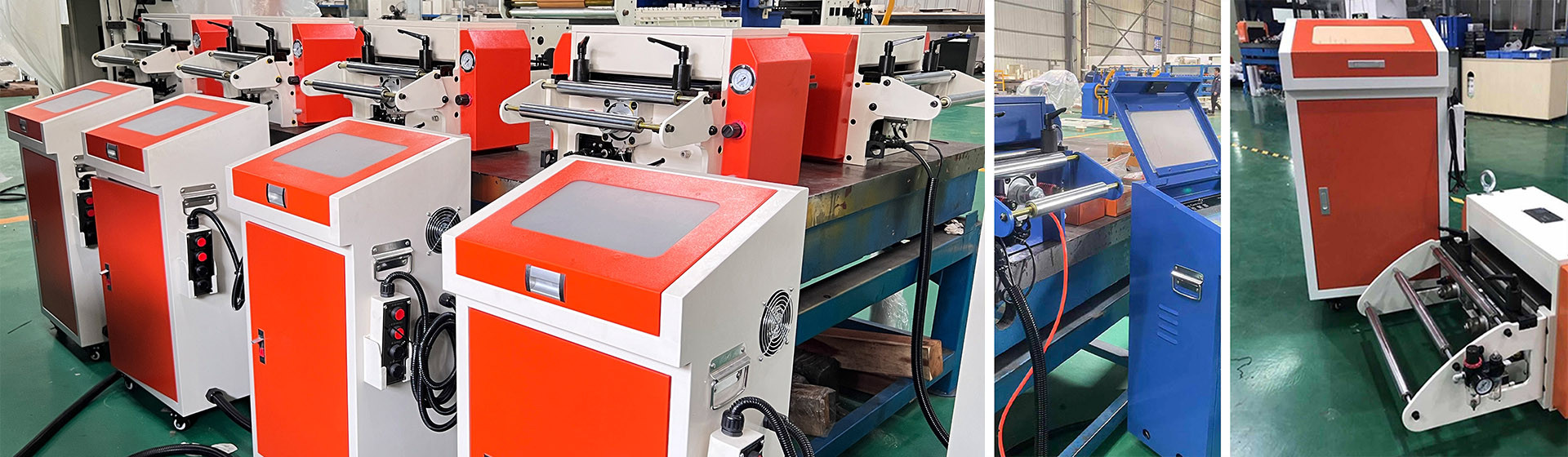
The Third Source: Rejects from Feed Error
The rejects created by an unstable feed are waste in the most literal sense: material that entered the machine and came out as nothing usable.
There is also the waste that never even reaches the die: strip damaged during feeding. A pneumatic feeder that slams the strip, or a mis-synchronized feed that runs before the die is open, can scratch or nick the material at the leading edge, forcing the operator to discard the first section of every coil.
Smooth servo acceleration profiles and crank-angle synchronization keep the strip moving cleanly and at the right moment, so the coil leads in with good material from the first meter.
| Waste Source | Annual Impact (Typical) | How an NC Servo Feeder Helps |
|---|---|---|
| Setup trial strip | Several meters per changeover | Stored recipes recall exact job setup |
| Excess pitch between parts | Millimeters × strokes × coils | ±0.05 mm accuracy allows tighter pitch |
| Feed-error rejects | Miss-struck and skewed parts | Closed-loop position control every stroke |
| Lead-edge damage | First meters of each coil | Smooth servo acceleration, clean starts |
| Coil tails and leftovers | Unusable end-of-coil lengths | Accurate runs to the very last meter |
| Rework labor | Operator time fixing bad parts | Stable feed means parts are good first time |
How to Measure the Savings and Prove Payback
Material savings only count when you can measure them. Start by recording three numbers before you change anything: the kilograms of coil used per month, the number of good parts produced per month, and the scrap weight or reject count.
It is worth remembering that an NC servo feeder is not a magic box; it is a precision component of a controlled line.
It saves the most material when it works with a straightener that delivers flat strip and a decoiler that feeds steadily, which is why integrated lines, including the 3-in-1 decoiler straightener feeder, tend to show the best waste reduction numbers.
FANTY builds the whole line, so we can help you set up every stage for minimum waste, drawing on 12 years of stamping experience, more than 80 R&D engineers, and 200+ installations across 60+ countries.
One more point about measurement: do not count only the obvious scrap bin. Material waste also hides in rework time, in energy used to stamp parts that are later discarded, and in the shorter die life caused by feeding errors.
When you put a number on the full cost of waste, the case for an NC servo feeder becomes much easier to justify, and the savings are often larger than the initial estimate. There is also the question of what happens upstream.
If the strip arrives at the feeder with coil set or edge wave, the servo feed will meter it accurately, but the die will still form a part that carries the strip's flatness defects, which means the part fails inspection and becomes waste anyway.
That is why the straightening stage matters just as much: an NC Straightener Feeder removes the flatness defects before the strip is metered, so the accurate feed length is not wasted on bad material.
In the most efficient configuration, a 3-in-1 decoiler straightener feeder handles uncoiling, leveling, and feeding in one controlled pass, which closes the gaps where waste enters and makes the material savings easier to capture and repeat.
- Measure material used per good part before and after installation.
- Use stored recipes to eliminate trial strip during every changeover.
- Ask your die designer whether pitch can be tightened at ±0.05 mm accuracy.
- Track rejects by cause to see feeding-related waste fall to near zero.
- Keep a separate log of lead-edge strip discarded per coil.
- Run to the coil tail with accurate feed instead of stopping early.
Material Saving FAQ
How much material waste can an NC servo feeder realistically save?
Typical improvements come from three streams: setup strip nearly eliminated with stored recipes, tighter pitch using the saved accuracy margin, and fewer feed-error rejects. Shops with frequent changeovers often see the fastest, most visible savings in setup strip alone.
Can I tighten the pitch on an existing die after installing a servo feeder?
Sometimes, but changing pitch usually means modifying the die. The practical approach is to design new dies with tighter pitch knowing the feeder holds ±0.05 mm, and to capture the accuracy benefit on existing dies through fewer rejects and cleaner setup.
Is material waste the same as scrap rate?
Not exactly. Scrap rate usually refers to rejects as a percentage of parts. Material waste is broader: it includes the scrap skeleton, setup strip, damaged lead edges, and coil tails. An NC servo feeder reduces all of these, so tracking material used per good part captures the full picture.
Do I need other line upgrades to realize the material savings?
The feeder saves the most when the strip arrives flat and steady, so a straightener and a stable decoiler multiply the benefit. An integrated 3-in-1 decoiler straightener feeder line removes the hand-off points where waste enters, which is why FANTY recommends looking at the whole line together.
Related reading
Part of the the coil line guide library — the full library of coil handling, straightening and feeding guides from FANTY.
Turn Material Waste Back Into Profit
Send us your material usage numbers and let our engineers show you what an NC servo feeder can save per month.
Calculate Your Savings