How to Reduce Noise and Vibration with an NC Servo Feeder?
- Share
- publisher
- David Park - Senior Stamping Engineer, FANTY Machinery
- Issue Time
- Aug 11,2026
Summary
Discover how an NC servo feeder reduces noise and vibration in stamping lines through smooth servo motion, synchronized feeding and rigid frame design from FANTY.
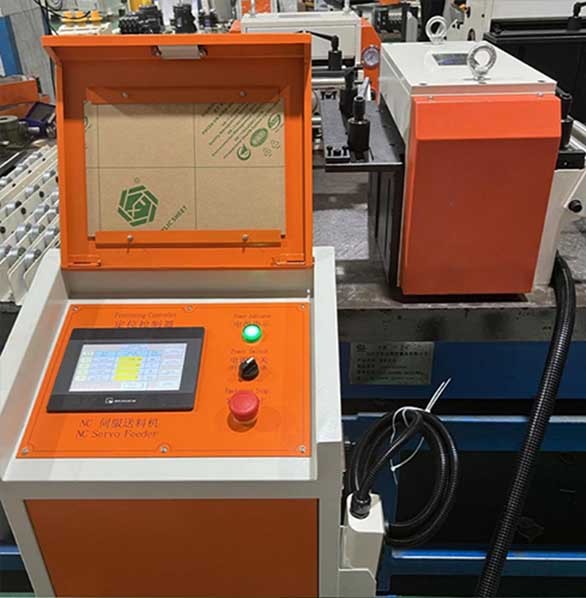
How to reduce noise and vibration with an NC servo feeder is a question that matters far more than most stamping shops realize. Excessive vibration does not just make the workshop unpleasant; it destroys die life, degrades part accuracy and can even loosen machine components over time.
A 3-in-1 decoiler straightener feeder driven by a properly tuned servo system addresses the root causes of vibration instead of masking the symptoms.
In this guide, FANTY's stamping engineers explain where vibration comes from in a coil feeding line and how an NC servo feeder helps you run smoother, quieter and more profitably.
Where Does Vibration in a Stamping Line Actually Come From?
Vibration on a stamping line has several distinct sources, and solving the wrong one wastes money. The press itself generates impact shock on every stroke, but the feeding equipment can amplify or isolate that shock depending on how it is built and driven.
Traditional mechanical feeders use a clutch-brake system that engages and releases with a hard mechanical snap. Every single stroke of the clutch produces impact, heat and wear.
Over a full production shift at 200 SPM, that is more than ten thousand impacts per hour hammering through the feeding mechanism, the die and the press. This continuous hammering is one of the main reasons mechanically fed lines shake, produce inconsistent feed length and wear out dies prematurely.
How an NC Servo Feeder Smooths Out the Motion Profile
The fundamental advantage of an NC servo feeder is its programmable motion profile.
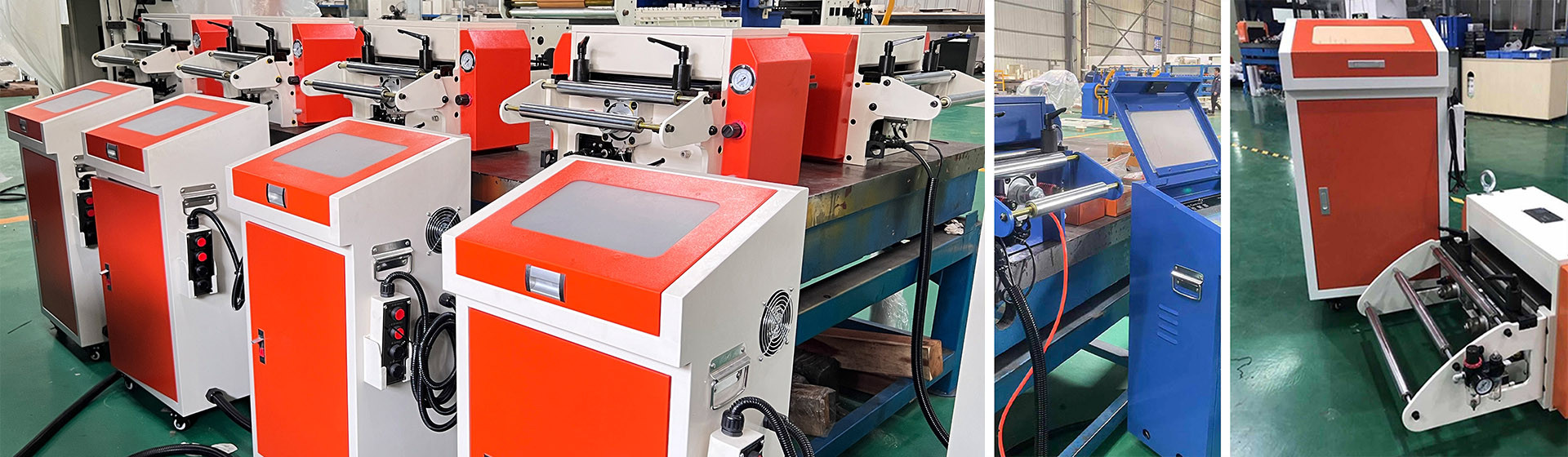
A modern 3-in-1 decoiler straightener feeder coordinates the decoiler, the straightener and the servo feed as one synchronized system. The straightener rolls run at a controlled speed matched to the feed cycle, so the strip is never yanked or released abruptly.
The servo feed rolls grip the material with pneumatic clamping pressure and move it precisely at the right moment, eliminating the impact that mechanical feeders transfer to the press and die.
- Programmable S-curve acceleration reduces peak shock load on the die
- Closed-loop feedback holds pitch accuracy while the line runs smoothly
- No clutch-brake impact means less heat, noise and mechanical wear
- Lower vibration extends die life and reduces scrap from micro-impact
- Operator-friendly running environment improves safety and morale
Vibration Sources and the Right Fix for Each One
| Vibration Source | Typical Symptom | Fix with an NC Servo Feeder Line |
|---|---|---|
| Clutch-brake engagement | Mechanical snap, heat, jerky feed | Replace with servo drive using a smooth S-curve profile |
| Unbalanced coil on decoiler | Frame shake, strip wander, loose expansion | Precision-machined mandrel, proper expansion grip, coil guide |
| Strip tension variation | Bouncing strip, feed length drift | Synchronized straightener speed with constant tension control |
| Resonance with press | Amplified shaking at certain SPM | Rigid stress-relieved frame and tuned motion profile |
| Mechanical wear in linkages | Growing noise over weeks | Fewer moving parts, sealed bearings, less maintenance |
As the table shows, most vibration problems on a coil feeding line trace back to mechanical impact and poor synchronization. An NC servo feeder attacks both root causes at once. This is why shops that convert from mechanical feeders to servo-driven 3-in-1 decoiler straightener feeder lines consistently report a quieter workshop within the first week of operation.
Practical Tips to Reduce Noise and Vibration Further
Even with a premium NC servo feeder, a few installation practices make a measurable difference. First, ensure the machine sits on a level, solid floor with proper foundation bolts.
Third, use the correct clamping pressure on the feed rolls. Too much pressure deforms soft materials and creates chatter; too little lets the strip slip and vibrate. Fourth, balance the coil on the decoiler mandrel before starting a run, especially with heavy coils.
FANTY's hydraulic decoiler design includes a precision expansion mechanism that grips the coil inner diameter evenly, which is one of the most effective ways to keep the strip running true and quiet.
Finally, keep the straightening rolls in good condition and properly adjusted. Worn or misaligned rolls cause the strip to scrub and vibrate as it passes through the NC straightener feeder. A simple preventive maintenance schedule, which our engineers provide with every machine, prevents these issues from developing in the first place.
Why Smooth Feeding Protects Your Die and Your Parts
Vibration is not just a comfort issue; it is a quality and cost issue. When the feeding mechanism snaps and jerks, the strip can micro-slip at the moment of clamping, which shows up as inconsistent pitch and dimensional variation in the stamped part.
By contrast, a servo-driven NC servo feeder delivers the strip at a controlled speed with consistent pitch, stroke after stroke. FANTY machines hold ±0.05 mm feeding accuracy even at high line speeds, so your parts stay within tolerance and your die stays sharp longer.
Lower vibration also means fewer loose fasteners, fewer oil leaks and fewer unplanned stops, which adds up to significantly higher overall equipment effectiveness on the line.
How FANTY Builds Quiet, Stable Coil Feeding Lines
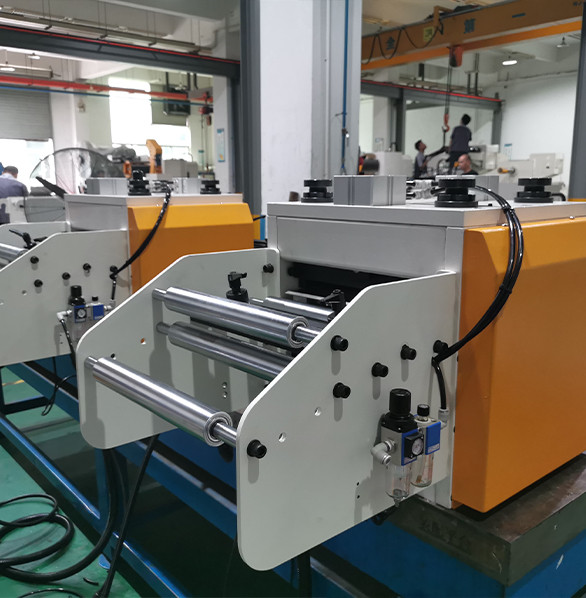
Building a low-vibration line starts with the mechanical design. FANTY uses a stress-relieved, thick-plate welded frame for the entire 3-in-1 decoiler straightener feeder, which provides the mass and rigidity needed to damp vibration rather than transmit it.
With 12 years of engineering experience, a 45,000 m² factory and more than 80 R&D engineers, FANTY has the capability to tune each NC servo feeder motion profile to the customer's specific die, material and press.
Our 370 staff members support more than 200 active production lines in over 60 countries, and every machine is CE certified. When you work with FANTY, you are not just buying a machine; you are buying a quieter, more stable and more profitable stamping line.
Frequently Asked Questions
Will an NC servo feeder really reduce noise compared with a mechanical feeder?
Yes, and the difference is usually obvious within the first shift. A mechanical clutch-brake feeder produces a hard impact on every stroke, while a servo drive accelerates smoothly with a programmed profile. Customers who convert to an NC servo feeder typically report a noticeably quieter workshop and reduced floor vibration, along with better feed accuracy.
Can vibration from the press itself damage the feeder?
Press impact shock is transmitted through the floor to nearby equipment. A rigidly built 3-in-1 decoiler straightener feeder with a stress-relieved frame absorbs much of this energy, and proper foundation mounting isolates the machine further. It is important to bolt the feeder line down correctly and keep the pass line aligned with the press.
Does reducing vibration actually improve stamped part quality?
Absolutely. Vibration causes micro-slip at the clamping moment and inconsistency in feed pitch, which directly affects part dimensions. Smooth servo motion holds pitch accuracy to ±0.05 mm, keeps the strip stable through the straightener and dies, and reduces scrap. Lower vibration also keeps tooling sharp longer.
What maintenance keeps an NC servo feeder running smoothly and quietly?
Follow the manufacturer's schedule: check feed roll clamping pressure, inspect straightening roll condition, lubricate bearings, keep the electrical cabinet clean and ventilated, and periodically verify the motion profile is still optimal for the job. FANTY provides a detailed preventive maintenance schedule with every machine and offers remote diagnostics support.
Related reading
Part of the the coil line guide library — the full library of coil handling, straightening and feeding guides from FANTY.
Ready to make your stamping line quieter, smoother and more profitable?
Contact FANTY's engineers for a free line assessment and a customized NC servo feeder solution for your press shop.
Request Your Free Assessment