How to Reduce Scrap in High-Speed Stamping Lines?
- Share
- publisher
- David Park - Senior Stamping Engineer, FANTY Machinery
- Issue Time
- Aug 4,2026
Summary
A practical guide to cutting scrap in high-speed stamping: fix feeding accuracy, material straightening, die maintenance, lubrication, and real-time monitoring.
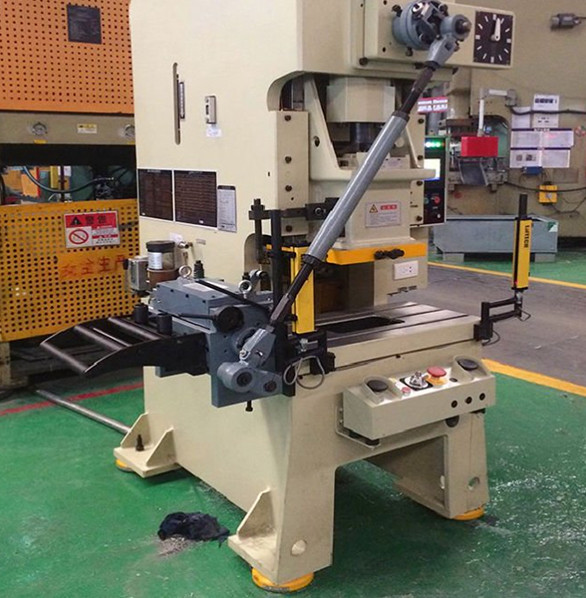
Scrap is the silent profit killer on every high-speed stamping line. At 200 strokes per minute, even a small feeding error, a worn die edge, or a tiny lubrication inconsistency is multiplied into thousands of defective parts every shift.
Reducing scrap in high-speed stamping is not a single fix but a systematic discipline that combines material control, precision feeding, die maintenance, lubrication, and real-time monitoring.
This article explains the root causes of stamping scrap and gives you a practical, step-by-step plan to lower your scrap rate, protect your press, and improve your bottom line without slowing down production.
Where Does Scrap in High-Speed Stamping Actually Come From?
Before you can reduce scrap, you need to know where it originates. In most stamping plants, the largest source of scrap is not the die itself but the material feeding system.
When the coil material is not fed to the exact position at the exact moment the die closes, the punch cuts in the wrong place, producing a part that is out of tolerance.
At high speeds, the window for error shrinks dramatically: a servo feeder with poor response, backlash in the rolls, or inaccurate length control will produce intermittent scrap that is very hard to trace.
The second major source is material condition. Coil edge waves, camber, surface scratches, inconsistent thickness, and poor straightening all create scrap before the material even reaches the die. If your coil material arrives with internal stress or thickness variation, no amount of die tuning will fix it.
That is why a good straightener is as important as a good die: it removes the residual stress and delivers flat, consistent material to the feeder.
Finally, die condition and process parameters play a decisive role. Worn punches and dies create burrs and dimensional drift; incorrect clearance produces fractures; inconsistent lubrication causes galling and scoring; and stamping oil that is too thin fails to protect the die at high speed.
Many plants find that scrap jumps after a die has run a certain number of strokes, which is a clear signal that preventive maintenance intervals are too long.
Seven Proven Methods to Cut Scrap in High-Speed Stamping
Successful stampers treat scrap reduction as a continuous improvement program. The seven methods below cover the entire line, from the coil reel to the die area, and can typically reduce scrap by 30 to 50 percent when implemented together.
- Verify feeding accuracy first
Measure the actual feeding length on every 100th part. A modern NC servo feeder holds ±0.05 mm; if you see drift, check roll pressure, encoder, and material thickness variation before blaming the die.
- Improve material straightening
Use a leveler with enough straightening rolls for your material thickness and width. Flat, stress-free material feeds consistently and reduces die wear dramatically.
- Schedule die maintenance by stroke count
Track strokes per die and grind or replace edges based on data, not guesswork. Consistent maintenance intervals keep part quality stable between services.
- Standardize lubrication
Choose the right stamping oil for speed and material, and apply it consistently with a mist or roller system instead of manual brushing.
- Install in-die sensors
Micro sensors detect mis-feed, material buckle, or part non-ejection instantly and stop the press before a die smash creates massive scrap and repair cost.
- Monitor coil quality on arrival
Inspect thickness, edge condition, and camber for every incoming coil. Reject bad material at the door instead of discovering it as scrap on the press.
- Track scrap by cause
Classify every scrap part by root cause and review the Pareto chart weekly. The biggest bar tells you exactly where to focus next month's improvement.
The order matters. If you start with die maintenance but your feeder is drifting 0.2 mm, you will still produce scrap. Fix the feeding and material variables first, because they are common causes that affect every part; then refine die and process variables. This sequencing gives you the fastest measurable improvement.
How Feeding Accuracy Drives Your Scrap Rate
Feeding accuracy is the variable that most directly influences scrap in high-speed stamping. Consider a progressive die running at 200 SPM. If the feed length must be 100 mm and the feeder drifts just 0.1 mm, the pilot holes will misalign with the die.
At 200 parts per minute, that misalignment converts to roughly 12,000 potentially defective parts per hour, and if the die smashes, you also lose the tool itself.
Modern NC servo feeders eliminate the mechanical variability of older clutch-based or pneumatic feeders. The servo motor is commanded by a controller that compares the actual encoder position with the programmed feed length on every cycle, and the closed-loop correction keeps the material on target.
FANTY's NC servo feeders, for example, hold ±0.05 mm feeding accuracy in production and are installed in more than 200 active lines worldwide, giving stampers a reliable foundation for scrap reduction.
| Scrap Cause | Typical Contribution | Primary Fix | Expected Result |
|---|---|---|---|
| Feeding length drift | 30-40% | Servo feeder with ±0.05 mm accuracy | Scrap cut by up to 50% |
| Material flatness issues | 15-25% | Add or upgrade straightener | Consistent feed, less die wear |
| Worn die edges | 15-20% | Stroke-count based maintenance | Stable quality between services |
| Lubrication inconsistency | 5-10% | Automatic mist lubrication | Fewer burrs and galling |
| Mis-feed / buckle detection | 5-10% | In-die sensors and press stop | No die smash damage |
| Coil quality variations | 5-10% | Incoming coil inspection | Bad material rejected early |
Notice how much of the table points back to the feeding line. That is because the coil feeding line is the one place where a single component upgrade can improve every downstream variable. Upgrading from a mechanical feeder to an NC servo feeder, or adding a precision straightener, addresses the root cause of the largest scrap contributors at the same time.
Build a Data-Driven Scrap Reduction Program
Reducing scrap in high-speed stamping is a numbers game. Set a baseline by measuring scrap percentage per part number for two weeks without changing anything.
A practical target for a well-run line is a scrap rate below 3 percent of material consumed, and the best plants push below 1 percent on stable production. Every percentage point of scrap you eliminate on a line consuming 500 tons of coil per year is roughly five tons of material saved. At current steel prices, that is a substantial annual saving that goes straight to profit.
Finally, involve the operators. The people who run the line every day see the early warning signs: the small change in sound, the slightly rough part edge, the tiny variation in coil tracking. Create a simple reporting habit where operators log unusual observations, and reward early detection.
Combined with the technical improvements above, operator involvement is often the difference between a scrap reduction program that works and one that fades after a month.
High-Speed Stamping Scrap FAQ
What is a reasonable scrap rate for a high-speed stamping line?
A well-maintained line should run below 3 percent scrap of material consumed, with the best operations below 1 percent on stable production. If your scrap rate is above 5 percent, focus first on feeding accuracy and material condition before anything else.
Why does my scrap rate spike only at high speed?
High speed exposes dynamic errors: feeding response lag, material inertia, oil film breakdown, and die temperature effects. Check feeding length consistency at full speed and inspect whether lubrication and cooling keep up with the stroke rate.
Can a servo feeder really reduce scrap by itself?
Yes, in many cases dramatically. Replacing a mechanical or pneumatic feeder with an NC servo feeder that holds ±0.05 mm eliminates the largest single source of feeding error, which typically accounts for 30-40 percent of total scrap. Combined with good straightening, scrap can drop by half.
How often should I measure feeding accuracy?
Measure feeding length at least once per shift on one part per 100 strokes, and do a full accuracy verification weekly. After any die change, material change, or roll change, run a fresh measurement before resuming production.
What should I do first: fix the die or the feeding line?
Fix the feeding line first. Feeding and material errors are common causes affecting every part, while die issues usually affect specific stations. Correcting common causes first gives the fastest, most visible reduction in scrap and protects the die from smashes.
Related reading
- setting up for fast stamping
- which part limits feeding accuracy
- how to hold feed accuracy on a coil line
Part of the the coil line guide library — the full library of coil handling, straightening and feeding guides from FANTY.
Ready to cut scrap on your stamping line? Ask FANTY's engineers how a servo feeder and straightener upgrade can pay for itself in reduced material waste. Get a free line audit and scrap reduction proposal.
Request My Free Line Audit →Fanty · NC Straightener Feeder
Coated, High-Strength or Thin Gauge? Each Needs Different Rolls
Roll finish and pressure setting decide whether you mark the surface or hold flatness. Send your material spec and we size the straightener feeder properly the first time.
Get a Free QuoteFANTY Machinery · 13 years on stamping automation · 2,000+ coil lines installed · engineers reply within 24 hours