How to Reduce Stamping Rejects with an NC Servo Feeder?
- Share
- publisher
- David Park - Senior Stamping Engineer, FANTY Machinery
- Issue Time
- Aug 21,2026
Summary
See how an NC servo feeder cuts stamping rejects by holding ±0.05 mm feed accuracy, eliminating pitch drift, skew, and misfeeds at up to 200 SPM.
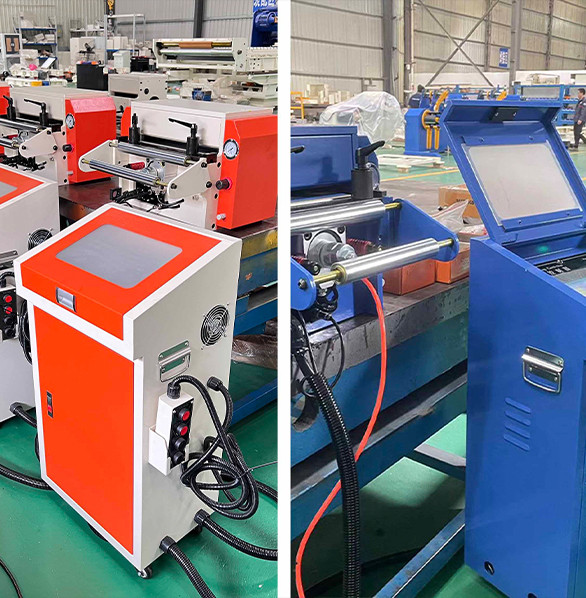
Every rejected stamping part is a small pile of paid-for material, consumed machine time, and die wear that returns nothing.
In high-volume press shops the scrap rate quietly decides whether the month is profitable or merely busy, and one of the most underestimated causes of rejects sits upstream of the die, in the feeding system.
An NC servo feeder does far more than pull strip into the press; it sets the consistency that the die depends on. When feed length drifts, when strip feeds at an angle, or when material enters with residual bow, the die turns that inconsistency into rejects.
This guide explains the specific ways an NC servo feeder reduces stamping rejects, which defects it can eliminate, and how to tune your line so that quality holds at 200 SPM instead of degrading with speed.
Why Feed Consistency Is the Root of Rejects
Think of the die as a machine that assumes the strip is always in exactly the right place.
The pilot pins locate the strip against features from the previous station, and if the strip arrives a fraction of a millimeter short or long, the die either forces the material into a misaligned shape or produces a part with thinning, burrs, or incomplete form.
Pneumatic and mechanical feeders struggle to hold pitch under speed changes because their motion is not precisely controlled at every instant.
An NC servo feeder drives the strip with a closed-loop servo motor that knows its position continuously, so every feed stroke lands the strip at the same place whether the press runs at 60 SPM or 200 SPM.
That repeatability is the single most direct way feeding equipment reduces stamping rejects, because it removes the variable the die cannot compensate for.
Consistency also protects the die itself. Mis-fed strip that is forced into the die causes overload, which dulls edges and can crack inserts. The cost of a reject is not only the part; it is the accelerated wear that makes the next thousand parts gradually worse.
Shops that stabilize feeding with an NC servo feeder report that die maintenance intervals stretch noticeably, because the die is no longer absorbing the errors of an erratic feed.
In our experience across 200+ active line installations, the lines with the lowest reject rates are the ones where feed accuracy is treated as a process parameter, not an accessory.
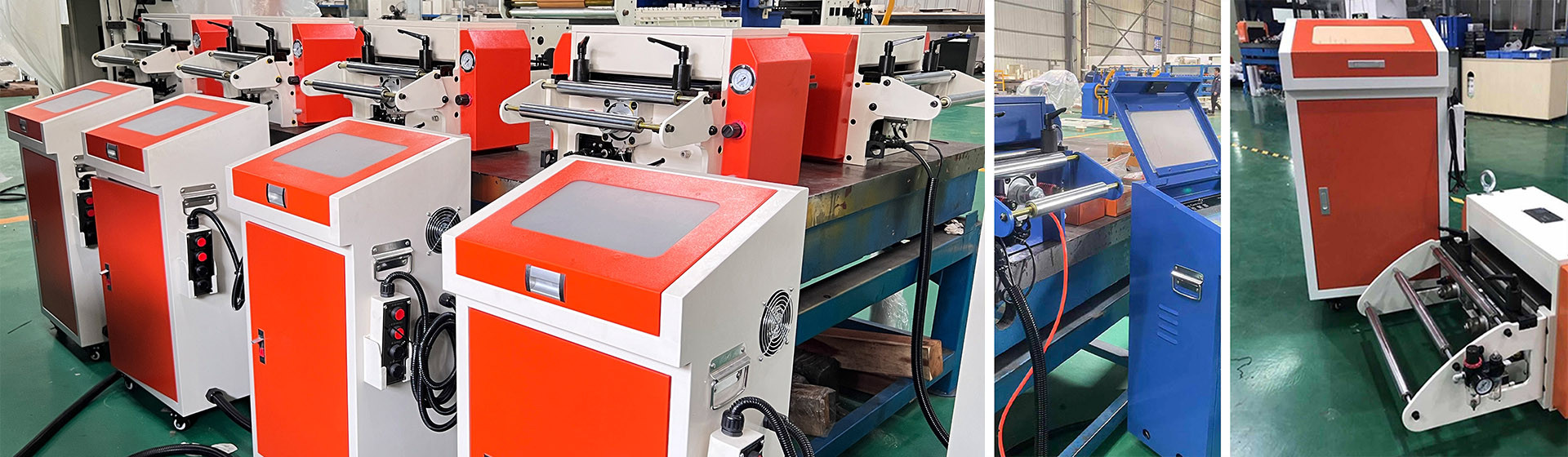
Which Rejects an NC Servo Feeder Can Eliminate
Not every defect comes from feeding, but a surprising number trace back to it. Pitch error shows up as miss-struck or double-blanked parts when the feed length wanders.
To get these benefits, the feeder must be set up correctly, and that is where many shops fall short. The feed length must match the die's pitch exactly, the feed angle must be synchronized to the press stroke, and the strip must enter the die level.
When you pair an NC servo feeder with a straightener in a coordinated line, as in a 3-in-1 decoiler straightener feeder, the strip is leveled, fed, and timed in one controlled path, removing the hand-off points where errors creep in.
FANTY lines hold ±0.05 mm feeding accuracy, which is the practical limit most progressive dies can use before pilot pins take over.
| Reject Type | Typical Root Cause | How an NC Servo Feeder Helps |
|---|---|---|
| Pitch / miss-struck parts | Feed length drift at speed | Closed-loop servo holds ±0.05 mm pitch |
| Skewed or one-sided dimensions | Strip enters die at an angle | Straight, square feed path with guide rolls |
| Twisted or bowed formed parts | Residual strip stress | Paired straightener removes coil set |
| Burrs and edge damage | Feeding before die fully opens | Crank-angle synchronization with the press |
| Thinning and cracks | Material forced into misalignment | Repeatable positioning every stroke |
| Scrap from changeover | Manual setup errors | Stored recipes recall full job setup |
Beyond the Feeder: A Stable Line Reduces Rejects
An NC servo feeder is the heart of feeding accuracy, but it works best in a line that removes the other sources of variation.
Choosing between separate units and an integrated line is a practical question. A standalone NC servo feeder is the right answer when you already own a reliable decoiler and straightener, because it upgrades the feeding stage with closed-loop accuracy without replacing the rest of the line.
An integrated 3-in-1 decoiler straightener feeder makes more sense for new lines, compact floors, or thin-to-medium materials, because it shortens the material path and removes the alignment hand-offs between separate machines.
Both configurations share the same core: a servo-driven feed that holds pitch and timing, which is what actually cuts rejects.
The same logic applies to the straightening stage, because an NC Straightener Feeder that levels the strip before the servo feed meters it removes the residual stress that turns into twisted parts.
The best configuration depends on your existing equipment, your floor space, and the materials you run, and a quick conversation with an engineer can settle it in minutes.
What should not be negotiable is the feed accuracy itself, because no amount of die tweaking can compensate for a feeder that cannot repeat its position.
That is why FANTY designs and builds the decoiler, straightener, and feeder as one integrated line, from the heavy-duty decoiler that holds the coil steady to the straightening rolls that flatten the strip to the NC servo feeder that meters it into the die.
With 12 years of stamping experience, a 45,000 square meter factory, 370 staff, and more than 80 R&D engineers, we have seen thousands of reject problems and know which ones feeding equipment can solve and which ones need process changes.
CE certification, careful testing, and documented setup procedures are part of how we make quality repeatable rather than accidental.
- Confirm the feed length matches the die pitch exactly for every job.
- Synchronize the feed release to the press crank angle, not just the speed.
- Keep the coil centered so the strip enters the feeder square.
- Use the straightener to remove coil set before the strip reaches the die.
- Track rejects by defect family so feeding issues are visible, not hidden.
- Store job recipes so every changeover restarts from a known-good setup.
Stamping Quality FAQ
How much can an NC servo feeder reduce stamping rejects?
Shops with drift-related pitch and angular defects typically see those reject families drop by most of their volume after installing a servo feeder, because the root cause is removed. Exact numbers depend on your process, but consistent ±0.05 mm feeding removes the dominant variable.
Do I need a straightener too, or is the feeder enough?
If your material has coil set or crossbow, the feeder cannot fix it; the strip must be flat before it is metered. A straightener paired with the NC servo feeder handles both, which is why integrated 3-in-1 lines produce the lowest reject rates.
Why does feed accuracy drop on some feeders at high speed?
Open-loop or mechanical feeders lose position under dynamic load and speed changes. A closed-loop NC servo feeder measures its actual position continuously and corrects in real time, holding accuracy at 200 SPM as well as at low speed.
How do I check whether my rejects are feeding-related?
Group your rejects by defect type and note which station produces them. Pitch, skew, and edge-damage defects that vary with speed or coil are usually feeding-related; defects that appear only with certain materials may be straightening-related; and consistent defects at one station point to the die.
Related reading
- setting up for fast stamping
- which part limits feeding accuracy
- how to hold feed accuracy on a coil line
Part of the the coil line guide library — the full library of coil handling, straightening and feeding guides from FANTY.
Cut Stamping Rejects with a Precision NC Servo Feeder
Send us your material range and defect samples, and our stamping engineers will recommend the right line configuration.
Talk to an Engineer