How to Speed Up Coil Changeover with an NC Servo Feeder?
- Share
- publisher
- David Park - Senior Stamping Engineer, FANTY Machinery
- Issue Time
- Aug 10,2026
Summary
A guide to cutting coil changeover time on stamping lines: where the minutes go, which decoiler and NC servo feeder features matter, and a realistic time comparison by line type.
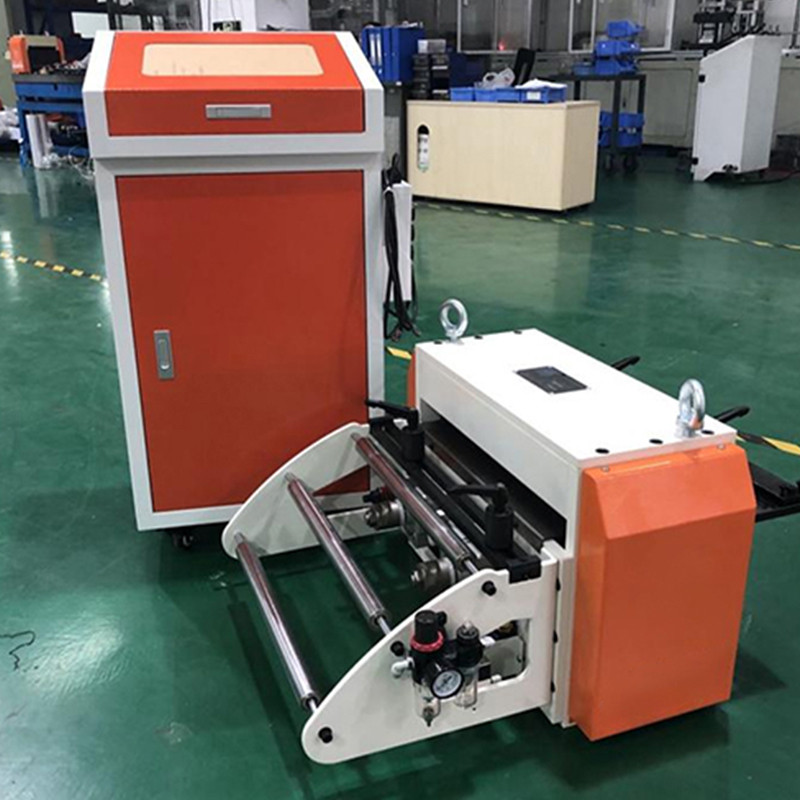
Every coil changeover is a pause in production, and in a stamping shop those pauses add up fast. A line that changes coils in 40 minutes and runs five coils a day loses more than three hours a day to changeover; cutting that to 15 minutes recovers over two hours of press time every single day.
The machine at the heart of this improvement is the decoiler, working together with the NC servo feeder and straightener.
This guide breaks down where changeover time actually goes, and shows how an integrated NC straightener feeder line with a well-designed decoiler turns coil changes from a bottleneck into a routine two-person job.
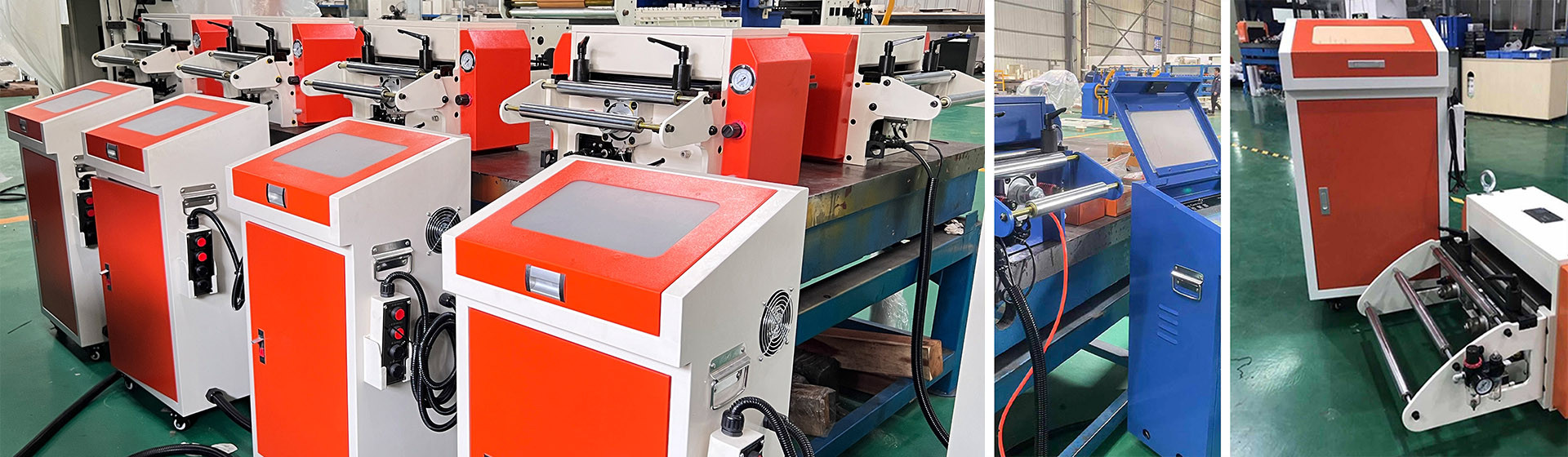
Where Changeover Time Actually Goes
Strip the changeover process down to its steps and the time reveals itself: stopping the line, cutting the strip, retracting the tail, unloading the spent core, loading the new coil, centering it on the mandrel, threading the strip through the straightener and the feeder, and re-establishing the correct feed length.
The second biggest time sink is threading. On a line with separate units, the operator must feed the strip through the straightener rolls by hand, align it with the feeder gripper, and often make a few test feeds before the pitch stabilizes.
An integrated 3-in-1 decoiler straightener feeder removes most of that manual threading because the material path is short, fixed and aligned by design. The operator loads the coil, presses the start sequence, and the machine pulls the strip through automatically.
The Features That Make a Decoiler Changeover Fast
Not all decoilers change coils at the same speed, and the difference is in the details. A hydraulic expansion mandrel grips the new coil instantly without the operator tightening segments manually.
When the decoiler is integrated with an NC servo feeder into a single line, the benefits multiply. The feeder's gripper and the straightener's pinch rolls work together in an automatic threading sequence, and stored material programs recall the correct pitch, feed speed and straightening parameters for the new coil.
The operator no longer re-enters settings by hand, which removes both time and the risk of entering yesterday's parameters for today's material.
Typical Changeover Time by Line Type
These figures are realistic baselines for a mid-size press line with a trained operator, using coils of similar inner diameter:
| Line Configuration | Typical Changeover Time | Operators Required | Key Limitation |
|---|---|---|---|
| Manual decoiler + separate feeder | 35–50 minutes | 2–3 | Hand centering and manual threading |
| Hydraulic decoiler + separate NC feeder | 20–30 minutes | 2 | Threading through separate straightener |
| 3-in-1 decoiler straightener feeder | 12–18 minutes | 1–2 | Coil weight and crane handling time |
| 3-in-1 with automatic threading | 8–12 minutes | 1 | Strip tail preparation only |
Treat these as planning numbers, not guarantees. Real changeover time depends on crane availability, coil storage layout and operator experience. But the ordering is consistent: every automatic feature on the decoiler and every integration step on the feeder removes a fixed block of minutes from every changeover, and those minutes compound over hundreds of changes per year.
Seven Ways to Cut Changeover Time Today
- Standardize coil inner diameters. If every coil uses the same ID, the mandrel never needs adjusting between coils.
- Stage the next coil during production. Prepare the new coil next to the line while the current coil still runs.
- Pre-set the strip tail. Cut and prepare the outgoing strip so the tail releases cleanly from the mandrel.
- Use stored recipes. Let the NC servo feeder recall pitch, speed and straightening settings for each material program.
- Keep the coil storage area clear. Slow crane movements during changeover are often the hidden minutes nobody records.
- Train two operators identically. Changeover time varies wildly with who does it; standardize the procedure.
- Time every changeover. What gets measured gets improved; a simple log will show where the minutes are going.
The Payback of a Faster Changeover
Consider a plant running eight coils per week. At 40 minutes per changeover, that is over five hours a week of non-productive time. Moving to a 3-in-1 decoiler straightener feeder at 15 minutes per changeover recovers more than three hours per week, or roughly 150 hours per year of press time. At typical shop rates, that recovered time alone can justify a significant share of the machine investment, before considering the reduction in operator fatigue and the improvement in first-part quality after each change.
FANTY has supplied integrated coil feeding lines to more than 200 installations in over 60 countries, and its engineers design every decoiler and NC servo feeder around the customer's actual coil handling routine.
With a 45,000 square meter factory, 370 employees and 12 years of stamping line experience, FANTY understands that the minutes between coils are as valuable as the strokes between them.
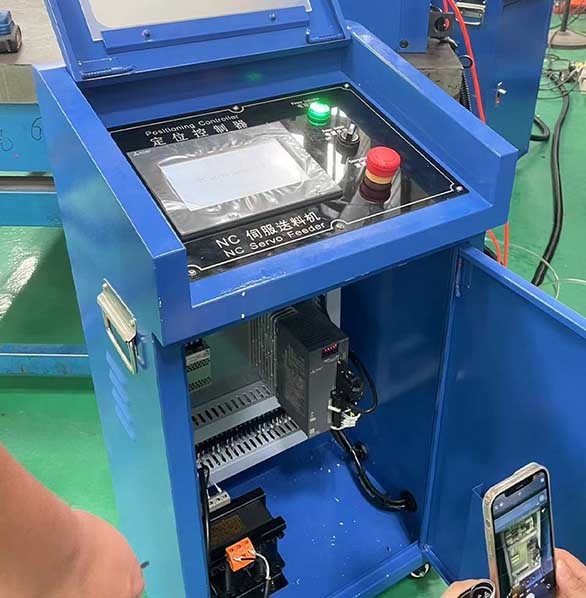
Threading and First-Part Verification
After the new coil is loaded and centered, the next minutes are spent threading the strip through the straightener and into the feeder gripper, then confirming the pitch before releasing the line to full speed.
An integrated 3-in-1 decoiler straightener feeder handles most of this automatically. The operator inserts the strip head into the entry guide, closes the pressure arm, and triggers the threading sequence; the straightener pinch rolls and the feeder gripper pull the strip through at a slow, controlled speed.
Stored recipes then set the pitch, the feed speed and the straightening intermesh for the material just loaded.
The first part verification is also faster, because the line has fewer variables that could have been set incorrectly, so the first good part appears after one or two test feeds instead of a full trial-and-error session.
Verification discipline still matters. Measure the first three parts, compare them with the drawing, and check that the strip lies flat through the die without camber.
If the recipe was stored from a previous successful run, the first-part check usually passes immediately, which is precisely the point: the operator is verifying, not debugging. Debugging belongs in the past, and a well-run changeover routine should feel almost boring.
Frequently Asked Questions
How much changeover time can a 3-in-1 machine actually save?
Most plants see changeover times drop by half or more compared with separate machines. The savings come from eliminating hand centering on the mandrel, reducing manual threading, and recalling stored feed parameters. A line that took 40 minutes typically lands in the 12 to 18 minute range once the operators are trained and the procedure is standardized.
Do I need a new decoiler to speed up changeover?
Not always. If your decoiler has a hydraulic expansion mandrel and motorized side guides, adding an integrated NC straightener feeder with stored recipes may already deliver most of the benefit. The biggest single improvement is usually automatic threading and parameter recall, which come with the feeder and straightener rather than the decoiler itself.
What if my coils have different inner diameters?
Standardize the inner diameter where possible, because mandrel adjustment time disappears entirely. Where the coil supply forces mixed IDs, choose a decoiler with a wide, fast hydraulic expansion range and clear mandrel position indicators, and practice the adjustment step so it becomes a quick routine rather than a puzzle.
Is faster changeover worth it for low-volume jobs?
Yes, and even more so. Low-volume stamping means more changeovers per month, so the fixed minutes per change dominate. A plant that changes coils ten times a week saves over 400 hours a year by cutting changeover from 40 to 12 minutes. For job shops, changeover speed is often the difference between taking or missing a short-run order.
Related reading
- setting up for fast stamping
- which part limits feeding accuracy
- how to hold feed accuracy on a coil line
Part of the the coil line guide library — the full library of coil handling, straightening and feeding guides from FANTY.
Speed Up Your Coil Changeover
Tell us your coil sizes, changeover routine and press schedule, and our engineers will show you the fastest practical configuration for a decoiler and NC straightener feeder line.
Request a Changeover Study