Servo Feeder vs Pneumatic Feeder: Which Wins?
- Share
- publisher
- David Park - Senior Stamping Engineer, FANTY Machinery
- Issue Time
- Aug 4,2026
Summary
Servo feeder vs pneumatic feeder: accuracy, speed, cost of ownership, maintenance, and a decision framework to choose the right press feeder.
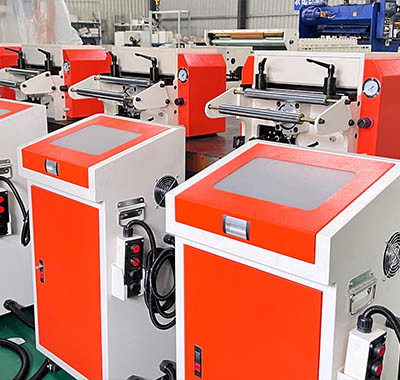
Choosing between a servo feeder and a pneumatic feeder is one of the first technical decisions a stamping plant faces when building a new line or replacing old feeding equipment. Both systems feed strip material into a press, but they work in fundamentally different ways and suit very different applications.
A servo feeder uses a servo motor and closed-loop control to move material with digital precision, while a pneumatic feeder uses an air cylinder with mechanical stops.
This comparison covers accuracy, speed, cost, maintenance, and flexibility, and gives you a clear decision framework so you can pick the servo feeder or pneumatic feeder that fits your production reality.
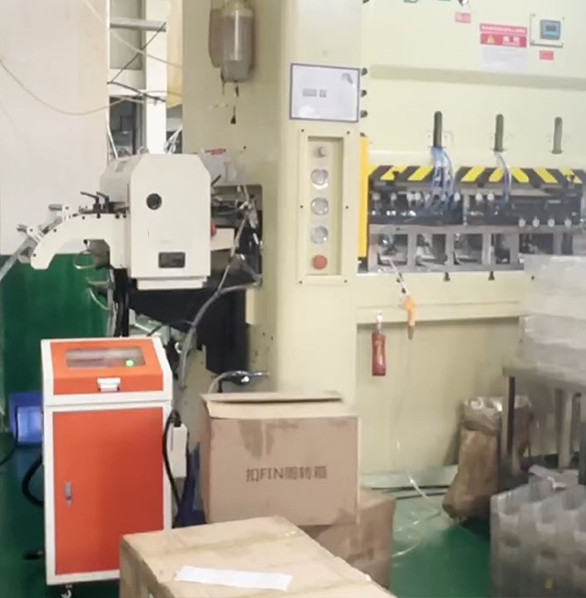
How Servo Feeders and Pneumatic Feeders Work
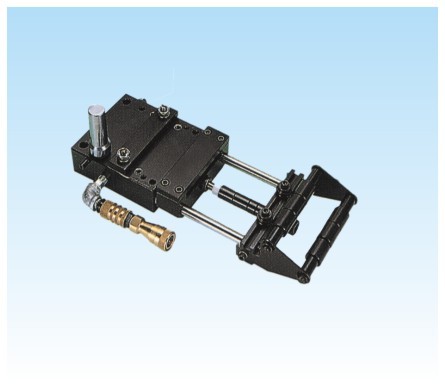
A pneumatic feeder clamps the strip between two rolls, advances it with a reciprocating air cylinder, and locks the position with adjustable mechanical stops. The feed length is set by repositioning those stops, which limits the feeder to a fixed stroke per cycle.
The system is simple, inexpensive, and tough, which is why pneumatic feeders remain popular for low-speed operations with short, fixed feed lengths.
A servo feeder, by contrast, drives the feed rolls with a servo motor under closed-loop control. The controller programs the feed length in the touch screen, and an encoder on the motor or rolls verifies the actual position on every cycle, correcting any deviation immediately.
Feed length can be changed in seconds without touching the machine, and a single servo feeder can handle a wide range of lengths and speeds with consistent accuracy.
The difference in control philosophy explains every other difference between the two systems. Pneumatic feeders are mechanical and deterministic by setup; servo feeders are electronic and programmable. For a plant running many part numbers with frequent changeovers, that distinction alone often decides the purchase.
Servo Feeder vs Pneumatic Feeder: Side-by-Side Comparison
The table below summarizes the key differences. Use it as a quick reference, then read the detailed sections that follow for the reasoning behind each row.
| Comparison Factor | Servo Feeder | Pneumatic Feeder |
|---|---|---|
| Feeding accuracy | ±0.05 mm typical | ±0.2 mm or worse |
| Feed length change | Instant, touch-screen entry | Manual stop repositioning |
| Maximum speed | 200+ SPM with long feeds | Usually below 120 SPM |
| Feed length range | Millimeters to meters, programmable | Fixed stroke, limited range |
| Initial investment | Higher | Lower |
| Energy consumption | Lower per part, motor on demand | Compressed air continuous cost |
| Maintenance | Servo drive and encoder, low wear | Valves, cylinders, seals wear faster |
| Automation integration | PLC/network ready, recipe storage | Limited, hardwired signals |
| Multi-tool flexibility | Excellent for frequent changeovers | Poor for frequent changeovers |
| Best application | Precision, high-speed, varied parts | Simple, low-speed, fixed-length parts |
Read the table carefully and you will notice that the two feeders are not really competitors in the same market; they occupy different tiers of the feeding hierarchy. The question is not which technology is better in the abstract, but which one matches your parts, speeds, and changeover frequency.
Accuracy and Speed: Where Servo Feeders Pull Ahead
Accuracy is the single biggest differentiator. A pneumatic feeder relies on mechanical stops and the repeatability of its cylinder stroke, so accuracy typically lands around ±0.2 mm and drifts as the stops wear or the air pressure fluctuates.
A servo feeder, on the other hand, compares the measured position with the programmed target on every cycle. FANTY's NC servo feeders hold ±0.05 mm in production, which protects expensive progressive dies and keeps scrap minimal.
At high speed the gap widens further: pneumatic feeders struggle above roughly 120 SPM because the cylinder and stops cannot accelerate and decelerate reliably, while servo feeders run comfortably at 200 SPM and beyond with long feed lengths, because the motor profile is optimized electronically for each stroke.
If your line runs progressive dies, high speeds, or parts with tight tolerances, the accuracy and speed difference alone justifies the higher purchase price of a servo feeder. The scrap you save in the first year often exceeds the price difference.
Cost of Ownership: More Than the Purchase Price
Pneumatic feeders win on initial price, and for a simple, slow, single-product line that may be the right economic answer. But the total cost of ownership tells a different story.
Servo feeders consume power only when the motor actually runs, and the drive electronics are extremely reliable with minimal wearing parts. They also save money in indirect ways: faster changeovers mean more productive press time, recipe storage eliminates setup errors, and precise feeding reduces material waste.
For most plants, the payback on a servo feeder upgrade is well under two years, even when the sticker price is two or three times higher.
There is also a labor dimension. Setting feed length on a pneumatic feeder means loosening stops, measuring, and tightening them again; on a servo feeder it means typing a number on a touch screen and pressing save. Over a year of daily changeovers, the accumulated setup time is substantial, and the reduced error rate is worth real money.
How to Decide: A Practical Decision Framework
Use this simple framework to choose. Answer these four questions honestly, and the right technology will reveal itself.
- What tolerance must your parts hold?
Above ±0.1 mm with simple dies, a pneumatic feeder may suffice. Below that, choose a servo feeder to protect quality and the die.
- What is your press speed and feed length?
Over 120 SPM or long feed lengths favor a servo feeder, where the motor profile keeps pace with the press cycle.
- How often do you change parts?
Frequent changeovers make servo feeders pay for themselves quickly through setup time and recipe storage.
- What is your five-year production plan?
If you expect higher speeds, tighter tolerances, or more product variety, buy the servo feeder now instead of upgrading later.
If you are still undecided, consider the direction of the market. Almost every modern stamping plant that upgrades its feeding system moves from pneumatic or mechanical feeders to servo feeders, and the remaining pneumatic feeder market is shrinking to the simplest applications.
Buying a servo feeder today future-proofs your line, simplifies your spare parts inventory, and gives your operators a single control platform to learn.
Why FANTY Servo Feeders Deliver
FANTY has manufactured coil feeding equipment for 12 years, with a 45,000 m² factory, 370 employees, and more than 80 R&D engineers dedicated to servo control and mechanical design.
Servo Feeder vs Pneumatic Feeder FAQ
Is a servo feeder always better than a pneumatic feeder?
No. For simple, low-speed, fixed-length stampings with loose tolerances, a pneumatic feeder is cheaper and perfectly adequate. A servo feeder becomes clearly better when you need accuracy below ±0.1 mm, speeds above 120 SPM, long feeds, or frequent changeovers.
Can I retrofit a servo feeder onto an existing pneumatic feeder line?
Yes. Servo feeders mount directly on the press or on a stand, and most suppliers, including FANTY, offer retrofit kits that include the servo drive, motor, rolls, and controller. The press control can usually be integrated with a simple signal interface.
How long does it take to change feed length on a servo feeder?
Seconds. The operator enters the new length on the touch screen and the controller recalculates the motor profile automatically. On a pneumatic feeder, changing feed length means loosening and resetting mechanical stops, which takes several minutes and is prone to error.
What maintenance does a servo feeder require?
Very little: keep the rolls clean and properly pressured, lubricate bearings per schedule, and check the encoder and cables periodically. Servo drives are solid-state and highly reliable, with far fewer wearing parts than pneumatic valves and cylinders.
How much more does a servo feeder cost than a pneumatic feeder?
Typically two to three times the initial price for comparable size. However, the payback usually comes from reduced scrap, higher speed, faster changeovers, and lower energy and maintenance costs, often within 12 to 24 months for a busy line.
Related reading
Part of the the coil line guide library — the full library of coil handling, straightening and feeding guides from FANTY.
Not sure which feeder fits your press line? Send FANTY your part drawings and press specifications, and our application engineers will recommend the right servo feeder model with accuracy, speed, and budget details.
Get My Feeder Recommendation →Fanty · NC Straightener Feeder
Still Fighting Strip Memory After Straightening?
Send the strip thickness, material grade and target flatness. We specify roll diameter, roll count and NC feed pitch so the line holds tolerance from the first coil, not the fiftieth.
Get a Free QuoteFANTY Machinery · 13 years on stamping automation · 2,000+ coil lines installed · engineers reply within 24 hours