What Causes Common Stamping Feeder Problems and How to Fix Them?
- Share
- publisher
- David Park - Senior Stamping Engineer, FANTY Machinery
- Issue Time
- Jul 29,2026
Summary
Learn the most common stamping feeder problems, their root causes, and practical solutions. Includes diagnostic steps and preventive maintenance checklist from FANTY.
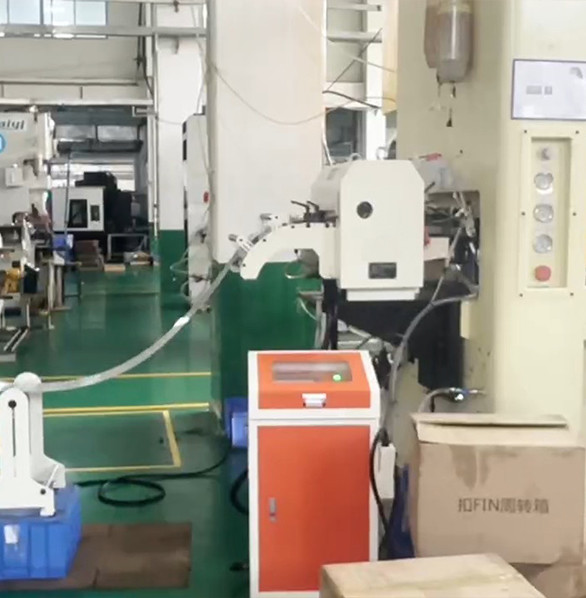
Every stamping operation encounters feeder problems — inconsistent feed length, material slippage, misfeeds, and unexpected downtime. Understanding the root causes of these stamping feeder problems can help you diagnose issues faster and keep your press line running at peak efficiency.
This guide covers the most common feeder issues, their causes, and practical solutions you can implement today without waiting for a service technician.
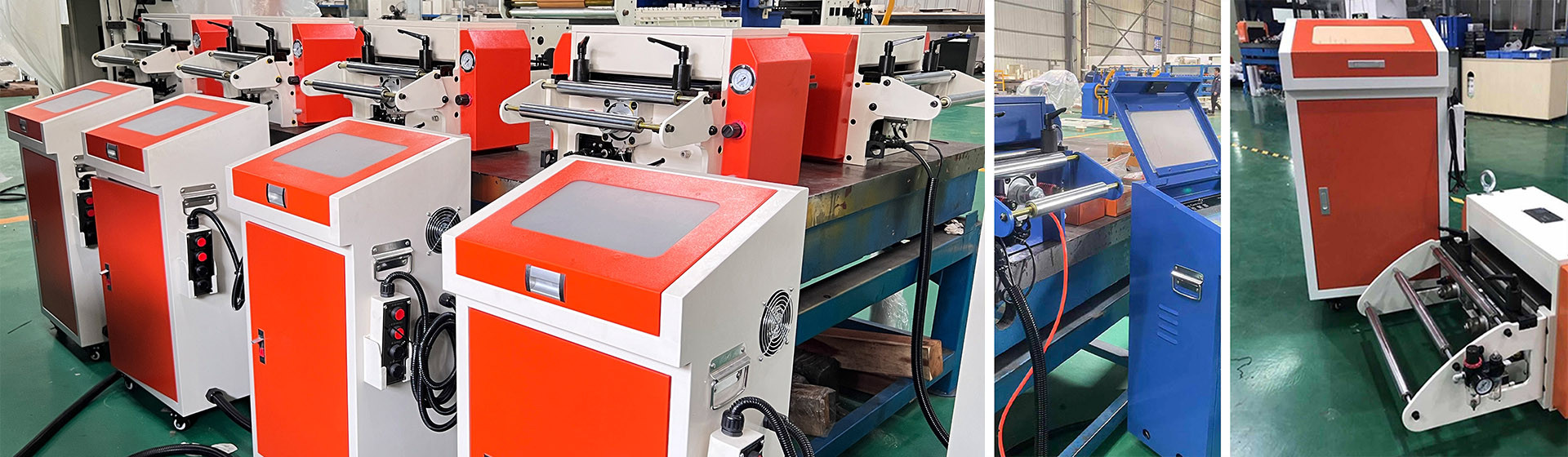
Common Feeder Problems, Symptoms, and Root Causes
| Problem | Symptoms | Most Likely Cause | Quick Fix |
|---|---|---|---|
| Inconsistent feed length | Parts vary in size; pilot pins misalign | Roller pressure too low; encoder coupling loose | Check air pressure; tighten coupling set screws |
| Material slippage | Scored or marked strip surface | Roller wear; wrong surface type for material | Replace rollers or adjust pressure |
| Misfeed / no feed | Press stops; alarm sounds | Material jam at straightener exit | Clear jam; check photoeye alignment |
| Feed length drifts during run | Parts get longer or shorter progressively | Servo motor overheating; encoder drift | Let motor cool; verify encoder coupling |
| Strip wandering sideways | Edge damage; inconsistent trim width | Centerline misalignment; side guides loose | Realign to feeder center; adjust guides |
| Excessive vibration | Noisy operation; inconsistent feed | Worn bearings; loose mounting bolts | Tighten bolts; replace bearings if worn |
How to Diagnose Feeder Problems Step by Step
When a feeder problem occurs, follow this diagnostic sequence rather than randomly adjusting settings. Start by checking the mechanical components — rollers, bearings, belts, and mounting bolts — as these account for approximately 60% of all feeder issues. Loose components or worn parts create instability that shows up as inconsistent feeding. Next, verify sensor alignment and encoder coupling condition. A misaligned sensor or loose encoder coupling can cause the feeder to receive incorrect position feedback, leading to positioning errors that appear to be mechanical problems.
After checking mechanical and sensor systems, review the control parameters: programmed feed length, acceleration profile, deceleration rate, and press synchronization timing. In many cases, a parameter was changed accidentally or a new die requires different settings.
Finally, keep a log of when problems occur — patterns can reveal root causes. Problems that happen only with certain coil lots may indicate material quality issues. Problems that occur at specific times of day may relate to temperature changes affecting machine alignment.
Preventive Maintenance Checklist
Preventing problems before they occur is always the most cost-effective approach. Follow this schedule to keep your feeder running reliably:
- Daily: Clean feed rollers with a soft cloth to remove oil and debris; check all lubrication points; verify encoder coupling is tight; listen for unusual noises during operation
- Weekly: Measure actual feed length against programmed length using a tape measure; inspect drive belts for wear or cracking; check pneumatic pressure at each station
- Monthly: Inspect roller surface condition for wear or damage; check all bearings for play; verify sensor alignment and cleanliness; review alarm logs for recurring issues
- Quarterly: Perform full calibration check using a precision measurement tool; replace worn feed rollers if feed length deviation exceeds 0.1 mm; service gearbox and lubricate all moving parts
FANTY recommends keeping a spare parts kit that includes commonly replaced items: a set of feed rollers, encoder couplings, drive belts, and spare sensor modules.
When to Call for Professional Support
While many feeder problems can be resolved in-house with the diagnostic steps above, certain situations require manufacturer support.
Frequently Asked Questions
How do I know when feed rollers need replacement?
Signs include visible wear marks on the roller surface, reduced grip causing material to slip at the same pressure setting, or increasing dimensional variation in stamped parts. Most feed rollers last 1-2 million cycles under normal operating conditions with regular cleaning.
Can poor material quality cause feeder problems that look like mechanical failure?
Yes — this is one of the most common misdiagnoses. Coils with inconsistent thickness across the width, excessive crown, or poor surface quality can cause feeding issues that appear to be feeder malfunctions. Always verify material quality against specifications before performing mechanical troubleshooting.
How often should I calibrate my NC servo feeder?
FANTY recommends a full calibration check every 6 months or 500,000 cycles, whichever comes first. Weekly verification of feed length against a known standard is good practice for high-precision applications requiring ±0.05 mm accuracy.
What spare parts should I keep on hand for my feeder?
A basic spare kit should include: one set of feed rollers, two encoder couplings, two drive belts, one spare photoeye sensor, and assorted seals and O-rings. FANTY can provide a customized spare parts recommendation based on your specific feeder model.
Related reading
- setting up for fast stamping
- which part limits feeding accuracy
- how to hold feed accuracy on a coil line
Part of the the coil line guide library — the full library of coil handling, straightening and feeding guides from FANTY.
Having feeder problems you can't solve? Contact FANTY's support team for remote diagnostics and expert troubleshooting assistance.