What Is a Coil Press Blanking Line? Beginner’s Guide to Setup, Benefits & How It Works
- Share
- Issue Time
- Feb 2,2026
Summary
New to coil press blanking lines? Discover what they are, how they work, key components (decoiler, feeder, press), benefits for automotive & appliance parts, and tips for beginners.
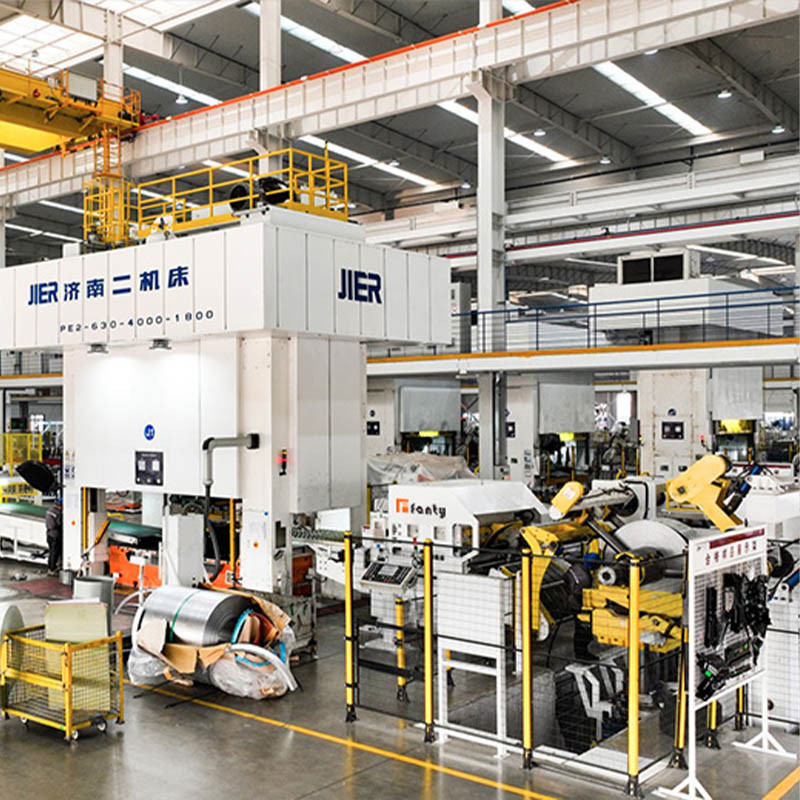
If you're running a metal fabrication shop, automotive stamping line, or appliance manufacturing facility and you're tired of handling stacked sheets manually—or dealing with inconsistent blanks that cause downstream issues—you've probably heard the term "coil press blanking line." But what exactly is it, and why are more factories switching to this setup? In this beginner-friendly guide, we'll walk through the basics, how the process works, key benefits, and when it makes sense to invest. (Spoiler: If you're producing medium-to-high volumes of flat or shaped blanks, it can transform your efficiency.)
What Exactly Is a Coil Press Blanking Line?
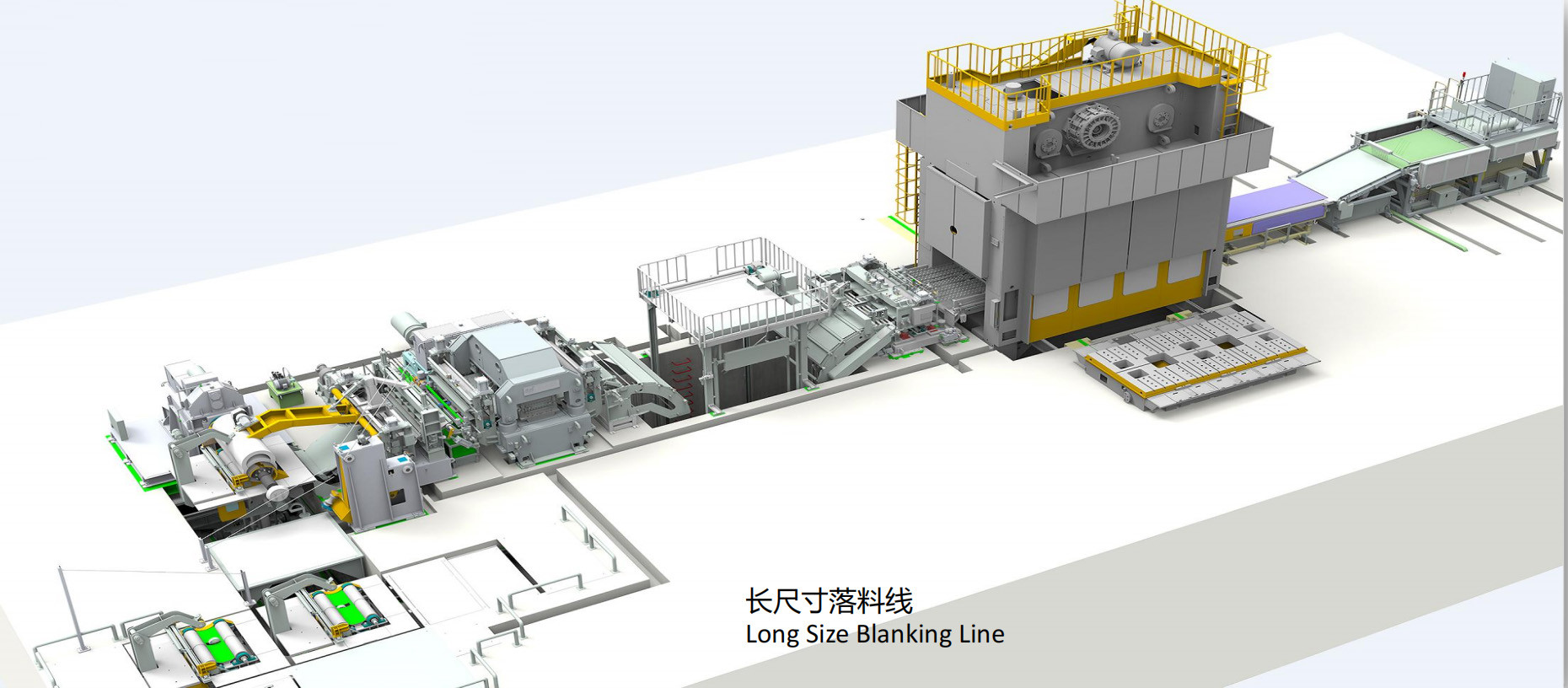
A coil press blanking line is an automated production system that starts with a large metal coil (steel, aluminum, stainless, etc.) and transforms it into flat or shaped "blanks" — the pre-cut pieces ready for stamping, forming, or welding in the next stage.
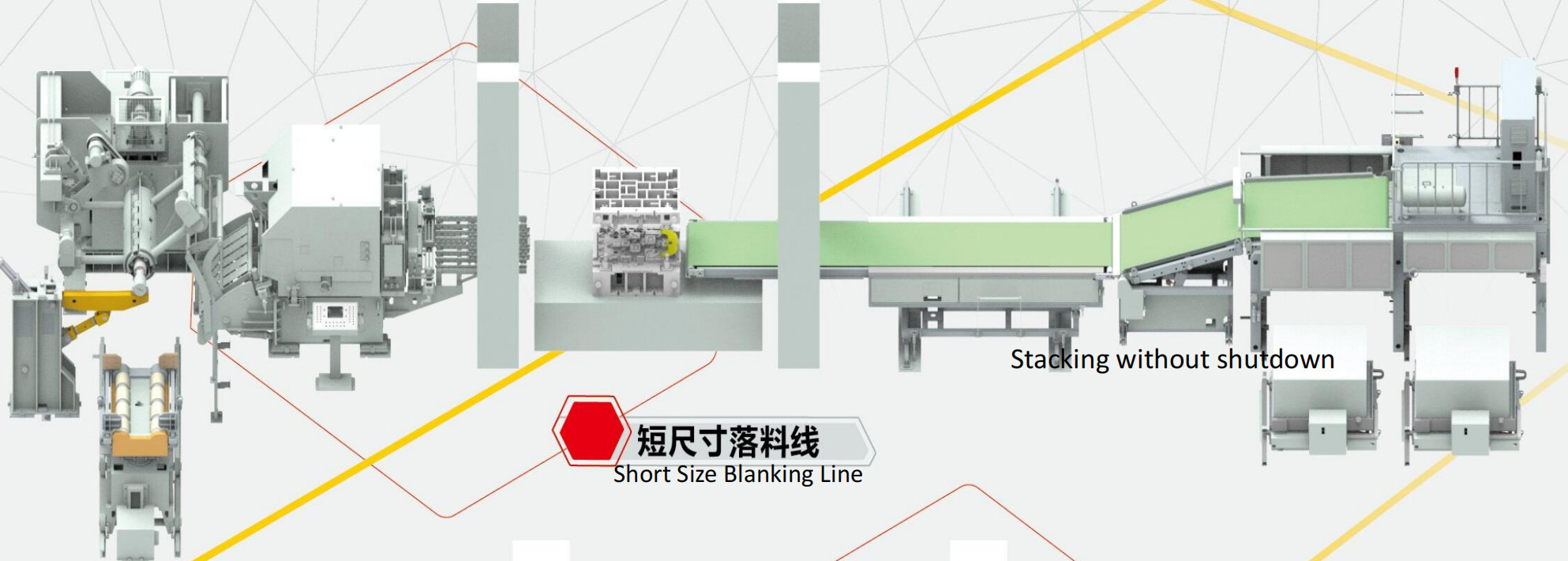
Unlike traditional methods where you manually load pre-cut sheets into a press, a coil-fed blanking line keeps everything continuous: uncoil → level → feed precisely → blank (cut/punch) → stack. This eliminates manual handling, reduces scrap, and achieves tighter tolerances—often ±0.1mm or better—crucial for automotive panels, appliance housings, hardware, and structural parts.
Two main types exist:
- Cut-to-Length Blanking Line: Uses a shear to produce rectangular/square blanks of fixed length.
- Press Blanking Line (Coil Press Blanking): Uses a mechanical or hydraulic press with dies to punch complex or irregular shapes directly from the coil.
Most modern automotive and appliance producers prefer the press type for its flexibility and speed (20–80 strokes per minute depending on material and size).
How Does a Coil Press Blanking Line Actually Work? (Step-by-Step for Beginners)
- Coil Loading & Decoiling
The line starts with a heavy-duty decoiler (uncoiler) that holds and slowly unwinds the master coil (often 5–30 tons). A peeler/snake helps thread the leading edge safely. - Straightening / Leveling
The strip passes through a precision straightener or leveler (usually 4–17 rolls) to remove coil set, bow, and internal stresses—ensuring flat blanks downstream. - Precise Feeding
A servo feeder (or roller/gripper feeder) advances the strip in exact increments into the press—critical for consistent blank size. - Blanking (Press Cutting)
The press (400–2000 ton range) with custom dies punches out the blanks. Scrap is chopped or wound away; good parts drop or convey to stacking. - Stacking & Output
Blanks are neatly stacked (often with robotic arms or magnetic stackers) and ready for transfer to forming presses.
Key Benefits Beginners Should Know Before Investing
Why switch from manual sheet loading or simple cut-to-length? Here are the real-world advantages we see every day:
- Higher Output & Lower Labor: Continuous coil feed = fewer operators needed (often 1–2 vs. 4–6 for sheet-by-sheet).
- Better Material Utilization: Nesting software + precise feeding = 5–20% less scrap than manual methods.
- Superior Flatness & Accuracy: Integrated leveling + servo control = blanks ready for tight-tolerance stamping.
- Flexibility: Handles multiple coil widths/thicknesses; quick die change for different blank shapes.
- ROI Timeline: Many factories recover investment in 12–24 months through uptime and material savings.
Why Choose Fanty for Your First (or Next) Coil Press Blanking Line?
At Fanty Machinery, we've been building and customizing coil processing lines since 2013 right here in Dongguan, China. Our 45,000㎡ facility and 80+ R&D engineers specialize in end-to-end solutions—including coil press blanking lines integrated with our signature decoiler straightener feeders (DSF series).
Customers choose us because:
- Precision engineering: Radial runout <0.01mm, HRC60±2 rollers for long life.
- Customization: From 400-ton mechanical presses to high-speed servo lines tailored to your blank size & material.
- Proven track record: Over 2,000 successful cases worldwide, including automotive and appliance giants like BYD.
- CE-certified quality + reliable after-sales: Remote diagnostics, spare parts, and on-site support.
Whether you're upgrading from manual operations or adding capacity, our team can help you design a line that fits your budget and production goals. Curious? Visit our About Us page to learn more about Fanty—or reach out for a free consultation.
Quick Beginner FAQ: Your First Questions Answered
Q: How much does a basic coil press blanking line cost?
A: Entry-level lines start around $150,000–$400,000 USD depending on press tonnage, coil capacity, and automation level. Fanty offers cost-effective options with strong ROI.
Q: Can it handle high-strength steel (AHSS)?
A: Yes—modern lines like ours use reinforced levelers and heavy-duty feeders designed for AHSS up to 1500 MPa.
Q: Is it suitable for small factories?
A: Absolutely—for medium volumes (500–2000 tons/month), a compact line pays off quickly. We customize footprint and speed to match.
Fanty · Coil Handling Equipment
Let an Engineer Size Your Decoiler in 24 Hours
Tell us what your press consumes per shift and we work backwards to the decoiler capacity, coil car and control mode your line really needs. If a smaller model does the job, we say so.
Get a Free QuoteFANTY Machinery · 13 years on stamping automation · 2,000+ coil lines installed · engineers reply within 24 hours