What Size Decoiler Do You Need for Your Coil?
- Share
- publisher
- David Park - Senior Stamping Engineer, FANTY Machinery
- Issue Time
- Jul 31,2026
Summary
Complete guide to selecting the right decoiler size for your coil. Covers weight, width, ID, OD, and material thickness parameters from FANTY.
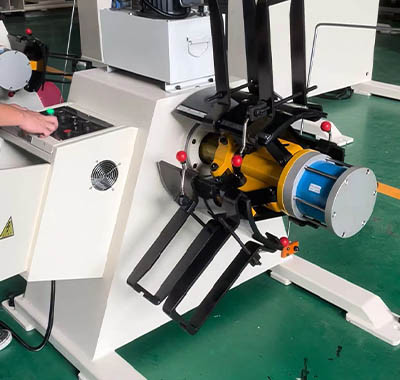
Selecting the correct decoiler size for your coil stock is a fundamental decision that affects the efficiency, safety, and quality of your entire stamping operation. An undersized decoiler causes coil binding, material damage, and frequent coil changes. An oversized decoiler wastes capital and floor space.
Getting the sizing right from the start ensures smooth material flow, minimal downtime, and maximum return on investment. In this guide, FANTY Machinery walks you through every parameter you need to consider to find the perfect decoiler size for your specific coil specifications.
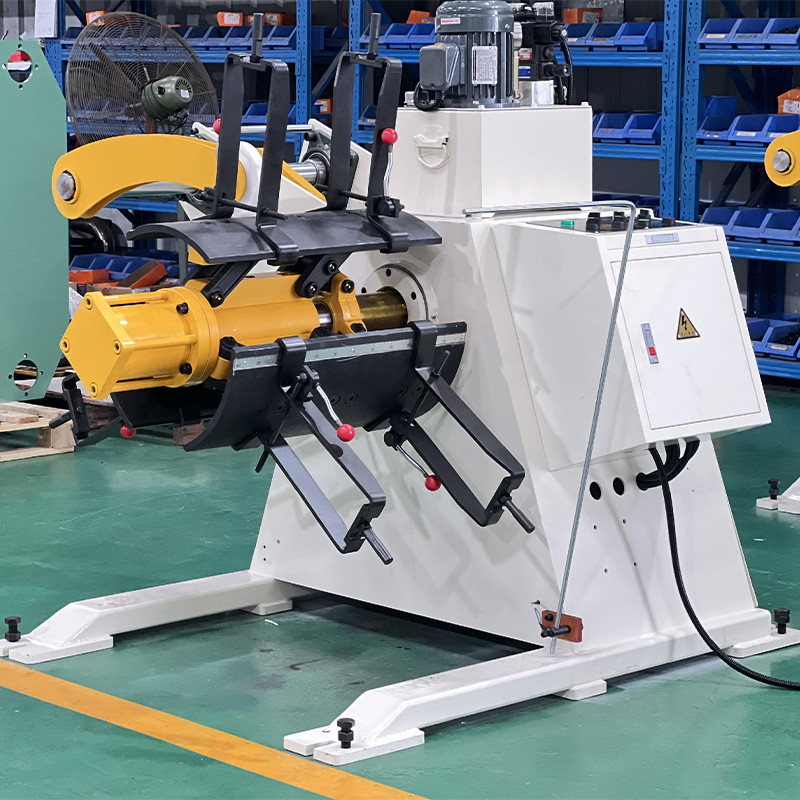
Choosing the right decoiler size ensures smooth material flow into your stamping press.
The Five Key Parameters for Decoiler Sizing
Before you can answer "what size decoiler do I need?", you must define five parameters based on your coil specifications. Each parameter independently constrains the decoiler selection:
| Parameter | Symbol | Typical Range | Impact on Decoiler Selection |
|---|---|---|---|
| Coil Weight | W (kg / ton) | 500 kg – 20 tons | Determines decoiler load capacity, mandrel strength, and support arm design |
| Coil Width | Wc (mm) | 50 – 1,600 mm | Determines decoiler arm clearance, side guide spacing, and overall machine width |
| Coil Inner Diameter (ID) | ID (mm) | 300 – 610 mm | Determines mandrel expansion range and minimum/maximum mandrel diameter |
| Coil Outer Diameter (OD) | OD (mm) | 800 – 2,000 mm | Determines decoiler overall height, hold-down roller position, and loading clearance |
| Material Thickness | t (mm) | 0.2 – 12 mm | Influences decoiler motor torque, braking system, and uncoiling speed range |
Step 1: Determine Coil Weight Capacity
Coil weight is the most critical parameter for decoiler sizing. The decoiler must have a load capacity that exceeds your heaviest coil by at least 20% for safety margin. Here is how coil weight influences decoiler design:
- Light duty (≤1 ton): Manual-expanding mandrel, simple support arms, typically used for narrow strip (50–200 mm width) in small press shops. Suitable for prototyping, jewelry, and small part production
- Medium duty (1–5 tons): Hydraulic-expanding mandrel, motorized expansion, integrated hydraulic arm control. The most common category for general stamping shops producing automotive, appliance, and hardware components. FANTY's medium-duty decoilers serve the majority of our 200+ installed lines
- Heavy duty (5–15 tons): Heavy-gauge steel frame, reinforced mandrel with dual support, servo-driven expansion, integrated coil loading car. Used in automotive body panel, structural component, and large appliance production
- Extra heavy (15–30 tons): Dual-mandrel design with independent hydraulic systems, heavy-duty gearbox, and reinforced base plate. Used in steel service centers, automotive OEM lines, and heavy industrial stamping
FANTY's decoiler range covers capacities from 500 kg to 30 tons, all CE-certified and manufactured in our 45,000 m² ISO 9001 facility.
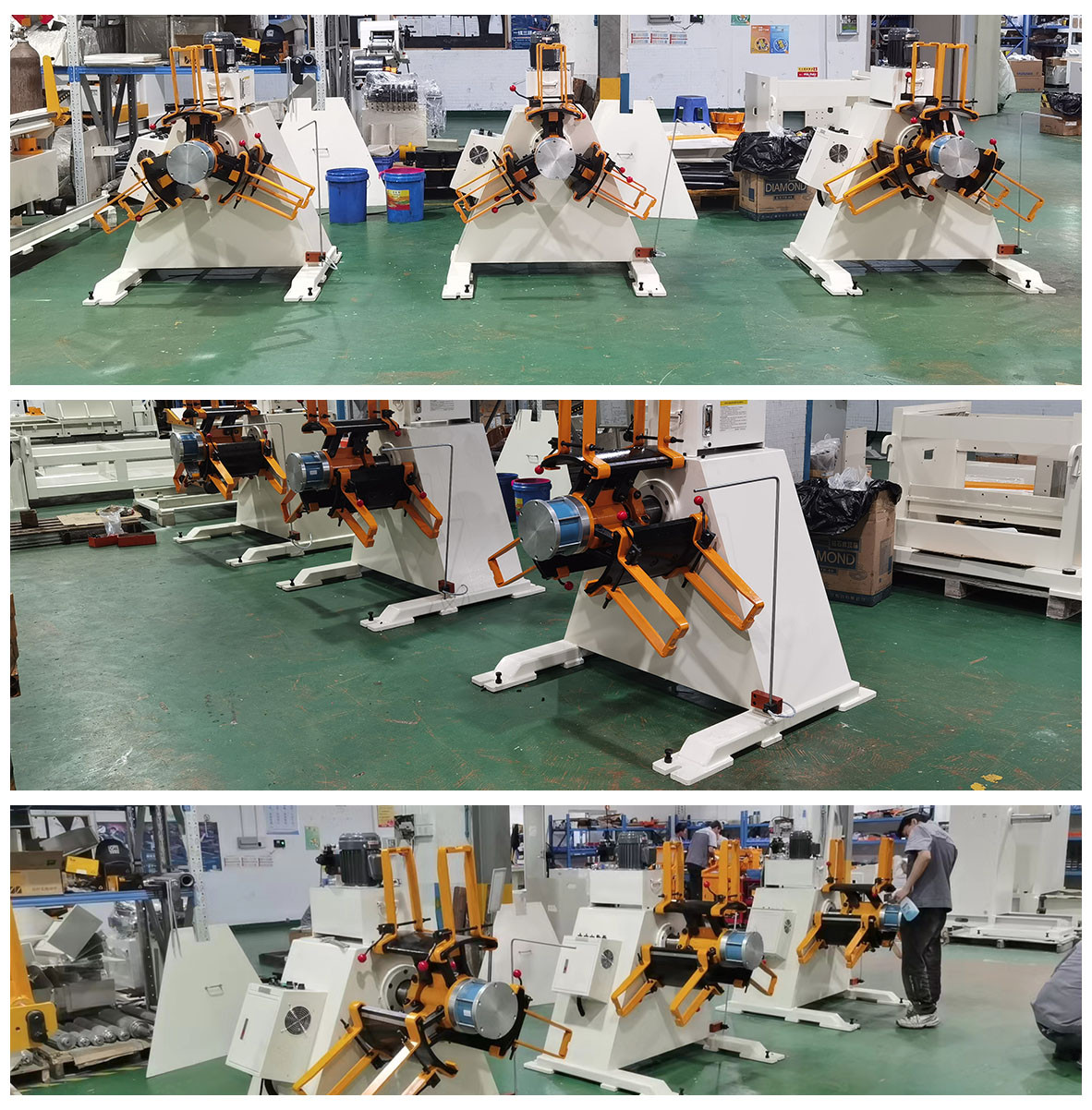
Step 2: Match the Coil Width to the Decoiler
Coil width determines the distance between the decoiler's side guide plates (also called guide arms). Proper side guide alignment keeps the strip centered as it uncoils and enters the straightener or feeder. Key rules for width matching:
- The decoiler width capacity must exceed your maximum coil width by at least 50 mm for side guide adjustment range
- If you run multiple coil widths, choose a decoiler with motorized or quick-adjust side guides to minimize changeover time
- Narrow coils (under 100 mm) require specialized guide inserts or centering cones to prevent strip wandering
- Wide coils (over 800 mm) need reinforced guide arms and additional support rollers to prevent sagging
- For progressive die operations with tight strip guidance requirements, consider adding photoelectric edge guide sensors that adjust the decoiler position automatically
Step 3: Consider Coil ID and Mandrel Expansion Range
The mandrel is the heart of the decoiler. It expands outward to grip the coil's inner diameter securely. Standard mandrel expansion ranges are:
- 300–450 mm ID: Common for small to medium coils. Typical mandrel range: 280–320 mm expanding to 380–420 mm. Available with 3-segment or 4-segment expanding leaves
- 450–508 mm ID: Standard for medium to large coils. Mandrel range: 420–460 mm expanding to 500–530 mm. This is the most common ID range in the stamping industry
- 508–610 mm ID: Large coils, often used in automotive lines. Mandrel range: 480–520 mm expanding to 580–630 mm. Requires high-torque hydraulic expansion mechanism
FANTY's decoilers feature proprietary 4-segment expanding mandrels with hardened steel wear plates for long service life. Each mandrel is precision-machined to ensure concentricity within 0.1 mm, minimizing coil vibration during uncoiling.
Step 4: Evaluate Coil OD and Machine Height
The coil outer diameter affects the machine footprint and the overhead clearance needed. After the coil is loaded onto the mandrel, the hold-down roller or anti-overlooping device rests on the coil surface. Key considerations:
- For coils up to 1,200 mm OD, standard decoiler height is adequate. The hold-down arm pivots from the top of the machine frame
- For coils above 1,200 mm OD, check that your facility has sufficient overhead clearance for the hold-down arm in its raised position. The maximum height of the raised arm should not exceed 3 meters for most workshops
- Large OD coils (over 1,500 mm) require a larger decoiler base footprint for stability. FANTY provides dimensional drawings with every quotation for your facility layout planning
- Coil OD changes as the coil unwinds, affecting the strip payout angle. Modern decoilers with loop control sensors automatically adjust the uncoiling speed to maintain consistent strip tension regardless of coil diameter
FANTY Decoiler Sizing Support
Standard Models
FANTY offers 15 standard decoiler models covering coil weights from 500 kg to 30 tons and widths from 100 mm to 1,600 mm. Most models are available for quick delivery.
Custom Configurations
For non-standard coil dimensions or special applications, our 80+ R&D engineers design custom decoiler configurations. We have delivered custom decoilers for automotive, aerospace, and heavy equipment manufacturers.
Integrated Solutions
A decoiler is only one component of the line. FANTY provides matched decoiler, straightener, and feeder packages with integrated controls for seamless operation. Our 370-person team ensures every component is properly sized and synchronized.
Global References
With over 200 installed lines in 60+ countries and 12 years of continuous manufacturing, FANTY has the experience to recommend the right decoiler size for any application. Contact us for application-specific recommendations.
Decoiler Sizing Checklist
Use this checklist when specifying your decoiler to ensure you have covered all sizing parameters:
- What is the maximum coil weight you will process? (Add 20% safety margin)
- What is the maximum and minimum coil width?
- What is the coil inner diameter range?
- What is the maximum coil outer diameter?
- What is the material type and thickness range?
- What is the required uncoiling speed (m/min)?
- Do you need a motorized or manual expansion mandrel?
- Do you need a coil loading car or overhead crane loading?
- What is the available floor space and overhead clearance?
- What downstream equipment will the decoiler feed (straightener, feeder, press)?
Frequently Asked Questions About Decoiler Sizing
What happens if I choose an undersized decoiler?
An undersized decoiler cannot support the full coil weight, leading to mandrel deformation, bearing failure, and potential safety hazards. The coil may also bind on the mandrel, causing material damage and unpredictable strip feeding. In severe cases, the decoiler frame may crack under the load, requiring complete replacement.
Can one decoiler handle multiple coil sizes?
Yes, most decoilers are designed with adjustable mandrels and side guides to accommodate a range of coil IDs and widths. FANTY decoilers typically support a 100 mm ID expansion range and a wide width adjustment range with motorized side guides. However, you should size the decoiler for your largest coil to ensure safe operation across all sizes.
What is the difference between a decoiler and a coil cradle?
A decoiler uses an expanding mandrel to grip the coil ID and rotate it, paying out strip from the outside of the coil. A coil cradle is a simpler device with rollers that support the coil OD and allow it to uncoil freely without a mandrel.
Decoilers offer better tension control and are preferred for automated lines, while cradles are simpler and lower cost for manual operations.
How much floor space does a decoiler need?
A standard medium-duty decoiler (5-ton capacity, 400 mm width) requires approximately 1.5 × 1.8 meters of floor space, plus clearance for coil loading and the hold-down arm. Large decoilers for 15-ton coils may require 2.5 × 3 meters. FANTY provides detailed layout drawings for every model to assist your site planning.
Should I choose a motorized or non-motorized decoiler?
For automated stamping lines running at 60+ SPM, a motorized decoiler with variable speed control is essential. It provides consistent strip tension and prevents overlooping. Non-motorized (pull-off) decoilers are suitable for low-speed manual operations where the downstream press or feeder pulls the strip directly from the coil.
Get Expert Decoiler Sizing Advice from FANTY
Choosing the right decoiler size doesn't have to be complicated. FANTY Machinery's engineering team can review your coil specifications and recommend the optimal decoiler model for your application.
Related reading
- what causes coil telescoping
- how much coil weight a decoiler handles
- how to specify a decoiler for a coil line
Part of the the coil line guide library — the full library of coil handling, straightening and feeding guides from FANTY.