What Size Decoiler Do You Need for Your Metal Coil Processing Line?
- Share
- publisher
- David Park, Senior Stamping Engineer at FANTY Machinery
- Issue Time
- Jul 29,2026
Summary
Guide to choosing the right decoiler size. Coil weight, width, and mandrel selection tips from FANTY.
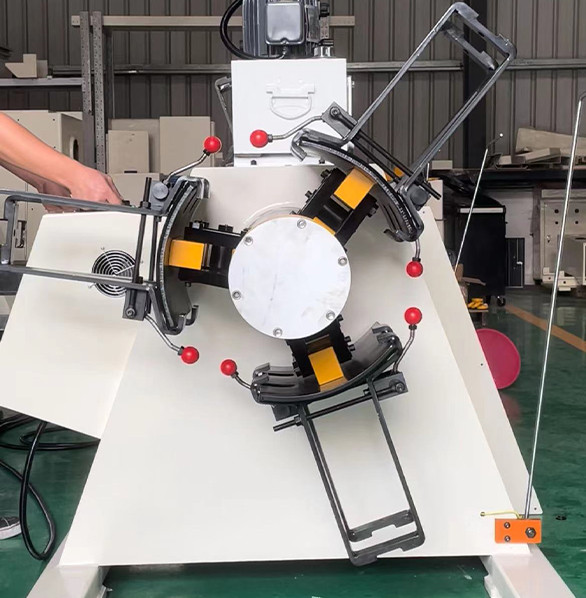
Choosing the right decoiler size is essential for stable coil feeding and production efficiency. A decoiler that is too small will be overloaded and fail prematurely; one that is too large wastes money and floor space.
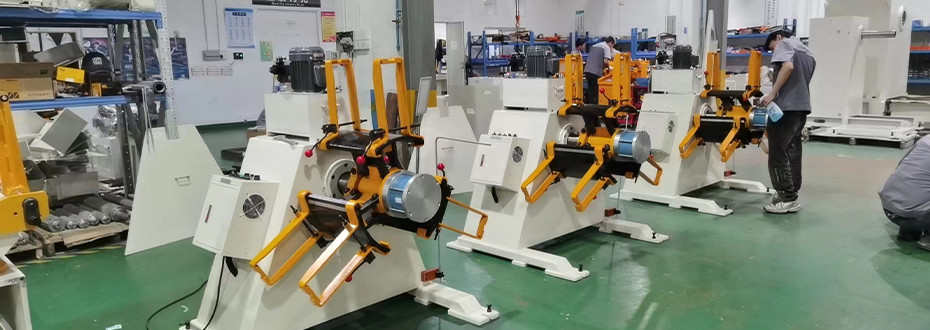
Key Considerations
| Factor | What to Evaluate | FANTY Recommendation |
|---|---|---|
| Material Specs | Type, thickness, width, weight, yield strength | Define all five before comparing options |
| Automation Level | Manual, semi-auto, or fully automatic | Match to your production volume and mix |
| Control Quality | Servo brand, PLC brand, HMI features | Yaskawa + Mitsubishi delivers best reliability |
| After-Sales Support | Warranty, response time, spare parts | FANTY: 12mo warranty, 4hr tech response |
| Total Cost of Ownership | Purchase + install + 5yr maintenance | Quality machine costs less over 5 years |
The three critical dimensions for decoiler sizing are coil weight capacity, material width, and mandrel expansion range. Getting these right is essential for stable and reliable coil feeding. Coil weight determines the bearing capacity, structural strength, and drive system needed. Manual decoilers handle up to 500 kg — suitable for light-duty applications in small workshops. Motorized decoilers handle 500 to 3,000 kg — the most popular choice for mid-volume stamping lines. Hydraulic decoilers handle 3,000 to 20,000 kg — required for high-volume automotive and heavy-gauge processing. Material width determines the mandrel length and side guide position, typically available from 200 mm to 1,600 mm in standard increments.
The mandrel expansion range must match your coil inner diameter, which is typically 450-530 mm for standard steel coils. Some applications may require non-standard mandrel sizes, which FANTY can provide as a custom option.
Always size your decoiler for your heaviest and widest expected coil, then add a 20% safety margin for production flexibility. An undersized decoiler operating near its maximum rating will experience accelerated bearing wear, reduced service life, and increased downtime.
FANTY offers a complete range of decoilers from light-duty manual units starting at $800 to heavy-duty hydraulic models with coil cars and automatic centering. All machines are CE-certified, built with heavy-duty components, and backed by 12 years of manufacturing experience and global customer support.
Key Takeaways
- Define your material specifications before comparing any options
- Match automation level to your production volume and mix
- Evaluate total cost of ownership, not just purchase price
- Choose a supplier with proven experience and reliable support
- FANTY offers CE-certified machines built with premium components
FAQ
What is the most important factor when selecting this equipment?
Defining your material specifications first. Every other decision depends on accurate material data. Start with thickness, width, coil weight, material type, and required production precision.
How does FANTY ensure product quality?
FANTY operates a 45,000 m² facility with 370 employees and 80+ R&D engineers. All machines are CE-certified, tested under load before shipping, and built with premium components from Mitsubishi, Yaskawa, and Siemens.
What after-sales support does FANTY provide?
FANTY provides remote installation guidance, comprehensive operator training, detailed maintenance documentation, and 4-hour response time for technical inquiries. Remote diagnostic access reduces downtime.
Related reading
- how much coil weight a decoiler handles
- how much floor space a coil line needs
- how to specify a decoiler for a coil line
Part of the the coil line guide library — the full library of coil handling, straightening and feeding guides from FANTY.
Need help selecting the right equipment? Contact FANTY's engineering team for a free consultation and personalized recommendation based on your production data.