Which Work Roll Material Lasts Longest in a Straightener?
- Share
- publisher
- David Park - Senior Stamping Engineer, FANTY Machinery
- Issue Time
- Sep 5,2026
Summary
Compare work roll materials for an NC Straightener Feeder: chrome steel, high-carbon, carbide, and coated rolls, with wear life, cost, and application guidance.
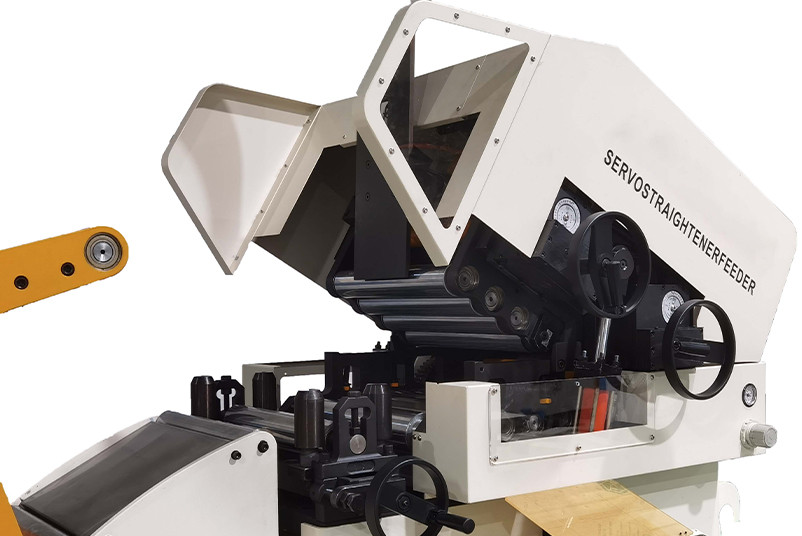
The work rolls are the hardest-working parts of an NC Straightener Feeder. Every meter of strip that passes through the machine bends over the same roll surfaces, and over months of production those surfaces wear, pick up material, and slowly lose the precise geometry that makes strip flat. When the rolls wear, flatness drifts, the strip picks up marks, and the operator compensates by pushing the machine harder, which wears the rolls faster. Choosing the right work roll material is therefore a decision about uptime, part quality, and maintenance cost over the life of the machine. This guide compares the main roll materials used in coil straightening, explains what drives wear, and helps you match the roll to the strip you actually run.
The right answer is rarely the hardest or the most expensive material; it is the material that matches your strip's hardness, surface, and abrasiveness. A roll that lasts five years on mild steel may fail in months on abrasive galvanized strip, while an expensive carbide roll on soft aluminum may be over-engineering that buys nothing.
One more practical point deserves emphasis: the roll material interacts with the straightener setup itself. A harder roll allows a slightly higher penetration setting because it deflects less under load, which can improve flatness on demanding material. A softer or coated roll may require gentler settings to avoid marking the strip. When you change roll material, re-verify the flatness recipe rather than assuming the old settings still apply, and record the new settings under the same grade name so the operator recalls the correct recipe automatically.
What Wears a Work Roll
Three mechanisms wear straightening rolls, and each one points to a different material solution.
- Abrasive wear. Hard particles, mill scale, or zinc spangles on the strip grind the roll surface like sandpaper.
- Adhesive wear (pickup). Soft strip metal transfers onto the roll, building a lump that marks every subsequent meter.
- Fatigue and deformation. Repeated high-pressure contact work-hardens or deforms the roll surface over time.
In practice, a plant running many material grades sees all three, and the dominant mechanism changes with the job. That is why roll material selection starts with a honest list of what you run: grades, hardness, surface condition, and whether the strip is oily, dry, abrasive, or prone to pickup.
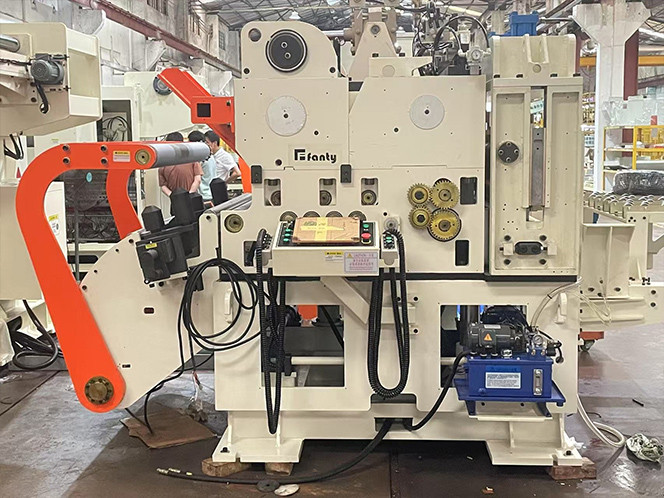 Inspecting work rolls on an NC Straightener Feeder.
Work Roll Materials Compared
The table below compares the four main work roll material families used on coil straightening machines.
| Material | Hardness | Wear resistance | Best for | Relative cost |
|---|---|---|---|---|
| Chrome-plated steel | Medium (surface) | Good on clean strip | Mild steel, general duty | $ |
| High-carbon / alloy tool steel | High (through-hardened) | Excellent, long life | Carbon steel, high-speed lines | $$ |
| Tungsten carbide | Very high | Superior on abrasive strip | Galvanized, abrasive, long campaigns | $$$$ |
| Coated / ceramic rolls | Varies | Good, low pickup | Soft or sticky strip, surface-critical parts | $$$ |
Chrome-plated rolls are the economical default for clean mild steel, and their plated surface resists the mild wear of normal stamping strip. High-carbon tool steel rolls are through-hardened, so they keep their geometry far longer than a plated surface once the plating wears, which makes them the workhorse choice for high-volume carbon steel lines. Tungsten carbide is the answer when abrasive strip eats steel rolls quickly, but carbide is brittle and expensive, so it is justified only when the wear data shows it pays back. Coated rolls trade some durability for low pickup, which matters when surface quality is the priority.
Matching the Roll to the Strip
Rather than buying the hardest roll available, match the roll to the strip family you run most often.
- Mild and low-carbon steel: chrome-plated or high-carbon rolls give long, economical life on clean strip.
- High-strength and stainless steel: high-carbon or carbide rolls resist the higher contact pressure and work-hardening.
- Galvanized or abrasive strip: carbide or ceramic rolls survive the zinc and spangle abrasion that wears steel quickly.
- Aluminum, copper, soft alloys: coated or polished low-pickup rolls protect the soft surface from marking.
If your plant runs a genuine mix, consider a roll set optimized for the most demanding grade and accept slightly shorter life on the others, or keep two roll sets and change them with the campaign. The cost of a second set is often less than the scrap generated by using the wrong roll for the wrong material.
Signs Your Rolls Are Ready for Replacement
However good the material, rolls eventually wear, and catching the wear early protects the strip and the machine. Watch for these signs.
- Flatness drifts on a previously stable recipe. The roll geometry has changed and the settings no longer produce the same bend.
- Strip marks appear that are not on the incoming coil. Pickup or surface damage on the roll is transferring to every meter.
- Visible lines, flats, or a shiny band on the roll face. The roll has lost its crown or developed a contact flat.
- Pitch accuracy varies with roll position. An out-of-round roll feeds unevenly.
- Measured roll diameter is below the service limit. The builder's maintenance manual gives the minimum diameter for each roll.
Record the roll diameter at each maintenance interval. A simple trend of the measurements tells you the wear rate and lets you schedule replacement before quality drops, instead of discovering the worn roll through scrap.
Cost per Meter: The Number That Decides
The right way to compare roll materials is not the purchase price but the cost per meter of strip processed. A carbide roll that costs five times a steel roll but lasts ten times longer on abrasive strip is the cheaper roll by half. The calculation is simple: divide the roll set cost by the meters processed before the roll reaches the service limit, and compare the resulting cost per meter across materials.
To make the comparison honestly, keep production records by roll set: which material was fitted, how many meters ran, and why the set was changed. After two or three campaigns, the data will name the winner for your specific strip mix, and you will never again have to guess between the cheap roll and the durable one.
Frequently Asked Questions
How long do work rolls last on an NC Straightener Feeder?
Life depends entirely on the strip: clean mild steel can give several years of service from hardened rolls, while abrasive galvanized strip may wear a steel roll in months. Measure the roll diameter on a schedule and the trend will tell you the real life for your material.
Can I upgrade my straightener to carbide rolls later?
Usually yes, if the roll size and the bearing arrangement are compatible. The builder can confirm whether the existing shafts and housings accept a carbide roll set, and whether the higher roll weight affects the drive or the backup arrangement.
Why does my strip pick up black marks on soft aluminum?
Black marks on aluminum are usually adhesive pickup: aluminum transfers onto the steel roll and then back onto the strip. A coated or polished low-pickup roll, plus clean dry strip, prevents the transfer.
Is a harder roll always the better choice?
No. Harder rolls resist abrasion but can mark soft strip and are more brittle. The correct choice balances the roll hardness against the strip hardness and the surface requirements, which is why the material should match the strip family.
Do I need to replace the whole roll set or just the worn rolls?
Replace as a set or in matched pairs whenever possible. Mixing a new roll with worn rolls changes the effective penetration across the set and makes flatness impossible to set consistently. Matched sets keep the geometry predictable.
Specify the Right Work Rolls for Your Strip Mix
FANTY fits NC Straightener Feeders with the roll material matched to your application, from chrome-plated steel for clean mild strip to carbide sets for abrasive galvanized work. Send us your material list and we will recommend the roll specification with the lowest cost per meter.
Request a Roll Specification