Why Does Pass Line Height Matter on a Straightener Feeder?
- Share
- publisher
- David Park - Senior Stamping Engineer, FANTY Machinery
- Issue Time
- Sep 8,2026
Summary
Why pass line height matters on an NC Straightener Feeder: alignment with the die entry, strip lift and drag, and how to set and check the pass line.
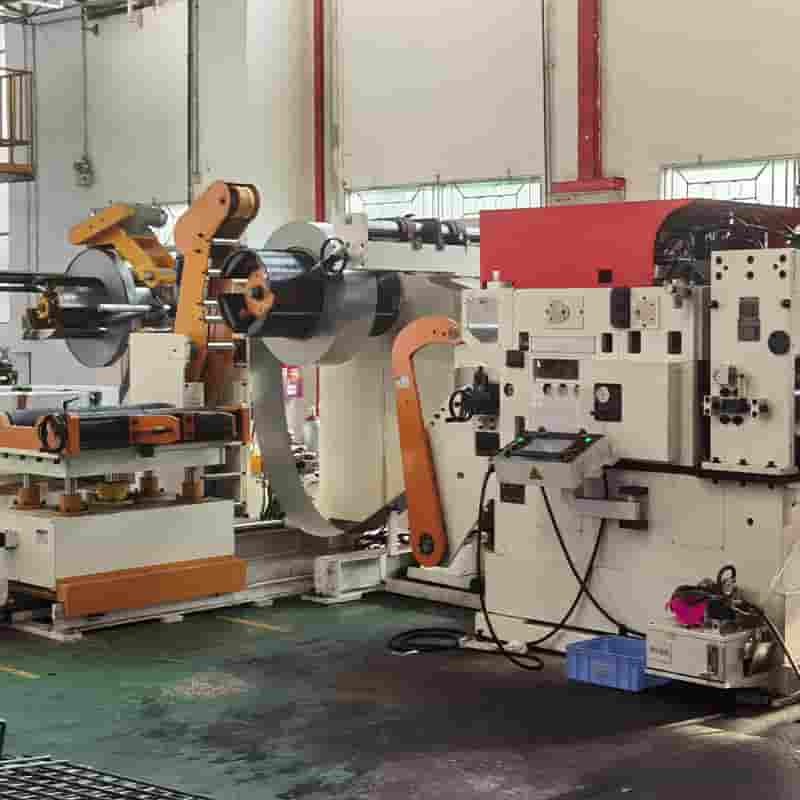
Every coil-fed line has a pass line: the imaginary line along which the strip travels from the decoiler through the straightener and into the die. When the pass line is straight and level, the strip moves smoothly, feeds accurately, and enters the die exactly where the tooling expects it. When it is not, the strip lifts, drags, or twists between the machines, and the symptoms appear everywhere: feed errors, scratched strip, buckled material at the die entry, and dies that wear unevenly. On an NC straightener feeder the pass line is set by the machine's height and the position of the exit guide, and getting it right is a setup step that many plants overlook until the problems force them to revisit it. This guide explains why the pass line matters, what happens when it is wrong, and how to set and verify it.
The pass line is one of those details that seems trivial on paper and becomes critical on the floor. A few millimeters of height error, invisible to the eye, can be the difference between a line that runs all day and one that stops every hour.
For plants that run several dies on one line, the pass line question appears at every die change, because different dies may have their feed openings at slightly different heights. The solution is either a straightener feeder with a small height adjustment range, so the machine can be re-leveled to match each die, or a set of shims and supports that bring the die-side path to the common line. Recording the pass line height used for each die in the setup sheet makes the die change predictable, and it prevents the operator from fighting a strip path problem that was solved once and forgotten.
What the Pass Line Is and Where It Runs
The pass line runs from the center of the coil payoff, through the straightener's work rolls, along the strip support between the straightener and the die, and into the die at the height of the feed opening. Ideally it is one straight horizontal line, because the strip is stiff and does not like to be forced up, down, or sideways over a long unsupported distance.
Each machine on the line is built to a nominal pass line height: the decoiler pays out at that height, the straightener flattens at that height, and the die is designed with its feed opening at that height. When the machines are installed so all three match, the strip travels straight. When one machine sits too high or too low, the strip must bend or drag to bridge the gap, and every problem that follows traces back to that forced deviation.
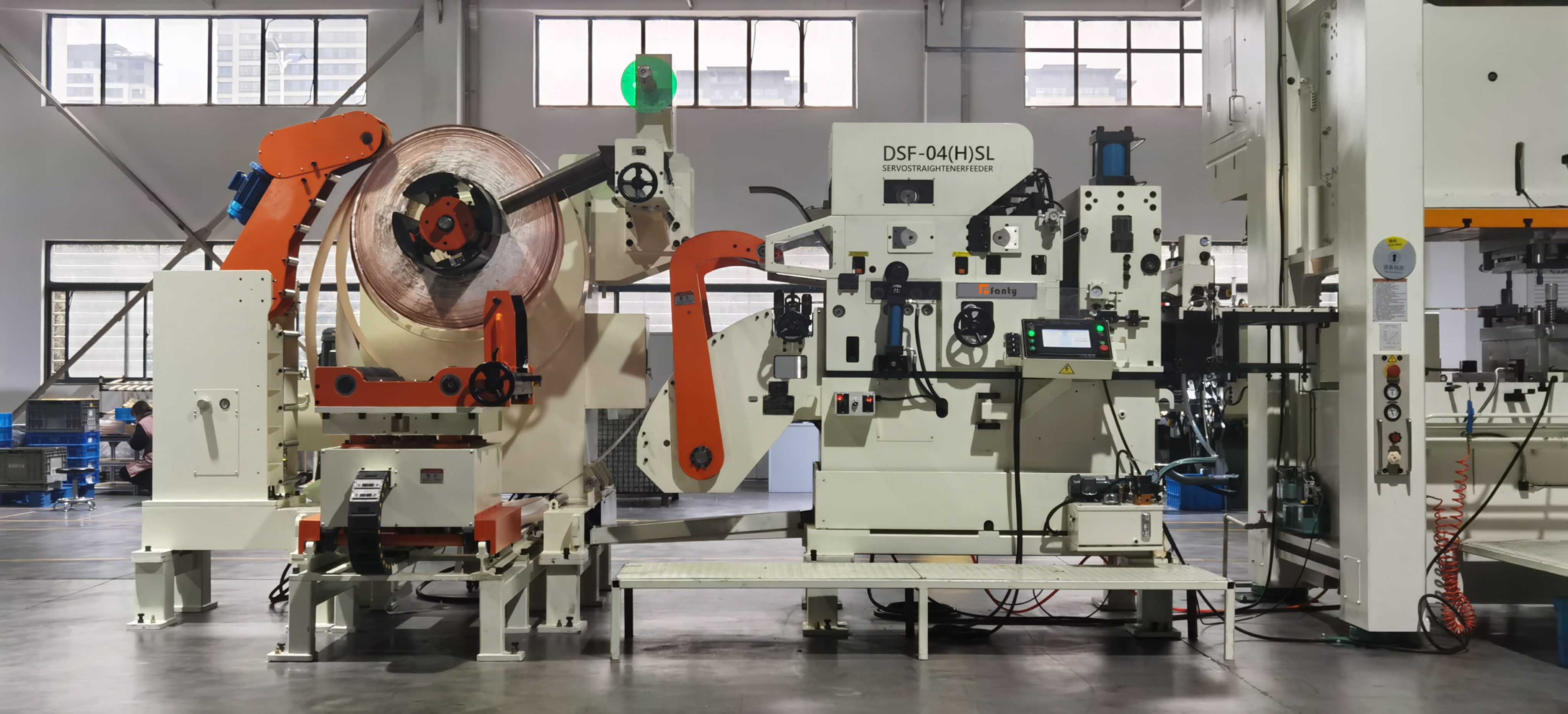 The strip pass line must stay straight from the straightener into the die.
What Happens When the Pass Line Is Wrong
Pass line errors produce a recognizable set of symptoms, and recognizing them points you back to the alignment rather than chasing each symptom separately.
| Symptom | How the pass line causes it | The real fix |
|---|---|---|
| Strip lifts or flutters at the die entry | The straightener exit is below the die entry, so the strip climbs | Raise the straightener or lower the die-side support |
| Strip drags or scores on the support | The straightener exit is above the die entry, so the strip presses down | Lower the straightener or raise the support |
| Feed pitch varies with the strip position | A bowed strip path changes the effective tension and grip | Align the pass line and re-verify the pitch |
| Scratches on the strip underside | The strip rubs on a support edge due to height mismatch | Correct the height and check the support surface |
| Strip buckles between straightener and die | A climbing path compresses the strip against the die entry | Align the pass line so the strip enters straight |
Each symptom has other possible causes, which is why the pass line is checked first: it is cheap to verify and eliminates a whole family of problems at once. When a line develops several of these symptoms together, the pass line is almost always involved.
How the Pass Line Is Set
Setting the pass line is a coordination job between the machine builder and the installer, and it is done in three steps.
- Establish the die height. The die's feed opening height above the floor is the reference that everything else must match.
- Set the straightener and feeder height. The NC Straightener Feeder is leveled and adjusted so its exit pass line matches the die entry.
- Align the decoiler and supports. The decoiler and any intermediate supports are set to the same line, completing the straight path.
The builder's general arrangement drawing specifies the nominal pass line height and the floor mounting dimensions for every machine. The installer's job is to realize that drawing on the actual floor, checking the height at each machine with a level and a string line or a laser, and adjusting the machine feet until the line is true.
Why the Straightener-to-Die Gap Is Special
The gap between the straightener exit and the die entry is the most sensitive part of the pass line, because the strip is unsupported there and must travel straight on its own stiffness. A short gap of a few hundred millimeters is easier to keep straight than a long gap of a meter or more, which is one reason the straightener feeder is positioned as close to the die as the die and the press allow.
In this gap the strip should be straight and level, neither climbing nor sagging. If it climbs, it will be pushed upward as it enters the die and can catch on the die's upper entry edge. If it sags, it drags on the lower support and can buckle when the feed pushes it forward. The ideal is a strip that enters the die exactly at the center of the feed opening, with no contact except the material guide, which is the condition the pass line setup is meant to create.
How to Check the Pass Line on Your Line
You can check the pass line in a few minutes without any special equipment, and it is worth doing whenever a line develops unexplained feed or strip problems.
- Stop the line and release the strip. Make sure the strip is slack and the machines are isolated.
- Lay a straightedge or string along the strip path. From the straightener exit to the die entry, at the strip's center height.
- Measure the gap at each machine. Compare the actual strip height with the straight reference at the straightener exit and at the die entry.
- Check the strip contact. Look for fresh rub marks on the strip edges or underside between the machines.
- Correct any height difference. Adjust the machine feet or the support height, then re-verify.
If the line is newly installed and has never run cleanly, check the pass line before adjusting anything else. If the line has run well and suddenly develops symptoms, re-check the pass line after any event that could shift a machine, such as a moved support, a re-leveled press, or a modified die base.
Frequently Asked Questions
What is a typical pass line height for a coil-fed line?
A common pass line height is around 900 to 1,100 mm above the floor, chosen so the die feed opening and the operator's working height are comfortable. The exact value is set by the die design and confirmed by the builder's general arrangement drawing.
How much pass line error is acceptable?
The tolerance depends on the strip and the gap, but a good rule is to keep the height error under about 1 mm over the straightener-to-die gap. Beyond that, the strip begins to bend or drag in ways that show up as feed and marking problems.
Can I fix a pass line mismatch with a strip support?
A support can bridge a small height difference by guiding the strip, but it does not cure a large mismatch, and a support that forces the strip to bend adds friction and wear. Correct the machine height for a real fix and use supports only for fine adjustment.
Does the pass line affect feed accuracy?
Yes. A strip that climbs or sags between the straightener and the die changes the effective tension and the contact at the feed rolls, which shifts the measured pitch. A straight pass line is a prerequisite for consistent feed accuracy.
Who is responsible for setting the pass line?
The installer sets it during commissioning using the builder's drawing, and the buyer verifies it during the acceptance walk-through. If the die or the press is later modified, the pass line should be re-verified by whoever makes the change.
Get a Line That Feeds Straight from Day One
FANTY provides the pass line height, mounting dimensions, and leveling instructions with every NC Straightener Feeder we supply, and our commissioning engineers verify the alignment before handover. Send us your press and die details for a layout that feeds straight.
Request a Pass Line Layout