Why Is Your Decoiler Not Working Properly? Common Decoiler Problems and Proven Solutions for Higher Productivity
- Share
- Issue Time
- Jun 23,2026
Summary
Learn the most common decoiler problems and preventive maintenance tips. Discover how FANTY decoiler solutions help manufacturers reduce downtime and improve coil feeding efficiency.
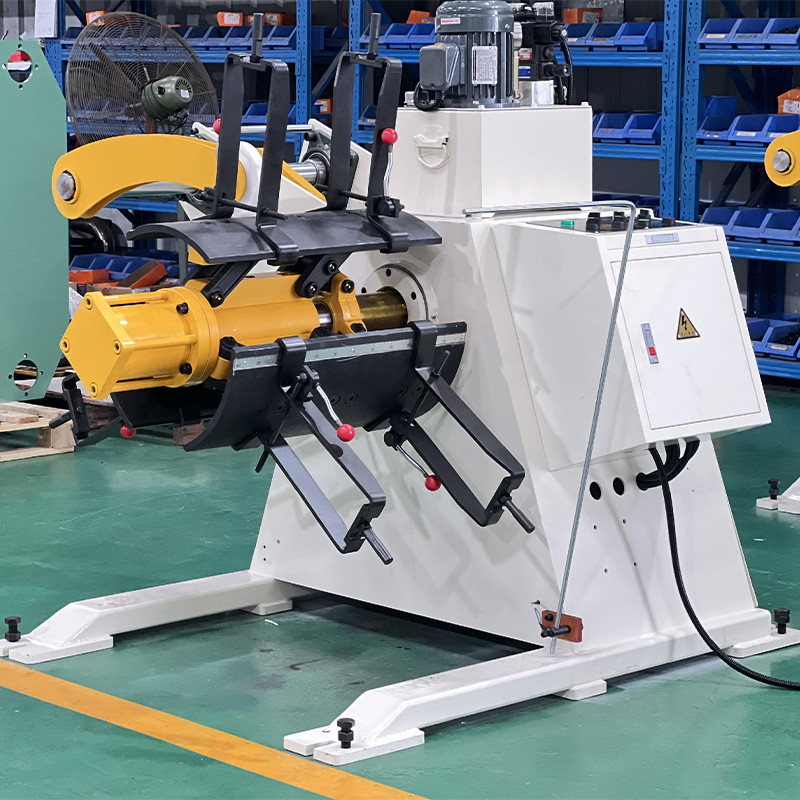
When your decoiler machine starts causing production problems — uneven feeding, material scratches, excessive vibration, or unexpected line stops — the issue is often something simple that can be fixed without a service call. This troubleshooting guide covers the most common decoiler problems, their root causes, and practical solutions you can implement today.
Common Decoiler Problems and Solutions
| Problem | Likely Cause | Solution |
|---|---|---|
| Strip deviation / wandering | Centerline misalignment or loose side guides | Realign decoiler with feeder; adjust side guides to coil width |
| Coil overrun when stopping | Brake worn or incorrectly adjusted | Inspect brake pads; adjust or replace; check pneumatic pressure |
| Vibration during rotation | Machine not level or bearing wear | Recheck level; lubricate or replace bearings |
| Motor overheating | Overloaded or incorrect voltage | Confirm coil weight within rating; check voltage and phase balance |
| Material scratching | Burns on mandrel or guide surfaces | File smooth sharp edges; add protective strips to contact surfaces |
| Uneven unwinding speed | Loop sensor misaligned or faulty | Clean sensor lens; check sensor bracket alignment; test with multimeter |
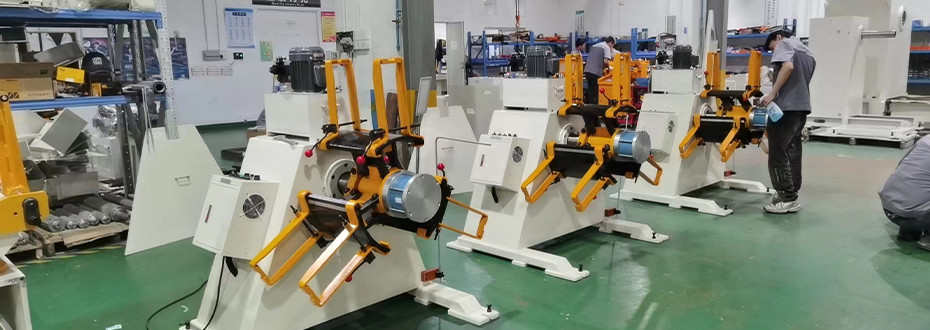
Preventive Maintenance Schedule
Preventing problems before they occur is always more cost-effective than emergency repairs. Follow this schedule to maximize your decoiler's service life:
| Frequency | Task | Affects |
|---|---|---|
| Daily | Inspect mandrel surface for wear; clean bearing areas; check lubrication | All types |
| Weekly | Lubricate mandrel sliding surfaces; check belt tension; inspect brake pads | Motorized, Hydraulic |
| Monthly | Check bearing condition; inspect all electrical connections; test loop sensor | All types |
| Quarterly | Replace hydraulic filter; check oil quality and level; inspect all hoses | Hydraulic only |
| Annually | Full mechanical inspection; motor service; replace worn bearings | All types |
Quick Diagnostic Guide
When a problem occurs, use this decision tree to quickly identify the likely cause:
- Is the strip moving sideways? → Check centerline alignment and side guide adjustment
- Is the coil overrunning when stopped? → Inspect brake system (pads, air pressure, adjustment)
- Is there unusual vibration or noise? → Check machine level, bearing condition, and mandrel wear
- Is the motor getting hot? → Verify load is within rating, check voltage supply, inspect cooling fan
- Is material being scratched? → Inspect mandrel surface, side guides, and strip path for sharp edges
- Is feed length inconsistent? → Check loop sensor alignment and material tension between decoiler and feeder
When to Call a Professional
While many decoiler problems can be solved in-house, certain situations require manufacturer support:
- Hydraulic cylinder leakage requiring seal replacement
- Servo drive or PLC fault codes you cannot diagnose
- Structural damage from coil impact or overloading
- Recurring problem that returns after standard fixes
FANTY provides remote diagnostic support for all decoiler machines — our engineers can access your control system remotely to identify issues without an on-site visit, reducing downtime by up to 60%.
FAQ
How often should I lubricate my decoiler?
Bearing points should be lubricated weekly. Mandrel sliding surfaces every 2-3 days in continuous operation. FANTY provides a lubrication chart with every machine.
What is the most common cause of decoiler bearing failure?
Inadequate lubrication. A simple weekly grease schedule prevents 90% of premature bearing failures. The second most common cause is overloading beyond rated coil weight capacity.
Can I run my decoiler at higher speed than rated?
Exceeding the rated speed increases bearing wear, vibration, and safety risk. Always operate within the manufacturer's specifications. If you need higher speed, discuss upgrade options with FANTY.
How do I know when decoiler brake pads need replacement?
Signs: coil continues rotating after the feeder stops, squealing noise during braking, or visible wear below 3 mm pad thickness. FANTY recommends inspection every 3 months.
Related reading
- how much coil weight a decoiler handles
- how much floor space a coil line needs
- how to specify a decoiler for a coil line
Part of the the coil line guide library — the full library of coil handling, straightening and feeding guides from FANTY.
Having decoiler problems you cannot solve? Contact FANTY Machinery's support team for remote diagnostics and expert troubleshooting assistance.