How to Maintain a Decoiler Machine for Maximum Efficiency and Longer Service Life?
- Share
- Issue Time
- May 15,2026
Summary
Learn how to maintain a decoiler machine properly with expert maintenance tips, daily inspections, lubrication methods, hydraulic system care, and troubleshooting advice from FANTY.
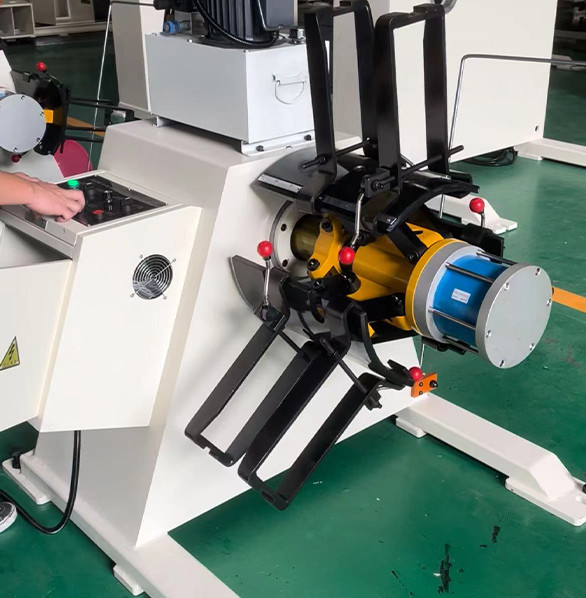
In modern metal processing industries, the decoiler machine plays a critical role in maintaining stable and continuous production. Whether used in automotive stamping, roll forming, HVAC manufacturing, appliance production, or steel fabrication, a reliable decoiler system directly affects production efficiency, feeding accuracy, and overall factory performance.
However, many manufacturers focus heavily on machine purchasing while overlooking one of the most important long-term factors:
“How should a decoiler machine be maintained properly?”
Without proper maintenance, even high-quality decoiler systems may eventually suffer from:
- * Unexpected downtime
- * Feeding instability
- * Hydraulic failures
- * Premature component wear
- * Production interruptions
- * Higher repair costs
- * Reduced machine lifespan
On the other hand, a well-maintained decoiler machine can operate reliably for many years while maintaining stable feeding accuracy and reducing long-term operational costs.
In this complete maintenance guide, we will explain:
- * Why decoiler maintenance is important
- * Daily, weekly, and monthly maintenance procedures
- * Hydraulic system maintenance tips
- * Lubrication best practices
- * Common decoiler problems and solutions
- * Preventive maintenance strategies
- * How automatic decoilers reduce maintenance risks
- * Why manufacturers worldwide trust FANTY
Why Is Decoiler Machine Maintenance So Important?
A decoiler machine operates continuously under heavy industrial conditions. During production, the machine handles:
- * Heavy steel coils
- * Rotating mechanical systems
- * Hydraulic pressure systems
- * Servo synchronization components
- * Electrical control systems
Over time, normal operation naturally creates:
- * Mechanical wear
- * Lubrication degradation
- * Hydraulic contamination
- * Bearing fatigue
- * Electrical aging
Without proper maintenance, these small issues can eventually lead to serious equipment failure.
Routine maintenance helps manufacturers:
- * Reduce downtime
- * Improve feeding accuracy
- * Extend machine lifespan
- * Improve production stability
- * Reduce repair expenses
- * Enhance workplace safety
At FANTY, long-term reliability is a major priority in decoiler system design. Our engineering team emphasizes both equipment performance and maintainability to help customers maximize ROI.
Daily Decoiler Machine Maintenance Checklist
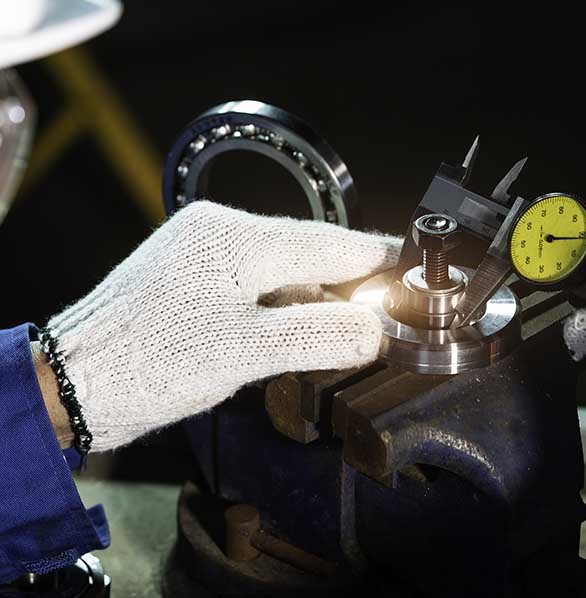
Daily inspections are the foundation of effective preventive maintenance.
Operators should inspect the machine before every production shift.
| Inspection Item | What to Check | Purpose |
|---|---|---|
| Hydraulic System | Leaks, pressure stability, hose condition | Prevent hydraulic failure |
| Mandrel | Expansion stability and wear | Ensure secure coil holding |
| Brake System | Tension control performance | Maintain feeding stability |
| Electrical System | Loose wiring or abnormal alarms | Prevent electrical failures |
| Safety Devices | Emergency stop and guards | Improve workplace safety |
Even simple daily inspections can significantly reduce long-term maintenance costs.
Weekly Maintenance Procedures
Weekly maintenance focuses more on lubrication, cleaning, and operational stability.
1. Lubricate Moving Components
Proper lubrication reduces friction and prevents premature wear.
Key lubrication points include:
- * Bearings
- * Gear systems
- * Rotating shafts
- * Mandrel mechanisms
- * Transmission components
Always use manufacturer-recommended lubricants to avoid compatibility issues.
2. Clean the Machine Thoroughly
Dust, metal particles, and oil contamination may accumulate during production.
Regular cleaning helps:
- * Prevent overheating
- * Improve machine visibility
- * Reduce contamination risks
- * Protect electrical systems
3. Inspect Hydraulic Oil Levels
Hydraulic systems require stable oil levels and clean hydraulic fluid.
Low oil levels may cause:
- * Pressure instability
- * Slow machine response
- * Hydraulic overheating
- * Seal damage
Monthly Preventive Maintenance Procedures
Monthly maintenance focuses on deeper inspections and performance optimization.
| Maintenance Area | Recommended Action | Benefit |
|---|---|---|
| Hydraulic Oil | Check contamination and replace if needed | Improve hydraulic stability |
| Electrical Cabinet | Inspect connections and cooling fans | Prevent electrical overheating |
| Brake System | Check tension control accuracy | Maintain stable feeding |
| Servo System | Inspect synchronization performance | Improve feeding precision |
| Fasteners | Tighten bolts and structural parts | Reduce vibration problems |
How to Maintain the Hydraulic System of a Decoiler Machine
The hydraulic system is one of the most important parts of modern automatic decoiler machines.
Hydraulic systems control:
- * Mandrel expansion
- * Pressing arms
- * Loading cars
- * Coil positioning systems
Proper hydraulic maintenance is critical for machine reliability.
Hydraulic Maintenance Best Practices
- * Replace hydraulic oil regularly
- * Inspect hoses for leakage
- * Monitor oil temperature
- * Keep hydraulic filters clean
- * Avoid hydraulic contamination
- * Check pressure stability frequently
Contaminated hydraulic oil is one of the most common causes of hydraulic failure.
At FANTY, industrial-grade hydraulic systems are designed for stable long-term operation under demanding manufacturing conditions.
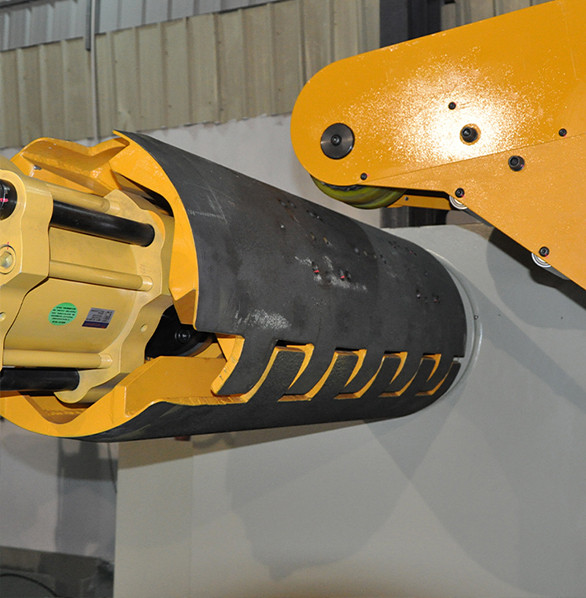
Common Decoiler Machine Problems and Maintenance Solutions
Even high-quality machines may occasionally experience operational issues.
| Problem | Possible Cause | Solution |
|---|---|---|
| Feeding Instability | Brake or servo synchronization issue | Inspect control system and tension settings |
| Hydraulic Leakage | Damaged seals or hoses | Replace damaged hydraulic parts |
| Abnormal Noise | Bearing wear or poor lubrication | Lubricate or replace bearings |
| Mandrel Slippage | Insufficient expansion pressure | Check hydraulic pressure system |
| Servo Alarm | Electrical or synchronization issue | Inspect PLC and servo drive system |
How Preventive Maintenance Improves Production Efficiency
Preventive maintenance is far more cost-effective than emergency repair.
Factories that implement regular maintenance programs typically achieve:
- * Lower downtime rates
- * More stable feeding accuracy
- * Reduced repair costs
- * Longer machine lifespan
- * Higher production consistency
- * Improved workplace safety
In highly competitive industries, production stability directly affects profitability.
That is why leading manufacturers invest heavily in preventive maintenance systems.
How Automatic Decoiler Machines Reduce Maintenance Risks
Modern automatic decoiler systems are designed to reduce maintenance-related problems through advanced automation technologies.
Key automation features include:
- * PLC intelligent monitoring
- * Automatic overload protection
- * Servo synchronization control
- * Hydraulic pressure monitoring
- * Fault diagnostics systems
- * Emergency protection systems
These technologies help operators identify issues early before major failures occur.
FANTY automatic decoiler systems are engineered for both high performance and simplified maintenance management.
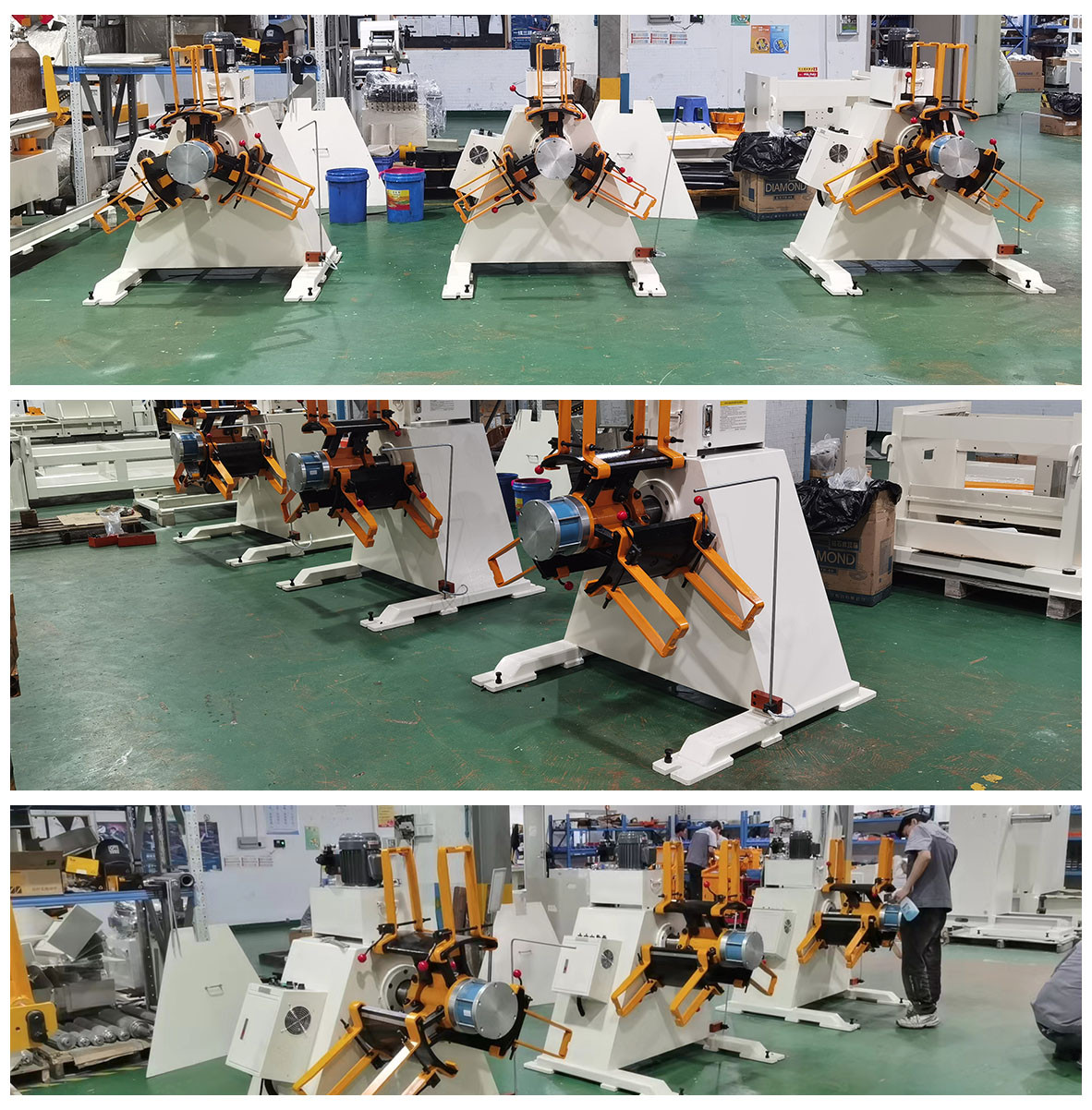
Why Manufacturers Worldwide Choose FANTY
FANTY is a professional manufacturer specializing in:
- * Automatic decoiler machines
- * Hydraulic decoilers
- * Servo feeder systems
- * Coil straightening machines
- * Stamping automation solutions
- * Customized coil handling systems
Unlike suppliers focused only on pricing, FANTY emphasizes:
- * Long-term reliability
- * Stable feeding performance
- * Industrial automation engineering
- * Maintenance-friendly machine design
- * Global technical support
Our engineering team works closely with customers to optimize:
- * Production efficiency
- * Machine stability
- * Maintenance scheduling
- * Automation integration
- * Long-term operational ROI
Learn more about FANTY here:
About FANTY – Professional Decoiler Machine Manufacturer
Frequently Asked Questions (FAQ)
How often should a decoiler machine be maintained?
* Daily inspections are recommended, while lubrication and deeper preventive maintenance should follow weekly and monthly schedules.
What is the most important part of decoiler maintenance?
* Hydraulic system maintenance and lubrication are among the most critical factors for long-term reliability.
Why does a decoiler machine produce abnormal noise?
* Abnormal noise may result from bearing wear, poor lubrication, loose components, or transmission problems.
Can preventive maintenance reduce downtime?
* Yes. Preventive maintenance helps identify potential problems early before major failures occur.
Does FANTY provide technical support for maintenance?
* Yes. FANTY provides professional technical consultation, maintenance guidance, and customized automation support for global customers.
Final Thoughts
Proper decoiler machine maintenance is essential for maintaining production efficiency, reducing downtime, improving feeding stability, and extending equipment lifespan.
In today’s highly competitive manufacturing environment, preventive maintenance is no longer optional—it is a critical part of long-term operational success.
By implementing daily inspections, scheduled lubrication, hydraulic system monitoring, and preventive maintenance strategies, manufacturers can significantly improve production reliability and reduce long-term operating costs.
FANTY provides professional automatic decoiler solutions designed for industrial automation, maintenance efficiency, and long-term manufacturing reliability.
Need help choosing a reliable and easy-to-maintain decoiler system for your production line?
Contact FANTY here today for professional consultation and customized coil handling automation solutions tailored to your manufacturing requirements.
Fanty · Coil Handling Equipment
Match a Decoiler to Your Coil, Not the Other Way Around
Send your coil inner diameter, outer diameter, weight and line speed. Our engineers reply with the mandrel size, motor power and expansion range that actually suits your coil — no guesswork, no overselling.
Get a Free QuoteFANTY Machinery · 13 years on stamping automation · 2,000+ coil lines installed · engineers reply within 24 hours