How to Select a Reliable Servo Feeder Supplier?
- Share
- publisher
- David Park - Senior Stamping Engineer, FANTY Machinery
- Issue Time
- Aug 4,2026
Summary
A practical checklist for choosing a servo feeder supplier: verify factory capability, accuracy specs, certifications, service network, and real installation records before you order.
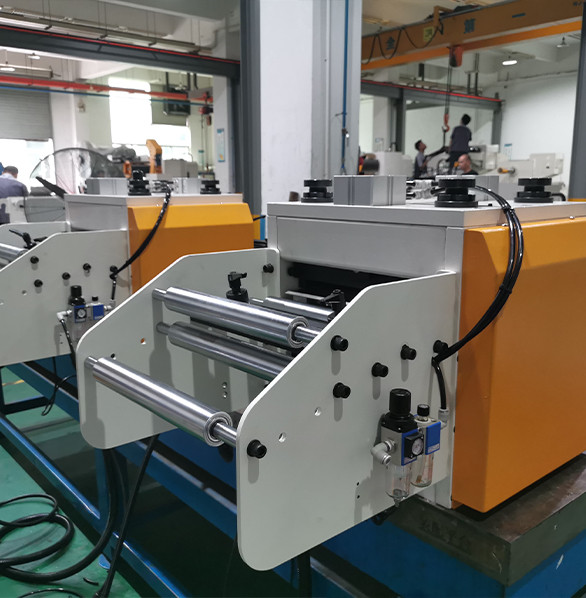
Choosing the right servo feeder supplier is one of the most important purchasing decisions you will make when building or upgrading a metal stamping line. The feeder is the heart of the press feed system: it determines feeding accuracy, production speed, material utilization, and ultimately your per-part cost.
A mediocre supplier can turn a promising line into a constant source of downtime, while a reliable servo feeder supplier delivers consistent precision for years.
This guide walks you through exactly what to check before you sign a purchase order, from factory audits and technical specifications to after-sales service and real installation records, so you can select a partner rather than just a vendor.
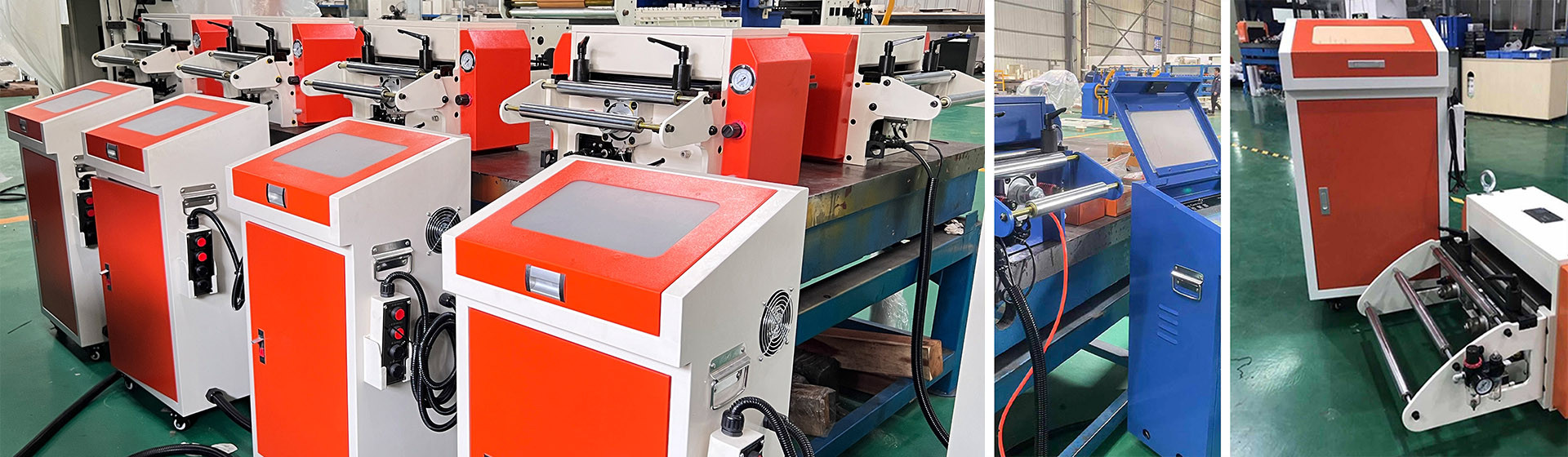
Why the Supplier Matters More Than the Machine
Many buyers compare servo feeder quotes purely on price, then discover six months later that the difference between a great line and a painful line is not the metal frame of the feeder but everything around it: engineering support, application knowledge, spare parts availability, and honest specification sheets.
Think about the long-term ownership cost rather than the purchase price. A feeder that feeds inaccurately wastes material on every stroke, and over a year of two-shift operation the accumulated scrap can cost far more than the price difference between two competing quotes.
According to industry estimates, material accounts for 60 to 70 percent of the total cost of a stamped part. A 0.1 mm improvement in feeding accuracy can translate into a meaningful reduction in scrap and a corresponding increase in profit margin.
This is why experienced buyers evaluate a servo feeder supplier on four pillars: technical capability, manufacturing quality, service network, and financial stability.
FANTY Machinery, a China-based manufacturer with 12 years of experience in coil processing equipment, has supplied more than 200 complete coil feeding lines to stamping plants in over 60 countries.
Its 45,000 m² factory employs 370 people, including more than 80 R&D engineers, and every servo feeder leaves the plant CE certified.
The company is a good benchmark to keep in mind as you evaluate other suppliers: ask each candidate how many servo feeders they produce per month, where their R&D team sits, and whether they hold independent certifications such as CE, ISO 9001, or ISO 14001.
The Supplier Evaluation Checklist
Before you shortlist any servo feeder supplier, prepare a structured checklist and score each candidate consistently. The table below summarizes the key criteria that separate a dependable partner from a risky one. Use it as your evaluation scorecard, and ask the supplier to document every claim in writing.
| Evaluation Criterion | What to Check | Red Flags |
|---|---|---|
| Manufacturing capability | Factory size, production volume, in-house machining and assembly | Outsourced assembly, no factory visit allowed |
| R&D and engineering | Number of engineers, custom die/machine design capability | No engineering team, only resells others' machines |
| Certifications | CE, ISO 9001, ISO 14001, UL or other market-specific marks | Vague claims, no documents, "certification coming soon" |
| Application experience | Similar projects, number of installed lines, customer references | No references, refuses to share case studies |
| Feeding accuracy spec | Published accuracy such as ±0.05 mm, repeatability data | No accuracy spec or wildly optimistic numbers |
| Spare parts policy | Parts availability, lead time, local warehouse or agent | Six-month lead times, proprietary unobtainable parts |
| After-sales service | Response time, on-site engineers, remote diagnostics, warranty terms | No service commitment, warranty only on paper |
| Payment and terms | Deposit ratio, delivery schedule, liquidated damages clause | 100% prepayment, vague delivery dates |
Do not be afraid to ask tough questions during the evaluation. A reputable servo feeder supplier will welcome your factory audit and will gladly walk you through their quality-control procedures.
Ask specifically about the servo motor brand they use, the controller platform, the encoder resolution, and the straightener roll material. These details tell you a lot about the real quality level of the machine, far more than glossy brochures.
Six Qualities Every Reliable Servo Feeder Supplier Should Have
After evaluating dozens of suppliers over the years, buyers tend to find that the best partners share the same six qualities. Keep this list in mind as you compare quotes:
- Transparent specifications
The supplier publishes realistic accuracy, speed, and load data backed by test reports, not marketing numbers.
- In-house manufacturing
Critical components such as feed rolls, straightener frames, and control cabinets are produced in their own factory with proper QC.
- Application engineering
They can calculate your required feeding length, speed, and tonnage and propose the right model rather than the most expensive one.
- Local service presence
An agent or service engineer in your region means faster response, easier spare parts, and simpler communication.
- Proven track record
Ask for customer names, installation photos, and performance data from lines similar to yours, and verify them independently.
- Genuine warranty support
A clear, written warranty covering the servo motor, reducer, and control system, with defined response times.
One effective technique is to ask every shortlisted servo feeder supplier the same three questions: What feeding accuracy can you guarantee in production, not in a demo? What is your spare parts lead time for the servo motor and encoder? And can you provide three customer references running a line similar to mine?
The confidence and detail of the answers will quickly separate the experienced manufacturers from the middlemen.
How Real Performance Data Reveals a Good Supplier
Specifications are only meaningful when they are honest. A servo feeder supplier that claims feeding accuracy of ±0.05 mm must be able to explain how that figure is measured, at what feeding length, and at what speed.
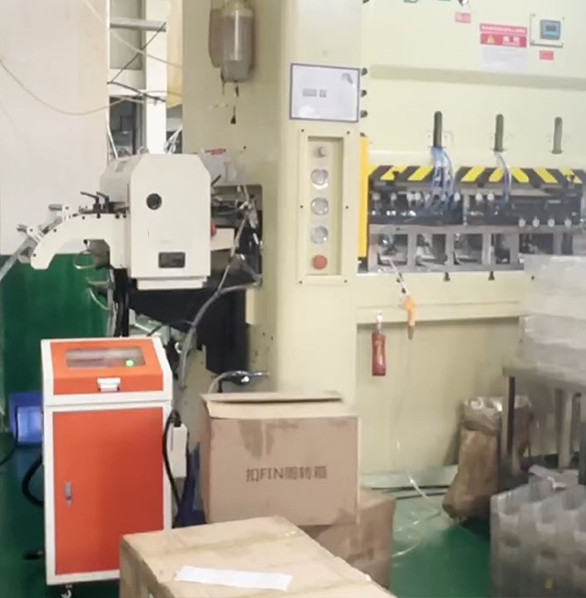
Consider visiting the supplier's factory before ordering. A visit tells you immediately whether the company is a genuine manufacturer: you can see the machining centers, the assembly line, the test bench where each servo feeder is run-in before shipping, and the warehouse of spare parts.
FANTY, for example, runs every NC servo feeder through a full no-load and loaded test cycle before dispatch, and customers are welcome to witness the test run. This kind of transparency is a strong signal of confidence in product quality.
Finally, remember that the lowest quote is rarely the cheapest solution. Factor in delivery reliability, installation support, operator training, and the cost of downtime if the feeder fails.
A servo feeder supplier that charges slightly more but guarantees fast local support, real spare parts availability, and proven accuracy will almost always deliver a lower total cost of ownership over five years. Buy the capability, not just the steel.
Servo Feeder Supplier FAQ
How do I verify that a servo feeder supplier is a real manufacturer and not a trading company?
Request a factory visit or a live video audit, check their business license and export records, and ask for installation photos of complete lines with press models and customer names. Real manufacturers can usually arrange a video walk-through of their assembly and test area within days.
What feeding accuracy should a good servo feeder achieve?
For most medium-size stamping applications, a modern NC servo feeder should hold ±0.05 mm feeding accuracy under production conditions. Anything below ±0.1 mm for standard lines, or unverifiable claims, should be treated with caution. Ask how accuracy is measured and at which speed and feeding length.
Should I choose a local agent or buy directly from the factory?
Both can work well. A local agent offers faster service and spare parts, while direct factory purchase often gives better pricing and direct engineering access. Many buyers combine both: purchase from the factory and arrange local service support through the agent.
What warranty terms should I negotiate with a servo feeder supplier?
Typical industry practice is 12 to 24 months from commissioning, covering the servo motor, reducer, controller, and mechanical parts. Negotiate a defined response time for remote diagnostics and a clear process for replacement of defective parts, including who pays for shipping.
How long does it take to receive a custom servo feeder line?
Standard models typically ship in 30 to 45 days, while fully customized lines with special widths, thick material capability, or integrated straighteners can take 60 to 90 days. Confirm the delivery schedule and any penalties for delay in writing before you sign.
Related reading
- how much floor space a coil line needs
- how to select the right model
- what each specification line really costs
Part of the the coil line guide library — the full library of coil handling, straightening and feeding guides from FANTY.
Planning a new stamping line or upgrading an existing one? Get a tailored servo feeder quotation from FANTY's application engineers with feeding accuracy, speed, and budget recommendations based on your actual dies and material.
Get My Free Quotation Now →Fanty · NC Straightener Feeder
Pitch, Pass Line and Roll Pressure, Sorted Before You Order
Tell us your press stroke rate and feed length. Our engineers match servo feed power, straightener roll geometry and loop control to your actual cycle time.
Get a Free QuoteFANTY Machinery · 13 years on stamping automation · 2,000+ coil lines installed · engineers reply within 24 hours