What Decoiler Safety Guidelines Should Every Operator Know Before Using a Decoiler Machine?
- Share
- Issue Time
- May 13,2026
Summary
Learn essential decoiler safety guidelines every operator must know. Discover best practices for safe coil handling, hydraulic decoiler operation and workplace safety.
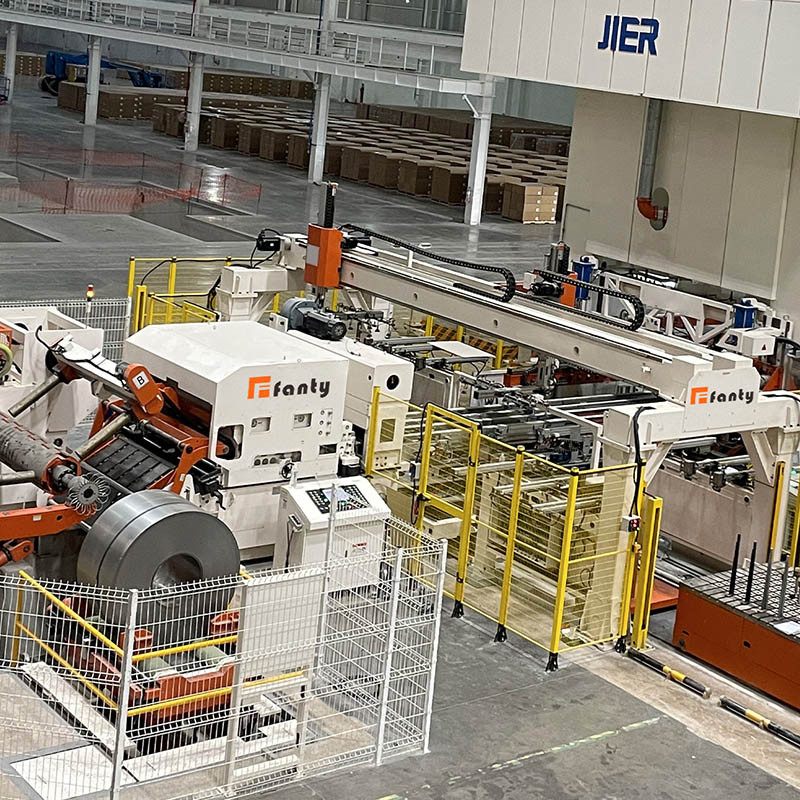
In modern industrial manufacturing, the decoiler machine is one of the most important pieces of equipment used in coil-fed production lines. From automotive stamping factories to roll forming workshops, decoiler systems help manufacturers achieve efficient, continuous, and automated material feeding.
However, while decoiler machines improve productivity and automation, they also involve handling extremely heavy steel coils, rotating machinery, hydraulic systems, and high-speed feeding equipment. Without proper safety procedures, operators face serious risks including material recoil, coil collapse, crushing injuries, feeding accidents, and equipment damage.
That is why manufacturers worldwide are increasingly asking:
The answer is critical not only for worker safety but also for:
- Production efficiency
- Machine lifespan
- Material protection
- Factory compliance standards
- Reduced downtime
- Long-term operational reliability
In this comprehensive guide, we will explain:
- Why decoiler safety matters
- The biggest hazards in decoiler operations
- Essential operator safety guidelines
- Hydraulic decoiler safety procedures
- Personal protective equipment requirements
- Common safety mistakes to avoid
- How automatic decoiler systems improve workplace safety
- Why manufacturers trust FANTY for reliable decoiler solutions
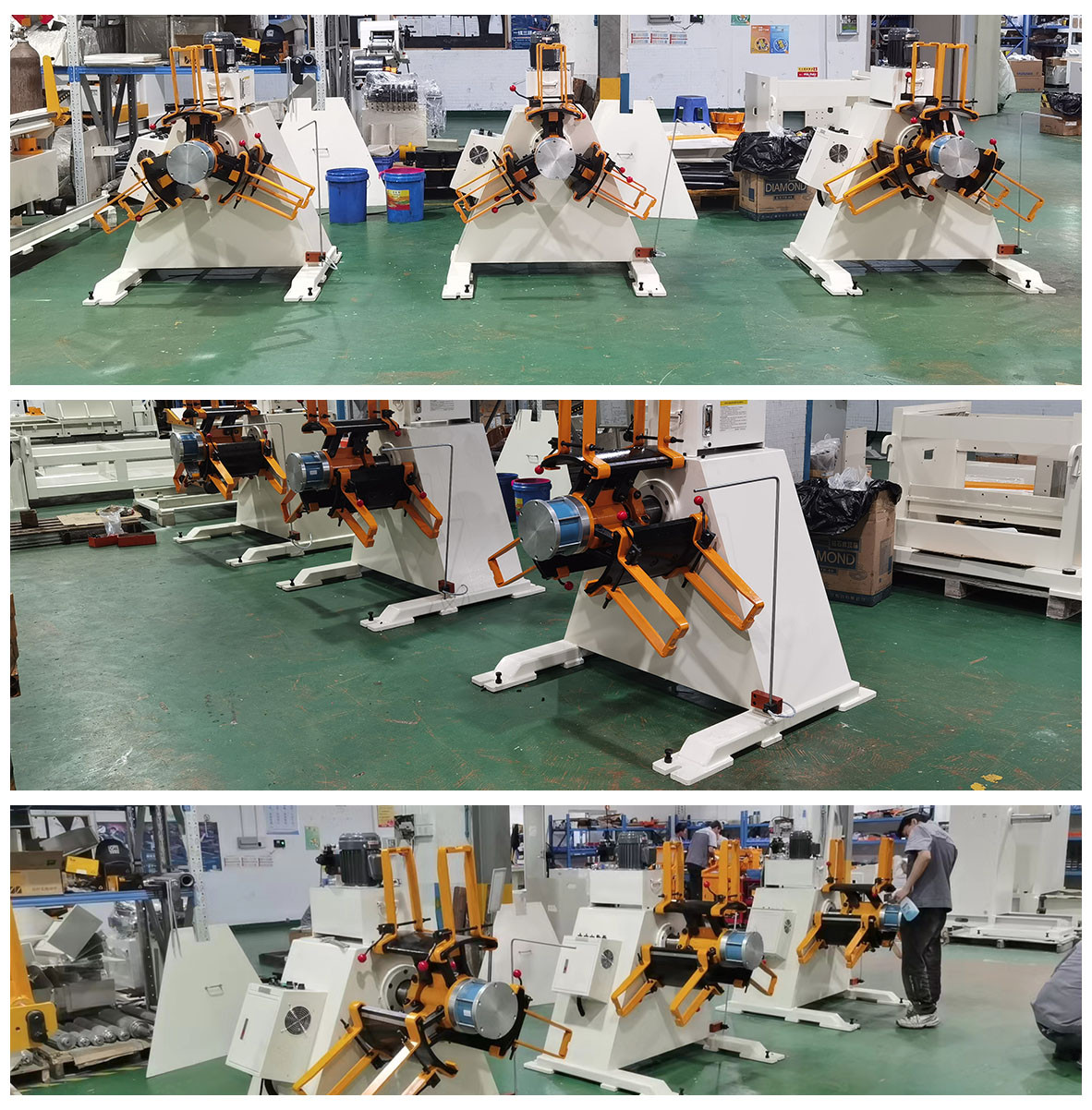
Why Is Decoiler Machine Safety So Important?
Decoiler machines handle heavy metal coils that may weigh hundreds or even thousands of kilograms. During operation, the machine continuously rotates, unwinds, and feeds material into downstream equipment.
If safety procedures are ignored, operators may face severe workplace accidents.
Common risks include:
- * Steel coil collapse
- * Coil rebound injuries
- * Crushing accidents
- * Entanglement with moving parts
- * Hydraulic system failures
- * Material feeding instability
- * Unexpected machine startup
Modern factories increasingly prioritize safety because workplace accidents can result in:
- * Production downtime
- * Equipment damage
- * Worker injuries
- * Financial losses
- * Legal liabilities
- * Reduced factory efficiency
At FANTY, safety engineering is considered a core part of decoiler system design, especially for high-speed automated production environments.
What Are the Biggest Hazards in Decoiler Machine Operation?
Before discussing safety guidelines, operators must understand the most common risks associated with decoiler machines.
1. Heavy Coil Handling Risks
Steel coils are extremely heavy and difficult to control manually.
Improper loading or unstable positioning may cause:
- * Coil tipping
- * Sudden rolling
- * Crushing injuries
- * Material impact accidents
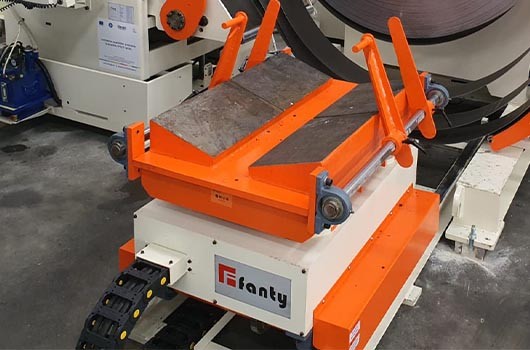
Heavy-duty hydraulic decoilers reduce these risks by using automatic loading systems and secure mandrel expansion mechanisms.
2. Coil Recoil Hazards
Steel coils naturally store tension energy.
If the coil is released improperly during loading or feeding, the material may suddenly recoil or spring outward.
This is one of the most dangerous accidents in coil handling operations.
Proper coil securing and tension control are essential for preventing recoil incidents.
3. Rotating Machinery Risks
During operation, decoiler machines continuously rotate the steel coil.
Loose clothing, gloves, or body parts can become trapped in moving machinery if operators stand too close to rotating components.
Modern safety standards require:
- * Protective guarding systems
- * Emergency stop buttons
- * Operator safety zones
- * Machine safety interlocks
4. Hydraulic System Hazards
Hydraulic decoilers operate under high pressure.
Improper maintenance or damaged hydraulic lines may result in:
- * Hydraulic leaks
- * Pressure failure
- * Unexpected movement
- * Machine instability
Routine inspection is essential for maintaining safe operation.
Essential Decoiler Safety Guidelines Every Operator Must Know
Below are the most important safety practices every decoiler operator should follow.
1. Always Wear Proper Personal Protective Equipment (PPE)
Operators should always wear appropriate PPE before operating a decoiler machine.
Recommended safety equipment includes:
- * Safety helmets
- * Protective gloves
- * Steel-toe safety shoes
- * Eye protection
- * Hearing protection
- * Protective work clothing
Loose clothing or jewelry should never be worn near rotating machinery.
2. Inspect the Machine Before Operation
Before starting the decoiler system, operators should perform a complete visual inspection.
Inspection items include:
- * Hydraulic hoses
- * Electrical wiring
- * Mandrel condition
- * Emergency stop systems
- * Safety guards
- * Brake systems
- * Coil positioning devices
Any abnormalities should be reported immediately before machine operation begins.
3. Secure the Steel Coil Properly
Improperly secured coils are one of the leading causes of decoiler accidents.
Operators must ensure:
- * The coil is centered correctly
- * The mandrel expands securely
- * Pressing arms function properly
- * The coil remains stable during rotation
Automatic hydraulic expansion systems greatly improve coil stability and operational safety.
FANTY hydraulic decoilers are designed with high-strength mandrel systems to improve secure coil positioning during heavy-duty production.
4. Never Stand Directly in Front of the Coil
Operators should never stand directly in front of a steel coil during loading or feeding operations.
If coil recoil occurs unexpectedly, severe injuries may result.
Safe positioning and proper operator training are essential.
5. Keep Hands Away from Moving Parts
Operators should never place hands near:
- * Rotating mandrels
- * Feed rollers
- * Servo feeding systems
- * Moving coil edges
- * Mechanical transmission systems
Many industrial accidents occur because operators attempt manual adjustments while the machine is running.
Machines should always be stopped completely before performing adjustments or maintenance.
6. Use Emergency Stop Systems Correctly
Every operator should know the location of emergency stop buttons before operating the machine.
Emergency stop systems should be tested regularly to ensure proper functionality.
Modern automatic decoiler systems often include:
- * Emergency stop circuits
- * Automatic overload protection
- * Sensor monitoring systems
- * PLC safety interlocks
7. Follow Proper Lockout/Tagout Procedures
Before maintenance or repair work begins, machines must be completely isolated from power sources.
Lockout/tagout procedures help prevent:
- * Unexpected startup
- vElectrical accidents
- * Hydraulic pressure release injuries
- * Mechanical movement hazards
This is one of the most important industrial safety standards in modern factories.
8. Maintain Proper Workplace Organization
A clean and organized working area improves both safety and efficiency.
Operators should ensure:
- * No loose materials around the machine
- * Walkways remain clear
- * Oil spills are cleaned immediately
- * Tools are stored properly
- * Lighting conditions are adequate
Good workplace organization helps reduce slip, trip, and fall accidents.
How Automatic Decoiler Machines Improve Workplace Safety
Compared with manual coil handling systems, automatic decoilers significantly improve workplace safety.
Modern automatic systems reduce operator exposure to dangerous operations through:
- * Hydraulic coil loading systems
- * Automatic tension control
- * Servo synchronization
- * Safety guarding systems
- * PLC intelligent monitoring
- * Remote operation capabilities
Automation minimizes direct human interaction with heavy steel coils and moving equipment.
At FANTY, advanced safety engineering is integrated into every automatic decoiler solution to help factories reduce workplace risks while improving production efficiency.
Common Decoiler Safety Mistakes to Avoid
Even experienced operators sometimes develop unsafe habits.
Common mistakes include:
- * Ignoring routine inspections
- * Overloading the machine
- * Bypassing safety systems
- * Operating without PPE
- * Performing maintenance while equipment is running
- * Standing too close to moving coils
- * Ignoring hydraulic leaks
Factories should provide continuous operator training and safety awareness programs.
Why Manufacturers Worldwide Choose FANTY
FANTY is a professional manufacturer specializing in:
- * Automatic decoiler machines
- * Hydraulic decoilers
- * Servo feeder systems
- * Coil straightening machines
- * Stamping automation solutions
- * Customized coil handling systems
Unlike suppliers focused only on low pricing, FANTY emphasizes:
- * Long-term machine reliability
- * Industrial safety engineering
- * Stable automation performance
- * Customized production solutions
- * Global technical support
Our engineering team helps customers optimize:
- * Production efficiency
- * Machine safety
- * Material handling stability
- * Automation integration
- * Future factory expansion planning
This engineering-first philosophy helps customers achieve better long-term operational reliability and ROI.
Learn more about FANTY here:
About FANTY – Professional Decoiler Machine Manufacturer
Frequently Asked Questions (FAQ)
Why is decoiler safety important?
Decoiler machines handle heavy steel coils and rotating equipment, which can create serious safety risks without proper procedures.
What PPE should decoiler operators wear?
Operators should wear safety helmets, gloves, steel-toe shoes, eye protection, hearing protection, and protective work clothing.
How can automatic decoilers improve safety?
Automatic systems reduce manual handling, improve tension control, and minimize operator exposure to dangerous machine movements.
What is the biggest risk when handling steel coils?
Coil recoil and unstable coil movement are among the most dangerous hazards during decoiler operation.
Does FANTY provide safe automatic decoiler systems?
Yes. FANTY designs automatic decoiler systems with advanced safety engineering, hydraulic stability, and intelligent automation features.
Final Thoughts
Decoiler machine safety is not optional—it is essential for protecting workers, maintaining production stability, and ensuring long-term manufacturing efficiency.
As factories continue moving toward automation and Industry 4.0 manufacturing, modern automatic decoiler systems provide significant safety advantages compared with traditional manual coil handling methods.
By following proper safety guidelines, conducting regular inspections, and investing in reliable automated equipment, manufacturers can reduce workplace risks while improving operational performance.
FANTY provides professional automatic decoiler solutions designed for industrial safety, intelligent automation, and long-term reliability.
Need help choosing a safer and more efficient decoiler system for your factory?
Contact FANTY here today for professional consultation and customized coil handling automation solutions tailored to your production requirements.