Why Is Your Decoiler Machine Failing? Common Decoiler Problems and How to Fix Them
- Share
- Issue Time
- May 14,2026
Summary
Learn the most common decoiler machine problems in 2026 and how to fix them quickly. Discover troubleshooting tips, maintenance advice, and expert solutions from FANTY to reduce downtime.
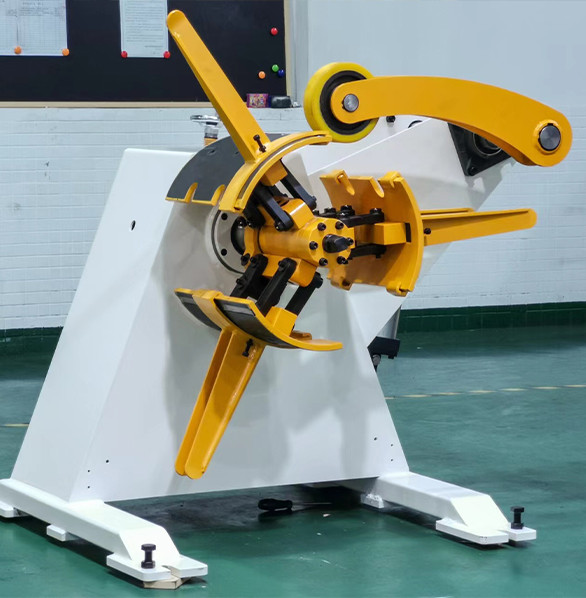
In modern metal processing industries, a decoiler machine is one of the most critical pieces of equipment in any automated production line. Whether you are operating a stamping factory, roll forming production line, or steel coil feeding system, even a small decoiler issue can cause major downtime, material waste, production delays, and expensive maintenance costs.
Many factory managers only focus on production output when purchasing equipment. However, experienced manufacturers understand that long-term machine stability and troubleshooting capability are equally important.
One unexpected decoiler failure can stop an entire production line.
So the real question becomes:
“What are the most common decoiler machine problems, and how can you fix them quickly?”
In this complete troubleshooting guide, we will explore:
- * The most common decoiler machine problems
- * What causes these issues
- * How to troubleshoot and repair them
- * How to prevent future failures
- * Maintenance best practices
- * Why choosing the right supplier matters
- * How FANTY helps manufacturers reduce downtime
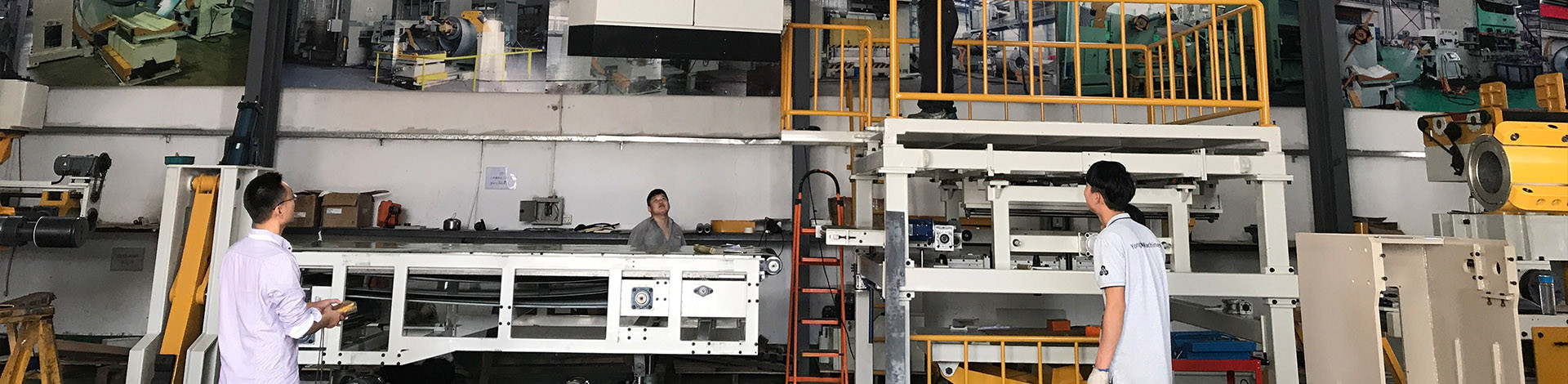
Why Decoiler Machine Problems Are So Expensive
Many manufacturers underestimate the true cost of decoiler machine downtime.
When a decoiler fails, the consequences extend far beyond the machine itself:
- * Production line shutdown
- * Delayed deliveries
- * Increased labor costs
- * Material waste
- * Poor stamping accuracy
- * Safety risks
- * Equipment damage
In high-speed automated factories, a single feeding issue can interrupt the entire production process.
That is why preventive maintenance and proper troubleshooting knowledge are essential for every production manager.
Common Decoiler Problems and How to Fix Them
1. Coil Slippage During Feeding
One of the most common decoiler machine problems is coil slippage. This happens when the steel coil rotates unevenly or loses grip during feeding.
Common Causes:
- * Insufficient mandrel expansion
- * Worn expansion jaws
- * Hydraulic pressure instability
- * Incorrect coil inner diameter
- * Overloaded coil weight
How to Fix It:
- * Check hydraulic pressure levels
- * Inspect expansion blocks for wear
- * Confirm coil specifications match machine capacity
- * Adjust mandrel expansion force
- * Replace damaged gripping components
At FANTY, hydraulic expansion systems are engineered for stable coil gripping, especially for heavy-duty steel coil applications.
2. Decoiler Feeding Is Not Smooth
Uneven feeding is another extremely common issue in coil processing lines.
This often causes:
- * Stamping inaccuracies
- * Material scratches
- * Servo feeder errors
- * Production instability
Possible Causes:
- * Improper tension settings
- * Misaligned straightener
- * Damaged rollers
- * Sensor malfunction
- * Poor synchronization with feeder system
Solutions:
- * Recalibrate feeding tension
- * Inspect leveling rollers
- * Replace damaged bearings
- * Check PLC control settings
- * Verify servo synchronization
Experienced manufacturers understand that smooth feeding depends on the coordination of the entire coil feeding line—not just the decoiler itself.
3. Hydraulic System Leakage
Hydraulic oil leakage is a serious problem because it affects machine performance, workplace safety, and long-term operating costs.
Common Leakage Areas:
- * Hydraulic cylinders
- * Oil seals
- * Pipe joints
- * Hydraulic valves
- * Oil hoses
Why It Happens:
- * Aging seals
- * Low-quality hydraulic components
- * Excessive operating pressure
- * Improper installation
- * Poor maintenance practices
How to Fix Hydraulic Leakage:
- * Replace damaged seals immediately
- * Use high-quality hydraulic oil
- * Inspect hoses regularly
- * Avoid overloading the machine
- * Perform preventive maintenance inspections
FANTY hydraulic decoiler systems use industrial-grade hydraulic components designed for long-term stability and reduced leakage risk.
4. Decoiler Motor Overheating
Motor overheating is especially common in older or overloaded decoiler systems.
Typical Causes:
- * Continuous overload operation
- * Insufficient ventilation
- * Voltage instability
- * Motor bearing wear
- * Poor lubrication
How to Solve It:
- * Reduce operating load
- * Inspect electrical systems
- * Clean ventilation areas
- * Replace worn bearings
- * Perform scheduled lubrication
Modern servo-driven decoiler systems are generally more energy-efficient and produce less heat compared to older motor systems.
5. Material Scratching During Feeding
Material surface scratching is a major concern for industries requiring high-quality finishes such as:
- * Automotive panels
- * Stainless steel products
- * Home appliances
- * Decorative metal manufacturing
Common Causes:
- * Dirty rollers
- * Worn guide wheels
- * Improper alignment
- * Sharp machine edges
- * Incorrect feeding angle
Solutions:
- * Regularly clean rollers
- * Polish sharp edges
- * Adjust feeding alignment
- * Replace worn guide components
- * Use protective surface treatment systems
High-end decoiler feeding systems from FANTY are designed to minimize material damage during high-speed feeding.
6. Coil Loosening or Coil Collapse
Heavy steel coils can become unstable if the decoiler tension control system is not properly configured.
This can create dangerous safety hazards.
Common Reasons:
- * Weak braking system
- * Poor tension control
- * Improper coil loading
- * Excessive feeding speed
Fixing Methods:
- * Adjust braking force
- * Inspect tension arm system
- * Train operators correctly
- * Use automatic pressing arms
For heavy coil applications, FANTY often recommends hydraulic pressing arm systems to improve operational safety.
Preventive Maintenance Tips for Decoiler Machines
Preventive maintenance is the best way to reduce unexpected machine failures.
Professional manufacturers understand that regular maintenance costs far less than emergency downtime.
Daily Maintenance Checklist
- * Check hydraulic oil levels
- * Inspect rollers for damage
- * Clean metal dust and debris
- * Inspect electrical connections
- * Test emergency stop functions
Weekly Maintenance Checklist
- * Lubricate bearings
- * Inspect chain tension
- * Check brake systems
- * Inspect hydraulic hoses
- * Test sensor calibration
Monthly Maintenance Checklist
- * Replace hydraulic filters
- * Inspect motor performance
- * Verify PLC settings
- * Inspect structural welds
- * Perform full alignment inspection
Why Machine Quality Matters More Than Initial Price
Some buyers choose the cheapest decoiler supplier available online. Unfortunately, low-cost machines often lead to:
- * Frequent breakdowns
- * Hydraulic leakage
- * Poor feeding accuracy
- * Low durability
- * Short motor lifespan
- * Higher maintenance costs
In contrast, professional manufacturers focus on long-term reliability.
At FANTY, our engineering team prioritizes:
- * Structural stability
- * Heavy-duty frame design
- * Reliable hydraulic systems
- * Stable servo synchronization
- * Industrial-grade electrical components
- * Customized automation solutions
This reduces downtime and improves long-term production efficiency for our global customers.
Learn more about FANTY here:
About FANTY – Professional Decoiler and Coil Feeding System Manufacturer
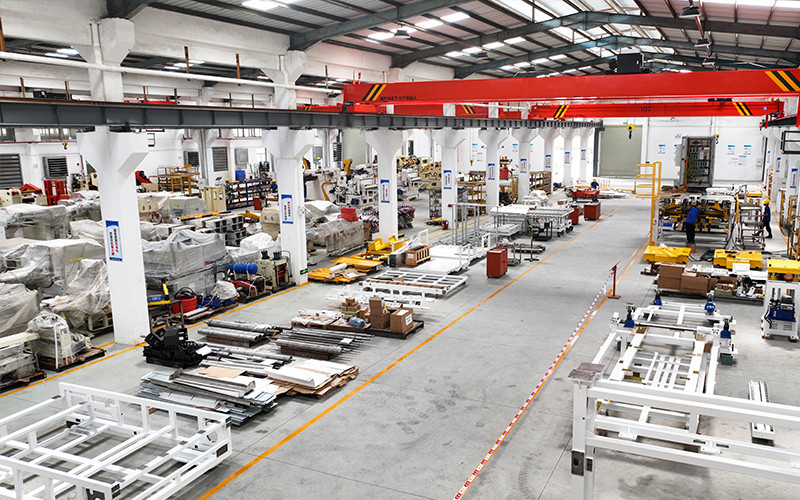
How FANTY Helps Customers Reduce Decoiler Problems
FANTY is more than just an equipment supplier.
We help customers optimize their entire coil handling process.
Our solutions include:
- * Customized decoiler systems
- * Servo feeder integration
- * Heavy-duty hydraulic decoilers
- * Compact production line layouts
- * Automation upgrades
- * Technical training support
- * Remote troubleshooting assistance
Before production begins, FANTY engineers analyze:
- * Coil specifications
- * Material thickness
- * Production speed
- * Stamping requirements
- * Factory layout
- * Future expansion plans
This engineering-first approach helps customers avoid many common decoiler problems before they happen.
Frequently Asked Questions (FAQ)
What is the most common decoiler machine problem?
Uneven feeding and coil slippage are among the most common decoiler issues in industrial production lines.
How often should a decoiler machine be maintained?
Basic inspections should be performed daily, while full preventive maintenance is recommended monthly.
Why does my decoiler machine leak hydraulic oil?
Hydraulic leakage is usually caused by aging seals, damaged hoses, or excessive operating pressure.
How can I improve feeding accuracy?
Proper alignment, stable tension control, and synchronized servo feeding systems greatly improve feeding accuracy.
Does FANTY provide customized decoiler solutions?
Yes. FANTY specializes in customized decoiler feeding systems for different industries and production requirements.
Final Thoughts
A decoiler machine is the starting point of every coil processing line. When it operates smoothly, production efficiency improves dramatically. But when problems occur, downtime can become extremely expensive.
Understanding common decoiler machine problems and learning how to fix them quickly can help manufacturers:
- * Reduce downtime
- * Improve feeding stability
- * Protect product quality
- * Extend equipment lifespan
- * Lower maintenance costs
Most importantly, choosing a reliable equipment manufacturer can prevent many of these issues from happening in the first place.
FANTY provides professional decoiler systems designed for long-term industrial reliability, precision feeding, and intelligent automation.
Need help solving your decoiler machine problems?
Contact FANTY here today for professional technical support and customized coil handling solutions tailored to your factory.